

1. Summary
In the heart of Australia’s booming construction sector, hot-mix asphalt (HMA) plants play a pivotal role in building roads, highways, and infrastructure from the dusty outback to bustling urban centers like Sydney and Melbourne. But with great production comes significant environmental responsibility—particularly in managing volatile organic compounds (VOCs) and odorous emissions from asphalt mixing processes. At Ever-Power (Australia) Co., Ltd., we specialize in advanced Regenerative Thermal Oxidizers (RTOs) tailored for asphalt producers, helping them comply with stringent regulations while boosting operational efficiency.
This article dives into how RTOs are transforming waste gas treatment in Australian asphalt plants. We’ll explore key applications, regulatory landscapes across Australia and beyond, emerging trends, and why our customized solutions stand out. Whether you’re a plant manager in Queensland facing high humidity challenges or an engineer in Western Australia dealing with silica-laden dust, understanding RTO technology can future-proof your operations. For more on our classic rotary valve RTO, check out our product page.
2. Understanding Asphalt Mixing Plants and Their Emission Challenges
Hot-mix asphalt concrete stirring stations—commonly known as asphalt plants—blend aggregates, bitumen, and fillers at high temperatures (around 150-180°C) to produce road-ready asphalt. In Australia, these plants are essential for projects like the Bruce Highway upgrades in Queensland or the Great Northern Highway in the Northern Territory. However, the heating and mixing processes release VOCs from bitumen vapors, along with particulate matter, odors, and sometimes hazardous air pollutants (HAPs) like polycyclic aromatic hydrocarbons (PAHs).
Typical emissions include low to medium concentrations of VOCs (0.5-5 g/Nm³), high dust loads from aggregates (especially in silica-rich quarries in South Australia), and variable airflow rates (10,000-50,000 m³/h per plant). Without proper control, these can lead to community complaints, health risks, and regulatory fines. RTOs address this by oxidizing VOCs at 760-850°C with destruction efficiencies exceeding 98%, converting them into harmless CO₂ and water vapor. Our systems also incorporate pre-filters to handle dust, ensuring longevity in harsh Aussie conditions.
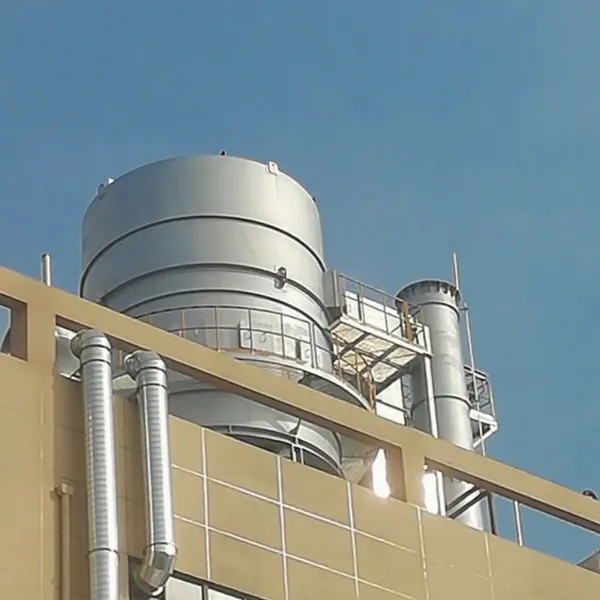

3. How RTOs Work in Asphalt Mixing Stations: Key Technical Insights
RTOs use ceramic media beds to recover up to 95% of heat from exhaust gases, making them energy-efficient for asphalt plants where fuel costs can eat into margins. In a typical setup, waste gases from dryers, mixers, and storage silos enter the RTO, get preheated, and combust in a chamber with residence times of 0.5-2 seconds. This process destroys VOCs while minimizing natural gas use—often achieving self-sustaining operation once VOC concentrations hit 1-2 g/Nm³.
In Australian contexts, we adapt RTOs for local challenges: high ambient temperatures in the Northern Territory demand robust cooling systems, while coastal plants in New South Wales face corrosion from salt-laden air. Our rotary valve designs reduce pressure drops to under 200 Pa, ensuring smooth integration with existing ventilation. Plus, we offer modular units for easy transport to remote sites like those in the Pilbara region.


4. Global and Local Regulations Driving RTO Adoption in Asphalt Industries
4.1 Australian Regulations
In Australia, the National Environment Protection (Ambient Air Quality) Measure (NEPM) sets standards for VOCs and particulates, enforced by state agencies. For instance, the New South Wales Environment Protection Authority (EPA) under the Protection of the Environment Operations Act 1997 requires asphalt plants to limit VOC emissions to below 20 mg/m³ and odors to non-detectable levels beyond site boundaries. Plants in Sydney must submit annual emissions inventories, often mandating RTOs or equivalent for new facilities. Similarly, Victoria’s Department of Energy, Environment and Climate Action (DEECA) enforces the Environment Protection Act 2017, with stack limits on PAHs and requiring best available techniques (BAT) like RTOs for plants exceeding 100 tons/day production.
Queensland’s Environmental Protection Regulation 2019 targets bitumen fumes, with RTOs recommended for plants near sensitive receptors like schools in Brisbane. Western Australia’s Environmental Protection Act 1986 addresses dust in mining-adjacent asphalt operations, often pairing RTOs with baghouses.
4.2 Neighboring Countries’ Regulations
Neighboring New Zealand, under the Resource Management Act 1991 and National Environmental Standards for Air Quality (NES), caps VOCs at 50 mg/m³ for asphalt plants, with regional councils like Auckland requiring RTOs for odor control in urban areas.
In Indonesia—a key Pacific neighbor—the Ministry of Environment and Forestry’s Regulation No. P.5/2021 sets VOC limits at 75 mg/m³, pushing asphalt producers in Java to adopt RTOs amid rapid infrastructure growth. Papua New Guinea’s Environment Act 2000 mirrors Australian standards, focusing on HAPs from bitumen.
4.3 Top Global Asphalt-Producing Nations’ Regulations
Beyond neighbors, leading asphalt nations enforce similar rules. In the United States (world’s top producer), the EPA’s New Source Performance Standards (NSPS) under 40 CFR Part 60 Subpart I limit VOCs to 0.02 lb/ton of asphalt, mandating RTOs or flares for plants in non-attainment areas like California.
China, the second-largest, enforces GB 16297-1996, capping VOCs at 120 mg/m³, with provinces like Guangdong requiring RTOs for new plants. India’s Central Pollution Control Board (CPCB) under the Air (Prevention and Control of Pollution) Act 1981 sets limits at 150 mg/m³, favoring RTOs in urban Delhi.
In Germany (EU leader), the TA Luft 2021 demands 99% VOC destruction, making RTOs standard under the Federal Immission Control Act. Brazil’s CONAMA Resolution 430/2011 limits odors and VOCs, with RTOs common in São Paulo’s industrial zones. Japan’s Air Pollution Control Act caps VOCs at 50 mg/m³, enforcing RTOs in Tokyo plants.
Russia’s Federal Law No. 7-FZ requires BAT like RTOs for asphalt emissions. Saudi Arabia’s PME standards limit HAPs, aligning with Vision 2030’s green push. South Korea’s Clean Air Conservation Act mandates 95% VOC reduction, often via RTOs.
These global benchmarks highlight why Australian plants increasingly adopt RTOs to stay competitive in exports to regulated markets like the EU.
5. Emerging Trends in RTO Technology for Asphalt Plants
The asphalt industry is evolving rapidly, driven by sustainability goals and tech innovations. One key trend is integrating RTOs with carbon capture and storage (CCS) systems, capturing up to 90% of CO₂ from exhaust stacks—vital for Australia’s net-zero 2050 target. For instance, plants in carbon-intensive states like New South Wales could offset emissions by retrofitting amine-based capture modules post-RTO.
Another innovation is hydrogen-fueled burners in RTOs, reducing fossil fuel dependency. In trials, hydrogen blends cut NOx by 50% while maintaining 95% heat recovery—ideal for remote Australian plants with access to green hydrogen from projects in Pilbara.
Pairing RTOs with zeolite wheel concentrators handles low-VOC streams efficiently, concentrating emissions 10-20 times before oxidation, slashing energy use by 30%. This is game-changing for variable-load asphalt plants in seasonal markets like Tasmania.
Sustainability-wise, our RTOs can reduce a plant’s carbon footprint by 20-40% through heat recovery for aggregate drying, as calculated via ISO 14064 methodologies. Finally, AI-driven predictive maintenance monitors ceramic beds in real-time, preventing downtime in high-dust environments like South Australian quarries.
6. Customized RTO Solutions from Ever-Power: Built for Australian Conditions
At Ever-Power, we don’t offer off-the-shelf units—we engineer RTOs specifically for asphalt mixing challenges. Ever-Power specializes in bespoke RTO solutions for the unique challenges of Australian asphalt producers—from high-silica dust in outback quarries to coastal humidity in Queensland plants. Our engineering team conducts on-site exhaust profiling to size pre-filters, select corrosion-resistant alloys, and optimize heat recovery based on your utility needs. With service hubs in Sydney and Perth, we offer rapid spare parts delivery, operator training in English, and 24/7 remote diagnostics. Unlike generic suppliers, we deliver full turnkey projects including civil works coordination, commissioning, and compliance documentation aligned with NSW EPA or VIC DELWP requirements. Every system is factory-tested before shipment to ensure seamless startup.
7. Related Solutions


8. FAQ:
Q1. What is the cost of installing an RTO system for a medium-sized asphalt mixing plant in Sydney, Australia?
A1. Installation costs for a 20,000-30,000 m³/h RTO in Sydney typically range from AUD 500,000 to 800,000, depending on custom features like dust pre-filters and heat recovery. Factors include site-specific compliance with NSW EPA standards and integration with existing dryers. Contact us for a free quote tailored to your plant’s VOC load.
Q2. How does an RTO help reduce VOC emissions in hot-mix asphalt plants in Queensland, and what’s the price range?
A2. RTOs oxidize VOCs from bitumen vapors at 98% efficiency, helping Queensland plants meet Environmental Protection Regulation limits. Prices start at AUD 400,000 for basic units, scaling up with add-ons like zeolite concentrators for low-concentration streams. We offer financing options for coastal humidity adaptations.
Q3. Where can I find a reliable RTO supplier for asphalt stirring stations in Western Australia with fast delivery?
A3. Ever-Power, with a Perth service hub, supplies RTOs for WA asphalt plants, ensuring delivery within 8-12 weeks. Our systems handle high-silica dust from Pilbara quarries, complying with the Environmental Protection Act. Request a supplier quote today for turnkey solutions.
Q4. Which RTO model is best for controlling odors in asphalt plants near Melbourne, Victoria, and how much does it cost?
A4. Our rotary valve RTO excels at 99% odor destruction for Victorian plants under DEECA regulations. Costs range from AUD 600,000-1,000,000, including commissioning and compliance docs. It’s ideal for urban sites to avoid community complaints.
Q5. When should I upgrade to an RTO for my asphalt mixing plant in Tasmania, and what’s the supplier installation timeline?
A5. Upgrade when facing EPA Tasmania audits or expanding production; RTOs ensure <20 mg/m³ VOCs. As a local supplier, we install in 4-6 weeks post-order, with full training. Get a timeline and quote for your seasonal operations.
Q6. How effective are RTOs for PAH control in asphalt plants in South Australia, and where to get a competitive quote?
A6. RTOs achieve 95-99% PAH reduction, aligning with SA EPA’s Environment Protection (Air Quality) Policy. As an Adelaide-based supplier, we provide quotes within 48 hours, starting at AUD 450,000 for dust-resistant models.
Q7. What maintenance costs can I expect for an RTO in a remote Northern Territory asphalt plant?
A7. Annual maintenance for NT plants averages AUD 20,000-30,000, covering ceramic inspections and valve servicing. Our remote diagnostics minimize downtime in outback locations. Request a cost breakdown from our Darwin support team.
Q8. Which features make RTOs suitable for high-humidity asphalt plants in Brisbane, and how to get a supplier price?
A8. Corrosion-resistant alloys and dehumidifiers ensure reliability in Brisbane’s climate, per QLD regulations. Supplier prices from AUD 550,000; we customize for your site. Fill out our form for an instant quote.
Q9. How do RTOs integrate with existing systems in Perth asphalt plants, and what’s the turnkey project cost?
A9. Seamless integration via modular designs for Perth plants under WA’s Act. Turnkey costs: AUD 700,000-900,000, including civil works. As a local supplier, we handle everything from profiling to startup.
Q10. Where to buy an energy-efficient RTO for asphalt mixing in Adelaide with compliance guarantees?
A10. Buy from Ever-Power for 95% heat recovery models compliant with SA standards. Prices from AUD 500,000; we guarantee emissions testing. Contact our Adelaide hub for a purchase quote today.
Editor: PXY