

Processable Gases---Haps
About us
Noxs
Odor
Haps
PM 2.5
Wam
Acidic Gas
Achieving 99.5% DRE Through Advanced Design
%
Achieve a HAPS removal rate of 99.5%.
HAPS
HAPs stands for Hazardous Air Pollutants, a group of chemicals that can significantly harm human health and the environment. These gases, also known as air toxics, are a class of pollutants that pose a higher risk due to their toxicity, carcinogenic potential, or ability to cause other long-term health effects.
HAPs are typically emitted as byproducts of industrial processes, transportation, agriculture, and even household products. Some of the most common hazardous air pollutants include benzene, formaldehyde, and mercury, among others. These pollutants are classified by agencies like the Environmental Protection Agency (EPA) based on their potential to cause severe health issues, such as cancer, neurological disorders, respiratory diseases, and reproductive health problems.
The Dangers of HAPs Gas
The presence of HAPs in the air can be incredibly harmful to both individuals and entire ecosystems. When people are exposed to these pollutants over prolonged periods, they are at higher risk of serious health conditions, such as:
-
Cancer: Many HAPs are known or suspected carcinogens, which can increase the risk of developing cancer over time.
-
Respiratory Problems: HAPs can irritate the respiratory system, causing issues like asthma, bronchitis, and chronic obstructive pulmonary disease (COPD).
-
Neurological Effects: Some HAPs, like mercury and lead, can severely affect the nervous system, leading to developmental and cognitive issues, especially in children.
-
Reproductive and Developmental Harm: Exposure to certain HAPs can disrupt the endocrine system, leading to birth defects, fertility issues, and other reproductive health problems.
-
Environmental Impact: Besides harming human health, HAPs can also lead to long-term damage to ecosystems, including soil and water contamination, and biodiversity loss.
Sources of HAPs Gas
- Industrial Processes: Manufacturing plants, refineries, and power plants release a significant amount of HAPs into the atmosphere, especially during the processing of chemicals, fuels, or metals. Examples include benzene from chemical plants, formaldehyde from plywood production, and mercury from coal-fired power plants.
- Transportation: Vehicles, especially those powered by gasoline or diesel engines, release a range of HAPs, including carbon monoxide, benzene, and nitrogen oxides, which are harmful when inhaled.
- Agriculture: Pesticides, fertilizers, and other chemicals used in agriculture can contribute to HAP emissions. The handling of these chemicals often releases toxic gases into the air.
- Household Products: Common products used at home, such as paints, cleaning agents, air fresheners, and even some cooking processes, release various HAPs. Formaldehyde, for instance, is found in building materials and furniture.
- Natural Sources: Although the majority of HAPs come from human activity, certain natural sources, like wildfires, volcanic eruptions, and even certain plant emissions, can also contribute to the levels of these pollutants in the air.
منتجات
Products Categories

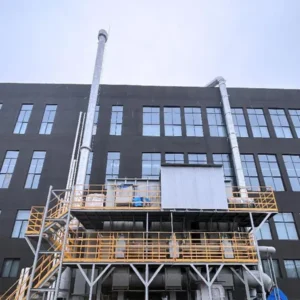
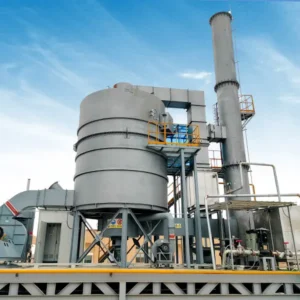
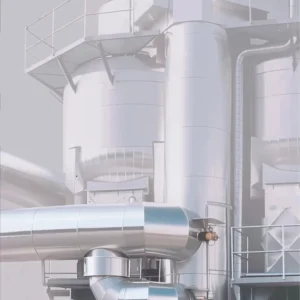
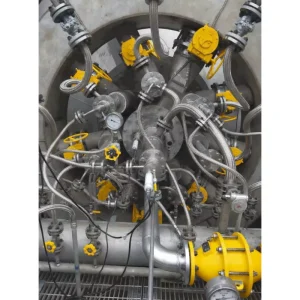
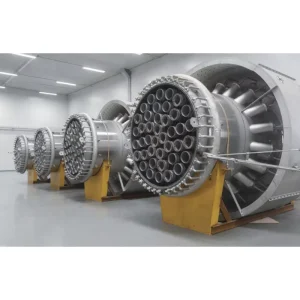
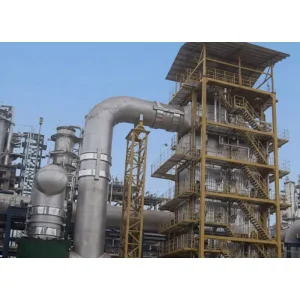
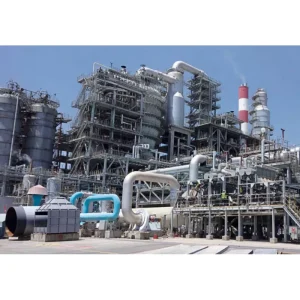
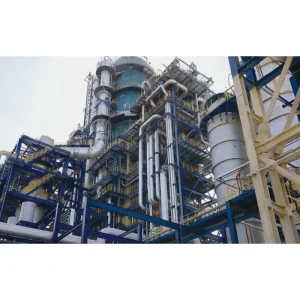
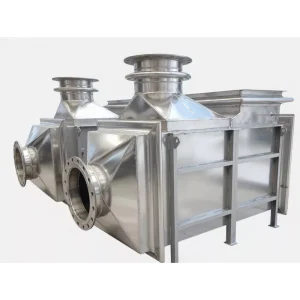

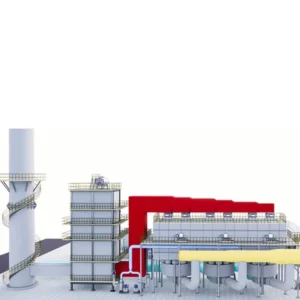
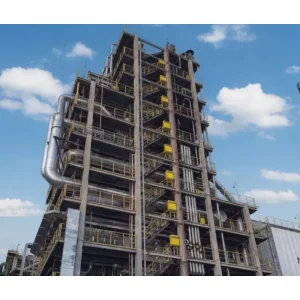
Products Details
| Performance | 2-bed RTO | 3-bed RTO | Rotary Valve RTO | Notes |
|---|---|---|---|---|
| Technicality | First generation | Second generation | Third generation | |
| Number of chambers | 2 | 3 | 12 | Rotary valve operates continuously |
| Number of valves | 4 | 9 | / | |
| Reliability | Valve switching times per year: 350,000 | Valve switching times per year: 520,000 | / | |
| Piping pressure fluctuation | ±500pa | ±250pa | ±25pa | |
| Discharge compliance | Total purification efficiency: 95% | Total purification efficiency: 99% | Total purification efficiency: 99.5% | 99.5% |
| Maximum treating range | < 1g | < 5g | < 10g | 50mg/m³ discharge standard |
| Heat dissipation surface area | 100m² | 145m² | 95m² | |
| Energy saving | Thermal efficiency: 90% | Thermal efficiency: 95% | Thermal efficiency: 96% | 96% |
| Start-up heating time | 2.5h | 2.5h | 2h | Cold furnace start-up (Ethyl acetate) |
| Self-operation concentration | 2.5g/m³ | 2.2g/m³ | 1.8g/m³ | |
| Economy | Regenerative ceramic filling volume: 18m³ | Regenerative ceramic filling volume: 26m³ | Regenerative ceramic filling volume: 17m³ | 17m³ |
| Practicality | Occupation of land: L12×W7 | Occupation of land: L16×W7 | Occupation of land: L12×W7 | L12×W7 |
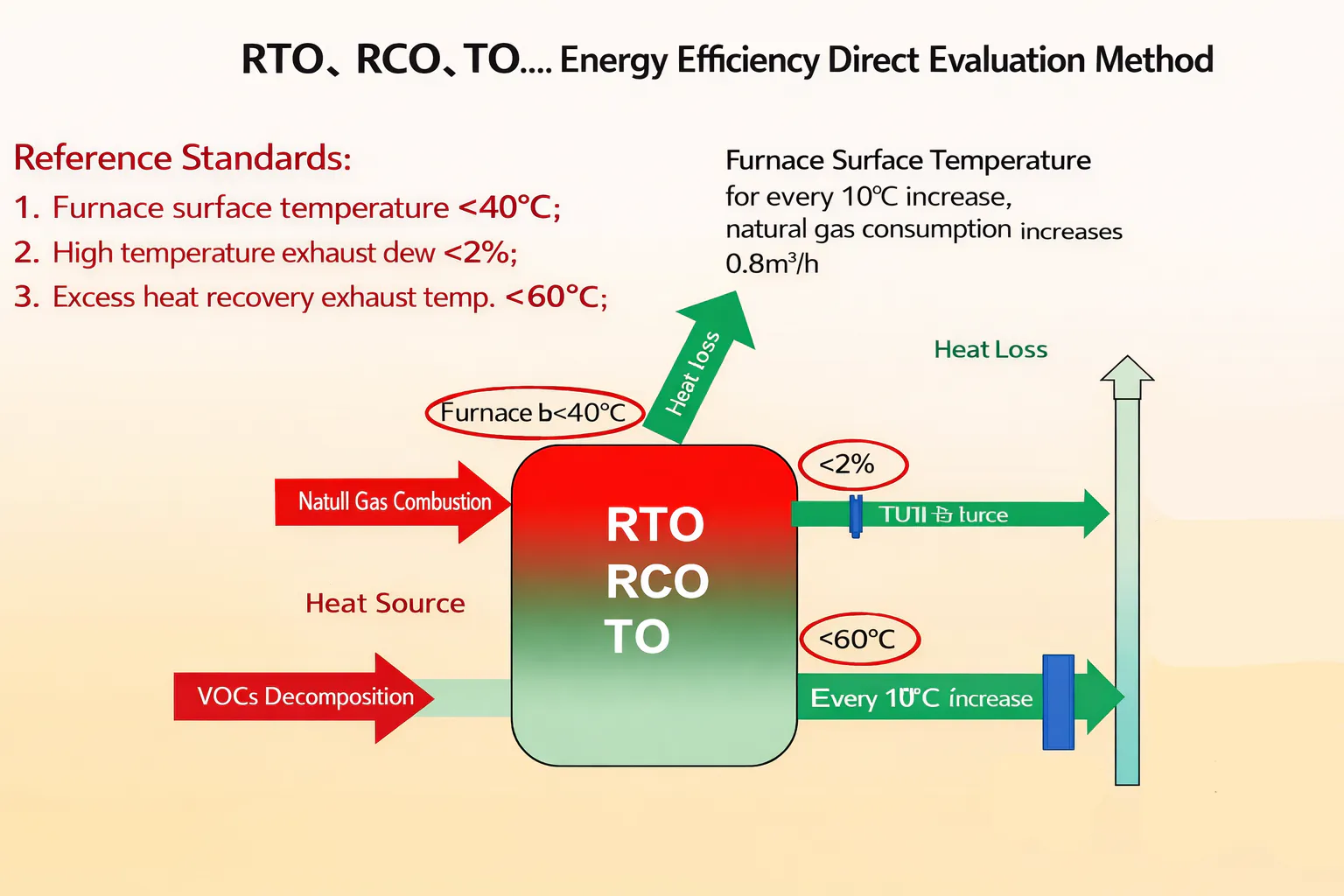
An Intuitive Method to Evaluate the Energy Efficiency of TO
Key Evaluation Criteria:
- External Surface Temperature of the Oxidizer < 40°C
For every 10°C increase in surface temperature, natural gas consumption rises by approximately 0.8 m³/h. Effective insulation and sealing are fundamental to energy savings. - High-Temperature Bypass Valve Leakage Rate < 2%
Each 1% increase in valve leakage results in an additional 0.54 m³/h of natural gas consumption, significantly reducing thermal efficiency. - Exhaust Gas Temperature Before Heat Recovery < 60°C
A 10°C rise in exhaust temperature increases natural gas usage by about 9.32 m³/h. High-efficiency heat recovery systems minimize flue gas losses and maximize energy reuse.
Energy Flow Overview:
- Primary Energy Source: Natural gas combustion provides the heat required for VOC destruction.
- Major Loss Pathways:
- Heat loss through oxidizer shell (must be minimized)
- Thermal leakage via faulty bypass valves
- Inadequate heat recovery from hot exhaust gases

The growth history of three generations of RTOs
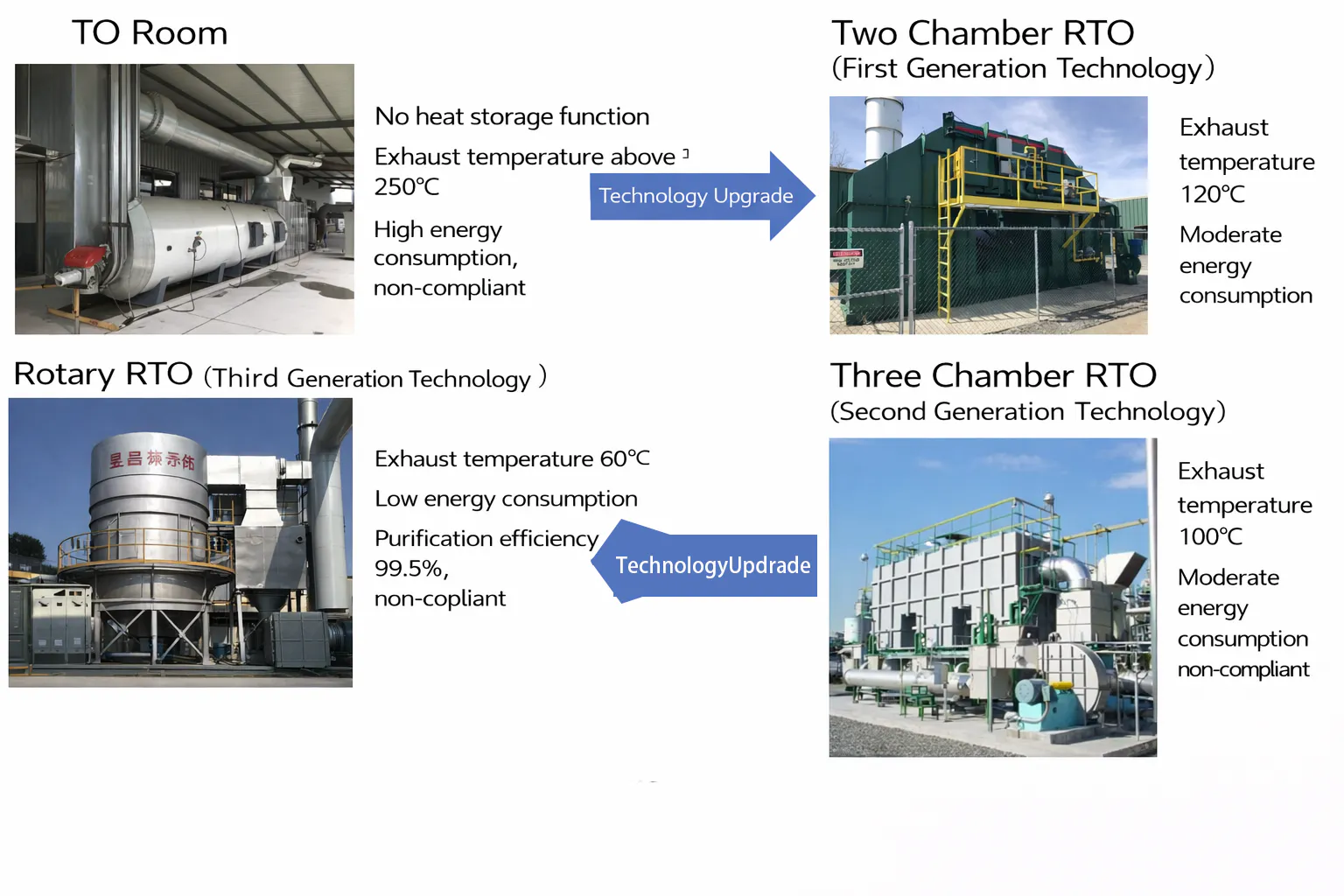
| RTO Type | Three-Bed RTO | Rotary RTO |
|---|---|---|
| Thermal Storage Media Utilization Rate | 2/3 | 5/6 |
| Volume | 130% | 65% |
| Overall Thermal Efficiency | 92% | 95% |
| Exhaust Gas Temperature | 100–150°C | 50–80°C |
| Piping Pressure Fluctuation | ±250 Pa | ±50 Pa |
Technical Specifications: HAPS-Control Series RTO
| Parameter / Feature | Specification Range | Engineering Relevance |
|---|---|---|
| HAPS Destruction Efficiency (DRE) | 99% – 99.5% | Critical for carcinogens (Benzene, Formaldehyde). |
| Valve Technology | Rotary Valve or 3-Bed Poppet with Purge | Eliminates “puff” emissions during cycling. |
| Combustion Temperature | 850°C – 1100°C | Higher temps required for stable halogenated compounds. |
| Residence Time | 1.0 – 2.0 Seconds | Ensures complete oxidation of complex molecules. |
| Halogen Acid Scrubber | Integrated Quench + Packed Tower | Optional module for neutralizing HCl/HF post-oxidation. |
| Chamber Material | SS316L, 2205 Duplex, Hastelloy C-276 | Resists acid dew-point corrosion. |
| Airflow Capacity | 5,000 to 100,000 Nm³/h | Scalable for boutique pharma to massive refineries. |
| Safety Systems | LEL Analyzers, Flame Arrestors, SIL-2 Controls | Compliant with NFPA 86 and AS 1375. |
Advantage
1. High Destruction Efficiency
2. Energy Efficiency
3. Cost-Effective Operation
4. Compliance with Environmental Regulations
5. Versatility in Handling a Wide Range of Pollutants
6. Minimal Downtime and High Reliability
7. Environmental and Public Health Benefits




Donate Our Programs
Our Blog
The Role of RTO in Architectural Aluminum Profiles and Steel Plate Coating
1. Ever Power RTO Technical Specifications Performance 2-bed RTO 3-bed RTO Rotary Valve RTO Notes Technicality First generation Second generation Third generation Number of chambers 2 3 12 Rotary valve operates continuously Number of valves 4 9 / Reliability Valve...
RTO Systems for Metal Can and Drum Internal and External Coating
1. Ever Power RTO Technical Specifications Performance 2-bed RTO 3-bed RTO Rotary Valve RTO Notes Technicality First generation Second generation Third generation Number of chambers 2 3 12 Rotary valve operates continuously Number of valves 4 9 / Reliability Valve...
RTO Systems for Automotive OEM Whole Vehicle Coating Lines
1. Key Technical Parameters of Our RTO Systems Performance Comparison Table of Different RTO Types Type 2-Chamber RTO 3-Chamber RTO Rotary Valve RTO Remarks Technology Generation 1st Generation 2nd Generation 3rd Generation Technological Advancement Features Added...