Processable Gases
—Noxs
Noxs
Odor
Haps
PM 2.5
Wam
Acidic Gas
How RTOs Work
RTO Working Principle
- Heat Recovery: Polluted air passes through hot ceramic media, preheating it.
- Oxidation: The preheated air enters a combustion chamber where a burner oxidizes VOCs (Volatile Organic Compounds) into CO2 and water vapor.
- Regeneration: The hot, clean air then passes through a second ceramic bed, transferring its heat before venting, and the cycle reverses.
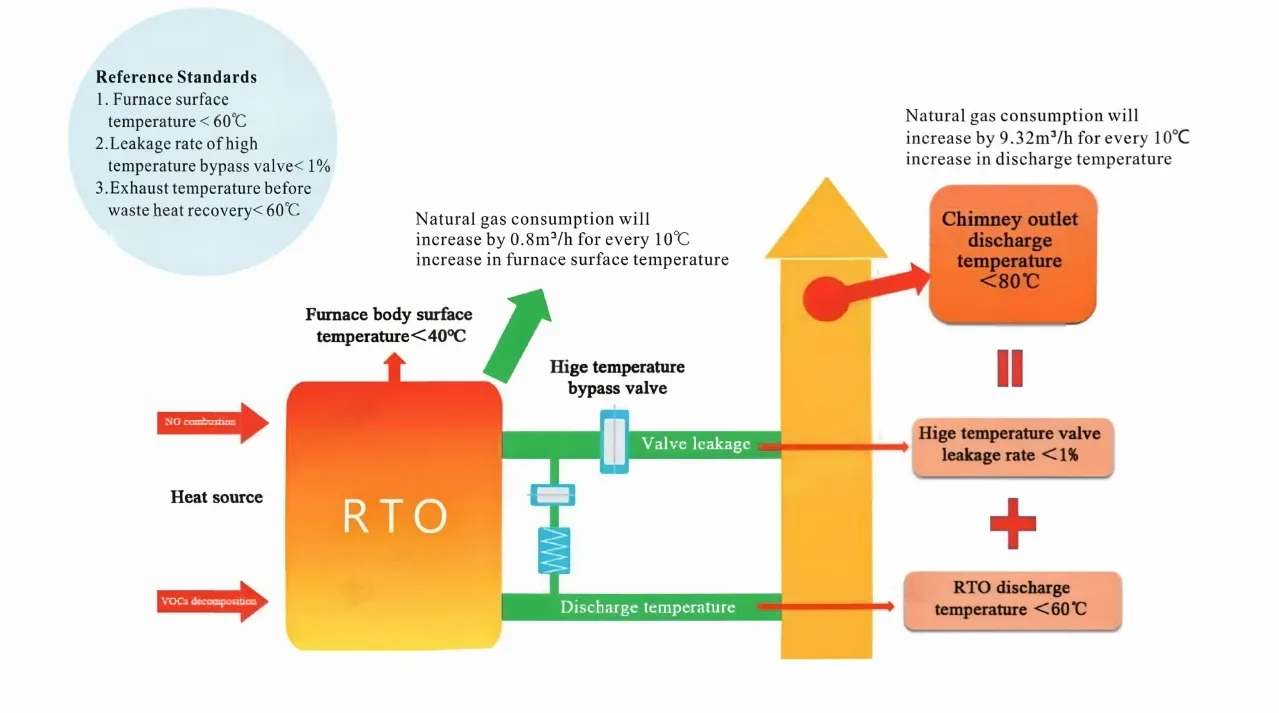
Benefits of RTO NOx Control
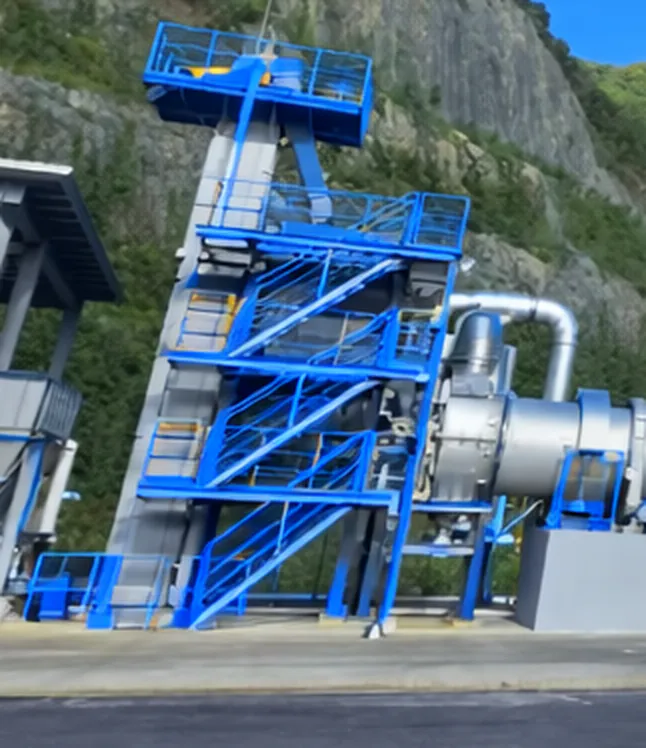
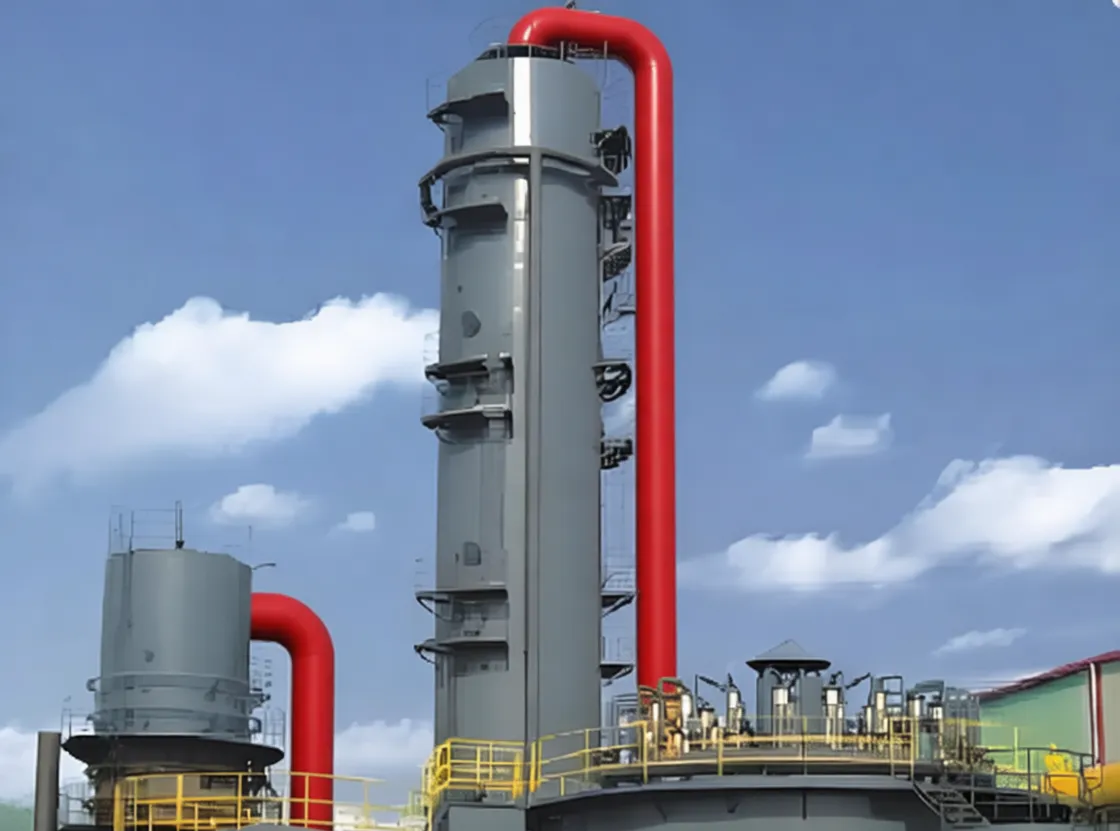
RTO are sophisticated air pollution control devices designed to destroy harmful pollutants like NOx (nitrogen oxides) through high-temperature oxidation. In industrial settings, NOx gases arise from combustion processes in boilers, engines, and furnaces, contributing to air quality issues such as smog and acid rain. Our RTO systems at EVER-POWER(Australia) Company Ltd. operate by preheating incoming exhaust gases using ceramic media beds, achieving oxidation at temperatures around 800-1000°C. This process converts NOx into harmless nitrogen and water vapor, with thermal efficiency up to 95%. The system’s modular design allows for scalability, making it suitable for various Australian industrial scenarios, from small-scale operations in regional Victoria to large facilities in Western Australia’s mining sector. Materials used include high-grade stainless steel and corrosion-resistant alloys to withstand harsh conditions. In practical applications, such as cement plants or power stations in Queensland, our RTOs have demonstrated reliable performance, reducing NOx levels by over 90% while minimizing energy costs through heat recovery.
%
Purification rate
Products Details
| Performance | 2-bed RTO | 3-bed RTO | Rotary Valve RTO | Notes |
|---|---|---|---|---|
| Technicality | First generation | Second generation | Third generation | |
| Number of chambers | 2 | 3 | 12 | Rotary valve operates continuously |
| Number of valves | 4 | 9 | / | |
| Reliability | Valve switching times per year: 350,000 | Valve switching times per year: 520,000 | / | |
| Piping pressure fluctuation | ±500pa | ±250pa | ±25pa | |
| Discharge compliance | Total purification efficiency: 95% | Total purification efficiency: 99% | Total purification efficiency: 99.5% | 99.5% |
| Maximum treating range | < 1g | < 5g | < 10g | 50mg/m³ discharge standard |
| Heat dissipation surface area | 100m² | 145m² | 95m² | |
| Energy saving | Thermal efficiency: 90% | Thermal efficiency: 95% | Thermal efficiency: 96% | 96% |
| Start-up heating time | 2.5h | 2.5h | 2h | Cold furnace start-up (Ethyl acetate) |
| Self-operation concentration | 2.5g/m³ | 2.2g/m³ | 1.8g/m³ | |
| Economy | Regenerative ceramic filling volume: 18m³ | Regenerative ceramic filling volume: 26m³ | Regenerative ceramic filling volume: 17m³ | 17m³ |
| Practicality | Occupation of land: L12×W7 | Occupation of land: L16×W7 | Occupation of land: L12×W7 | L12×W7 |
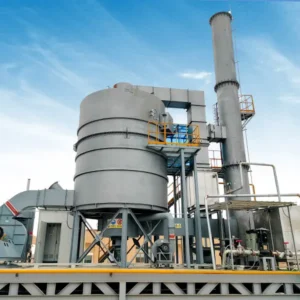
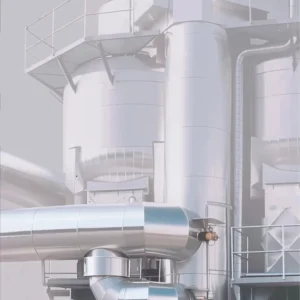
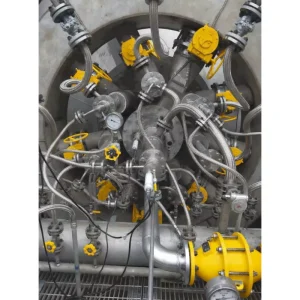
Understanding RTO Technology for NOx Treatment
This technology aligns with Australia’s National Environment Protection (Ambient Air Quality) Measure, which sets limits on NOx concentrations to protect public health. Beyond Australia, similar regulations apply globally: in the EU under the Industrial Emissions Directive (2010/75/EU), NOx emissions from large combustion plants are capped at 200 mg/Nm³; in the US, the EPA’s New Source Performance Standards (NSPS) require NOx reductions via selective catalytic reduction or similar; China’s GB 13223-2011 limits power plant NOx to 100 mg/Nm³; and in India, the Central Pollution Control Board mandates NOx below 300 mg/Nm³ for certain industries. By integrating these standards into our designs, EVER-POWER ensures our RTOs provide versatile, compliant solutions for international markets including neighboring countries like New Zealand and Indonesia, as well as top global players in NOx-intensive industries such as Germany, Japan, and the United States.
The harmful effects of NOx gases on the human body.
Respiratory System Impacts
NOx gases pose a major threat to the respiratory system, particularly to vulnerable groups such as children, the elderly, and those with pre-existing respiratory conditions (e.g., asthma and chronic obstructive pulmonary disease). Exposure to high concentrations of NOx can lead to:
-
Inflammation of the airways, causing difficulty in breathing
-
Aggravation of chronic respiratory diseases like asthma and bronchitis
-
Irritation of the eyes, throat, and nasal membranes, leading to coughing, sore throat, and a runny nose
Lung Function Impairment
Prolonged exposure to NOx pollution can lead to a decline in lung function. NOx gases, along with other pollutants like ozone, can contribute to accelerated lung degeneration, especially for those working in polluted environments.
Carcinogenic Effects
Nitrogen dioxide (NO₂) is a known potential carcinogen. Long-term exposure to NO₂ gas may increase the risk of certain cancers, especially lung cancer. While the carcinogenic mechanism of NOx is still under study, the inflammation caused by NOx and its impact on the immune system could create favorable conditions for cancer development.
Cardiovascular Risks
Long-term exposure to NOx gases can increase the risk of cardiovascular diseases, particularly in individuals with hypertension or heart conditions. NOx can elevate blood pressure, induce inflammation in blood vessels, and raise the risk of strokes and heart attacks.
Immune System Effects
NOx gases can suppress the immune system, reducing the body’s ability to fight off infections. Long-term exposure may increase susceptibility to bacterial and viral infections, making individuals more vulnerable to diseases.
Effects on Fetal Development
Pregnant women exposed to high levels of NOx gases may experience adverse effects on fetal development. Studies suggest that exposure to NOx during pregnancy may result in low birth weight, preterm births, and even fetal developmental delays.
Advantages of RTO for treating VOCs
High Noxs Removal Efficiency:
Since high-temperature oxidation can fully convert Noxs into CO₂ and H₂O, RTO effectively removes harmful gases from the exhaust.
Energy Recovery:
The RTO system recovers heat from the oxidation reaction, allowing the system to use this heat to preheat incoming gases, reducing energy consumption.
Wide Application Range:
RTO is highly effective in treating a wide variety of Noxs gases, especially in industries where high Noxs concentrations are present.
FAQ
Frequently Asked Questions
Q1. What is the best RTO supplier for NOx gas processing in Melbourne's manufacturing sector?
A2. EVER-POWER(Australia) Company Ltd. stands out as a top supplier in Melbourne, offering tailored RTO solutions with over 90% NOx reduction efficiency and full compliance with Victoria’s EPA standards.
A2. Which RTO model is suitable for industrial NOx emissions control in Perth, Western Australia?
A2. Our modular RTO models with 95% thermal efficiency are ideal for Perth’s mining sector, ensuring NOx control under Western Australia’s environmental regulations.
A3. When should I install an RTO for NOx treatment in my Sydney factory to meet Australian standards?
A5. Install an RTO immediately if your Sydney factory exceeds NSW EPA NOx limits; our systems ensure quick compliance with turnaround times of about 6-8 months.
A4. What are the maintenance costs for RTO systems handling NOx in Brisbane's chemical plants?
A4. Annual maintenance for our RTOs in Brisbane averages AUD 20,000-50,000, including parts and service, optimized for chemical industry durability.