

1. Summary
The printing and packaging industry faces a unique dual challenge: managing high-volume, fluctuating VOC emissions from diverse solvents like ethyl acetate and toluene, while adhering to increasingly strict environmental regulations such as Australia’s NPI.
Regenerative Thermal Oxidizers (RTO), particularly when combined with Zeolite Rotor Concentrators or solvent recovery systems, have emerged as the gold standard, offering 99% destruction efficiency and turning waste solvent energy back into process heat.
Ever Power provides custom-engineered, cost-effective RTO solutions that ensure compliance, safety, and significant energy savings for flexographic, rotogravure, and metal decorating facilities.
2. Five Key Facts
Flexo & Gravure: Tailored for Ethanol, Acetates & Toluene.
Rotor Concentrator: Reduces air volume by 15:1 for efficiency.
Aus Compliance: Meets NPI & State EPA Limits (< 20mg/m³).
Heat Recovery: Recycles heat for drying ovens.
Solvent Recovery: Optional condensation for high-value solvents.


3. The VOC Challenge in Modern Printing
The printing and packaging industry is a cornerstone of modern manufacturing, yet it remains one of the significant sources of Volatile Organic Compounds (VOCs). Whether in Flexographic printing for food packaging or Rotogravure for high-volume magazines, the use of organic solvents like ethanol, ethyl acetate, propyl acetate, and toluene is ubiquitous. These solvents are essential for ink viscosity and drying speed but pose severe environmental and health risks if released untreated. For Australian manufacturers, the challenge is compounded by the varying nature of these emissions.
Traditional thermal oxidizers or simple adsorption methods are no longer sufficient to meet today’s energy efficiency demands and strict emission caps. The industry is shifting towards Regenerative Thermal Oxidizers (RTO) integrated with concentration technologies. By increasing the VOC concentration before oxidation and recovering up to 95% of the thermal energy, Ever Power RTO systems transform a compliance cost into an energy asset, feeding heat back into the drying ovens and significantly reducing natural gas consumption.
4. Industry Trends: Green Packaging & Smart RTOs
The Australian packaging industry is moving rapidly towards sustainable materials. This shift includes the use of water-based inks and compostable films, which create high-humidity, low-VOC exhaust streams. Traditional oxidizers struggle here. The trend is firmly towards Zeolite Concentration technology, which efficiently handles these dilute, wet streams.
5. Application Scenarios
5.1 Flexographic Printing
• Exhaust composition: Ethanol + Ethyl acetate, concentration 1–10 g/Nm³, high humidity.
• Treatment method: Rotary concentrator (15:1) + Three-bed RTO; occasionally equipped with a waste heat boiler.
• Representative Cases: Amcor Wisconsin Plant (USA), Mondi (Germany), Vinaprint (Vietnam), Amcor São Paulo (Brazil), Al Ghurair (Dubai), Dangote Packaging (Nigeria).
5.2 Gravure Printing
• Exhaust Gas Composition: High-concentration aromatics (e.g., toluene) at 15–30 g/Nm³.
• Treatment Approach: Rotary concentrator + solvent recovery via condensation + RTO combination to enhance solvent recovery rates.
• Representative Cases: Berry Global (USA), Italian Rotogravure, Thai Packaging (Thailand), Rigid Packaging (Brazil), Saudi Napco, Eastern Pack (Egypt).
5.3 Offset Printing (Heat-set/Cold-set/UV)
• Exhaust composition: Isopropyl alcohol and cleaning solvents; highly variable.
• Treatment method: Wide-range triple-bed RTO.
• Representative cases: Quad Graphics (USA), UPM (Finland), Sinar Mas (Indonesia), RR Donnelley (Brazil), Emirates Printing (UAE), Maroc Press (Morocco).
5.4 Screen Printing
• Exhaust composition: Odors from multi-component pastes and pigments.
• Treatment method: Activated carbon adsorption + RTO standby mode; suitable for small batches or intermittent emissions.
• Representative cases: Nazdar (USA), SilkScreen Co (Turkey), multiple Vietnamese suppliers, Serigrafia (Brazil), ScreenTech (Dubai), Screenline (South Africa).
5.5 Digital Printing Exhaust
• Exhaust composition: Inkjet solvents, low concentration but complex composition.
• Treatment method: Small-scale RTO or RCO; suitable for on-demand printing facilities.
• Representative cases: HP Indigo printing stations (USA), Digital Press (Sweden), Digital Hub (Thailand), AlphaGraphics (Brazil), Digital Print (Saudi Arabia), Digital Solutions (Kenya).
5.6 Laminating/Coating/Varnishing
• Exhaust composition: Ester + ketone-based viscous solvents.
• Treatment method: Rotary concentrator + RTO, concentration ratio 10–20:1.
• Representative Cases: Bemis (USA), Huhtamaki (Germany), Binh Minh Plastics (Vietnam), Dixie Toga (Brazil), Hotpack (UAE), Flexible Packaging (Nigeria).
5.7 Metallic Decorative Printing
• Exhaust Composition: Esters + Ketones, continuous exhaust from high-speed can lines.
• Treatment method: Three-bed RTO + waste heat drying, with thermal energy utilized for post-printing drying.
• Representative cases: Crown Cork (USA), Trivium (Netherlands), Thai Metal Can (Thailand), MetalPack (Brazil), Saudi Can (Saudi Arabia), MetalCan (Egypt).
*Disclaimer: The other brand names mentioned above are provided solely for illustrative purposes. We do not offer original products or equipment bearing these brand names.
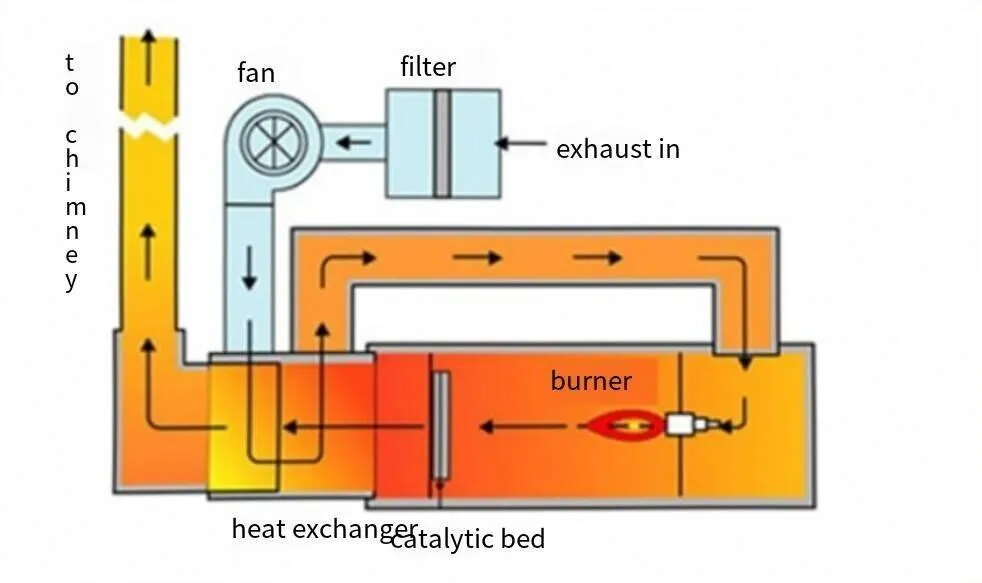

6. Exclusive Data Technical Specifications Table: Printing Series RTO
| Performance | 2-bed RTO | 3-bed RTO | Rotary Valve RTO | Notes |
|---|---|---|---|---|
| Technicality | First generation | Second generation | Third generation | |
| Number of chambers | 2 | 3 | 12 | Rotary valve operates continuously |
| Number of valves | 4 | 9 | / | |
| Reliability | Valve switching times per year | 350,000 | 520,000 | / |
| Piping pressure fluctuation | ±500pa | ±250pa | ±25pa | |
| Discharge compliance | Total purification efficiency | 95% | 99% | 99.5% |
| Maximum treating range | < 1g | < 5g | < 10g | 50mg/m³ discharge standard |
| Heat dissipation surface area | 100m² | 145m² | 95m² | |
| Energy saving | Thermal efficiency | 90% | 95% | 96% |
| Start-up heating time | 2.5h | 2.5h | 2h | Cold furnace start-up (Ethyl acetate) |
| Self-operation concentration | 2.5g/m³ | 2.2g/m³ | 1.8g/m³ | |
| Economy | Regenerative ceramic filling volume | 18m³ | 26m³ | 17m³ |
| Practicality | Occupation of land | L12×W7 | L16×W7 | L12×W7 |
7. Retrofit & Compatibility Guide
Many Australian printing facilities operate with legacy oxidizers that are energy-inefficient. Ever Power offers replacement solutions that are compatible with existing ductwork and control systems.
| Legacy System Brand | Ever Power Upgrade | Key Benefit |
|---|---|---|
| Megtec (Dürr) | EP-Rotor Retrofit | Higher adsorption capacity zeolite wheels. |
| Anguil Standard | EP-Ceramic Bed Upgrade | Structured media for lower pressure drop. |
| Local Thermal Oxidizers | Full RTO Replacement | 95% fuel savings vs direct combustion. |
*Disclaimer: The other brand names mentioned above are provided solely for illustrative purposes. We do not offer original products or equipment bearing these brand names.
8. Australian Regulatory Compliance
Navigating the environmental landscape in Australia requires adherence to both federal and state-level regulations. Ever Power systems are designed to exceed these requirements, ensuring long-term operational security.
- National Pollutant Inventory (NPI): Australian facilities using more than a certain threshold of solvents (e.g., 10 tonnes/year of Ethanol or Toluene) must report emissions. Ever Power RTOs reduce reportable emissions significantly, often dropping facilities below reporting thresholds.
- NSW EPA (Clean Air Regulation): For the printing industry in New South Wales, the Protection of the Environment Operations (Clean Air) Regulation sets strict limits. Volatile organic liquids storage and handling must be controlled, and stack emissions for VOCs are typically capped at 20 mg/m³ or require 99.99% destruction for toxic substances.
- EPA Victoria & QLD DES: Similar to NSW, Victoria and Queensland enforce strict licensing conditions. Our systems include continuous emission monitoring systems (CEMS) interfaces to provide real-time compliance data to state regulators.
- AS 1375 (Gas Fired Appliances): All our burner systems and gas trains are compliant with Australian Standard AS 1375, ensuring safety and insurance validity.
9. Strategic Analysis: RTO for Printers
💪 Strengths (Ever Power)
- Energy Return: Reduces gas consumption by 95%; potential to run fuel-free.
- Turnkey: We handle concentration, oxidation, and heat recovery integration.
- Local Fit: Engineered for Australian AS standards and climate conditions.
📉 Weaknesses (General RTO)
- Footprint: Large systems require significant yard space.
- CAPEX: Higher initial investment than carbon adsorption (but lower OPEX).
🚀 Opportunities
- Carbon Credits: Massive reduction in Scope 1 emissions.
- Capacity Expansion: Modular designs allow for easy future expansion.
⚠️ Threats
- Energy Costs: Rising gas prices in Australia make inefficient oxidizers a liability.
- Regulation: Tighter EPA zones in residential areas require odor-free operations.
10. Why Choose Ever Power?
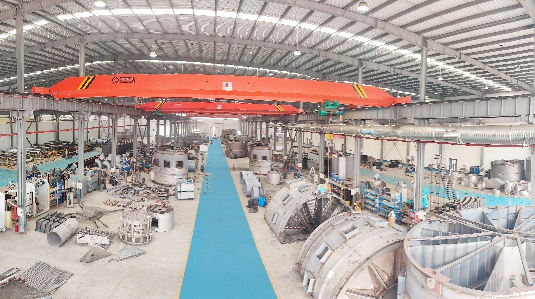
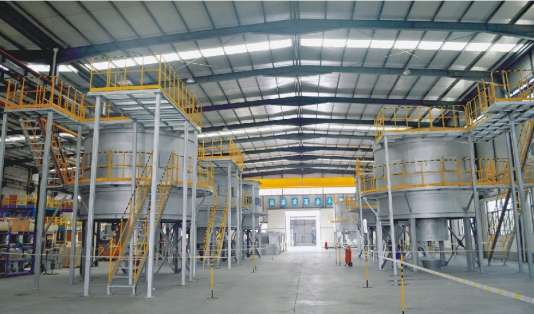
Ever Power isn’t just a vendor; we are your engineering partner. With a manufacturing base capable of producing robust, heavy-duty systems at 35% less cost than European competitors.
- Source Manufacturer: Direct from factory to site, ensuring strict quality control (ISO 9001).
- Custom Layouts: We design vertical or skid-mounted RTOs to fit constrained factory footprints in Sydney or Melbourne industrial zones.
- Testing: Every unit undergoes rigorous Pre-Shipment Inspection (PSI) and airflow simulation.
- Partners: Trusted by global packaging leaders for reliability and performance.
- 25 Core Safety Measures:
25 Core Safety Measures Fire prevention facilities Concentration detection Dilution measures Emergency bypass Safety bypass High temperature bypass valve Explosion relief facilities Temperature control Differential pressure monitoring Temperature difference monitoring Flame detection Gas dual control Valve dual control Electrical explosion-proof Ignition control Power failure control Emergency stop control APP remote monitoring Exhaust temperature control Waste heat recovery control Equipment self-inspection Fault self-stop Abnormal alarm Intelligent interlock Overall plan


11. Customer Success Case: Flexible Packaging in Australia
“We upgraded our flexographic printing production line with an RTO system from Ever Power, and the results have been outstanding. Before purchasing, they specifically introduced me to their zeolite rotor concentrator. They said the system would operate in self-heating mode most of the time, and our fuel costs have been reduced by over 90%. Highly recommended!”
— Production Manager, an Australian flexographic printing company
“Ever Power’s regenerative thermal oxidizer (RTO) system, equipped with solvent recovery capabilities, has made a huge difference. We can now recover and reuse the energy produced, and the system handles volatile organic compound (VOC) concentrations very well. It’s an excellent product.”
—Operations Director, South African Gravure Printing Company
“For years, we struggled with compliance issues and soaring energy costs. Ever Power’s three-bed regenerative thermal oxidizer system (with integrated waste heat recovery) has been a lifesaver. We not only reduced our volatile organic compound (VOC) emissions but also saved a significant amount of energy. Our return on investment was achieved within 18 months!”
— A packaging manufacturer in the United States
“Our food packaging production line uses water-based inks, which present a series of challenges. Ever Power’s zeolite rotor concentrator + regenerative thermal oxidizer (RTO) perfectly solved our low-concentration exhaust gas emission problem. The heat recovery system reduced our reliance on external fuel, and the equipment is very reliable and easy to maintain.”
— Facility Manager, a food packaging company in Australia
“Our collaboration with Ever Power has transformed the production environment of our metal packaging line. Their integrated regenerative thermal oxidizer (RTO) effectively handles high concentrations of volatile organic compounds (VOCs). As a result, we have reduced emissions and energy consumption. It’s an economical, efficient, and environmentally friendly solution.”
— Manufacturing Manager, a German metal packaging company
12. Related Solutions
13. FAQ:
Q1: How much does an RTO cost for a flexo printing press in Australia?
A1. The cost depends on airflow volume (Nm³/h) and solvent concentration. However, Ever Power RTOs are typically 30-40% more cost-effective than European alternatives. For a standard mid-sized flexo press, ROI is often seen within 18-24 months due to energy savings.
Q2: Can the RTO handle the high air volume from our drying tunnels?
A2. Yes. For high-volume, low-concentration air from drying tunnels, we recommend a Zeolite Rotor Concentrator. This reduces the air volume by up to 15 times, allowing you to use a much smaller, more efficient RTO, significantly lowering both CAPEX and OPEX.
Q3: Does Ever Power provide service in Sydney and Melbourne?
A3. Absolutely. We work with dedicated local service partners in major Australian cities to provide installation support, commissioning, and ongoing maintenance, ensuring your system remains compliant with State EPA regulations.
Q4: Is the system compatible with water-based inks?
A4. Water-based inks create high humidity in the exhaust. Standard RTOs can struggle with condensation. Ever Power uses hydrophobic zeolite wheels and specialized ceramic media to manage moisture effectively, making our systems perfect for modern sustainable printing lines.
Q5: What if we have a solvent spike during a job change?
A5. Safety is paramount. Our RTOs feature LEL (Lower Explosive Limit) monitors and rapid-response Hot Bypass valves. If a solvent spike occurs, the system automatically bypasses the heat exchange bed or introduces dilution air to prevent overheating and ensure safety.
Q6: What is the main benefit of using an RTO system?
A6. The primary benefit of using an RTO (Regenerative Thermal Oxidizer) is its high efficiency in VOC destruction. It typically achieves 99% destruction efficiency and recycles up to 97% of the thermal energy back into the process, reducing fuel consumption and operational costs.
Q7: How does an RTO system work?
A7. An RTO works by routing polluted air through ceramic media beds that capture the heat from the exhaust gases. This heat is then used to preheat the incoming air, allowing the system to maintain the necessary temperatures for oxidation without the need for additional fuel, thus improving energy efficiency.
Q8: What industries can benefit from an RTO system?
A8.RTO systems are used in a variety of industries, including automotive, flexographic printing, metal packaging, plastic manufacturing, and chemical processing. Any industry that deals with high-volume, fluctuating VOC emissions can benefit from RTO technology.
Q9: What are the environmental benefits of using an RTO?
A9. An RTO helps companies significantly reduce VOC emissions, which can be harmful to the environment and human health. By destroying up to 99% of VOCs and recovering thermal energy, RTO systems help companies meet environmental regulations while reducing their carbon footprint.
Q10: How do I know if my facility needs an RTO?
A10. If your facility generates high volumes of VOC emissions from processes such as printing, coating, or chemical manufacturing, and you need to meet strict environmental regulations, an RTO could be an ideal solution. Additionally, if you are looking to reduce energy costs and improve compliance, an RTO system may be beneficial.
Contact sales@rtooxidizer.com for a free engineering consultation.
*Disclaimer: The other brand names mentioned above are provided solely for illustrative purposes. We do not offer original products or equipment bearing these brand names.
Editor: PXY