

1. Summary
In the heart of Australia’s robust manufacturing sector, foundries are pushing boundaries with advanced sand regeneration techniques using furan and phenolic resins. These resins are essential for creating high-strength molds and cores, but they come with a hidden challenge: volatile organic compounds (VOCs) emissions during regeneration. As environmental regulations tighten, regenerative thermal oxidizers (RTOs) are emerging as a game-changer. At Ever-Power (Australia) Co., Ltd., we’re at the forefront of delivering tailored RTO solutions that not only ensure compliance but also boost operational efficiency for foundries across the country.
This article dives into the specifics of RTO applications in furan and phenolic resin sand regeneration, exploring technical insights, regulatory landscapes, emerging trends, and practical considerations for Australian operators. Whether you’re in Sydney’s industrial hubs or Perth’s mining-adjacent foundries, understanding RTOs can transform your waste gas management from a liability into an asset.
2. Understanding Furan and Phenolic Resin Sand Regeneration in Foundries
Furan and phenolic resins are widely used in no-bake sand molding processes due to their fast curing times and excellent dimensional stability. In Australia, where foundries support industries like automotive parts in Victoria and mining equipment in Western Australia, sand regeneration is crucial for sustainability and cost savings. The process involves reclaiming used sand by removing residual resins through thermal or mechanical means, but this releases VOCs like formaldehyde, phenol, and furfuryl alcohol vapors.
These emissions arise primarily during the heating phase, where resins degrade at temperatures around 200-400°C. Without proper control, VOCs can lead to air quality issues, health risks for workers, and regulatory fines. RTO systems address this by oxidizing VOCs at high temperatures (typically 760-980°C), converting them into harmless CO2 and water vapor with destruction efficiencies exceeding 99%.
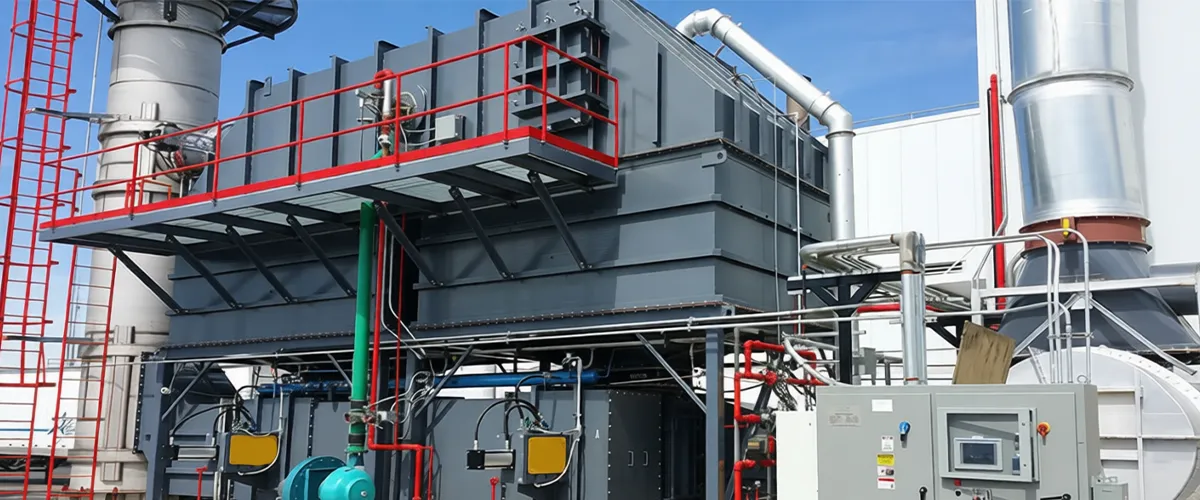
For foundries in humid coastal areas like Queensland, RTOs must handle moisture-laden exhaust streams without efficiency loss. Our classic rotary valve RTO is designed with corrosion-resistant materials to withstand these conditions, ensuring long-term reliability.

3. Global and Local Regulations on RTOs and Waste Gas Emissions in Foundry Operations
Navigating emissions regulations is non-negotiable for foundries worldwide, especially with furan and phenolic resins’ potent VOC profiles. In Australia, the National Environment Protection (Air Toxics) Measure and state-specific guidelines like New South Wales’ Protection of the Environment Operations (Clean Air) Regulation 2021 set strict limits on VOCs, often requiring best available techniques (BAT) such as RTOs. For instance, under EPA Victoria’s guidelines, foundries must achieve VOC reductions of at least 95%, with stack emissions below 20 mg/m³ for total organic compounds.
Neighboring countries echo this rigor. In New Zealand, the Resource Management Act mandates RTO-like controls for air discharges, with regional councils like Auckland enforcing phenol limits under 5 mg/m³. Indonesia, a key Southeast Asian neighbor, follows the Minister of Environment Regulation No. 5/2018, requiring VOC destruction efficiencies over 98% for manufacturing sectors, pushing foundries toward advanced oxidizers.
Globally, leading nations in the foundry industry set benchmarks. The United States, under EPA’s Maximum Achievable Control Technology (MACT) standards for foundries (40 CFR Part 63 Subpart EEEEE), demands RTOs for phenolic urethane cold-box processes with 99% VOC reduction. In Germany, the TA Luft regulation limits formaldehyde to 5 mg/m³, favoring RTOs with heat recovery. China, the world’s largest foundry producer, enforces GB 16297-1996 with VOC limits under 120 mg/m³, while India’s Central Pollution Control Board requires 95% efficiency for resin sand operations. Japan’s Air Pollution Control Act caps phenol at 0.1 ppm, and South Korea’s Clean Air Conservation Act mandates RTOs for facilities exceeding 10 tons/year of VOC emissions.
In Brazil, CONAMA Resolution 430/2011 sets VOC stack limits at 20 mg/m³, similar to Mexico’s NOM-085-SEMARNAT-2011. Even in emerging markets like Turkey (under the Industrial Air Pollution Control Regulation) and South Africa (National Environmental Management: Air Quality Act), RTO adoption is rising to meet EU-aligned standards. For Australian foundries exporting to these top-10 nations (including the US, China, Germany, Japan, India, South Korea, Brazil, Mexico, Turkey, and Italy), integrating RTOs ensures seamless compliance and market access.
4. Emerging Trends in RTO Technology for Foundry Sand Regeneration
The RTO landscape is evolving rapidly, driven by sustainability demands and technological innovation. One key trend is the integration of carbon capture and storage (CCS) with RTOs. In foundry settings, where CO2 from VOC oxidation adds to emissions, CCS modules can capture up to 90% of post-combustion CO2, aligning with Australia’s net-zero goals by 2050. For instance, retrofitting an RTO with amine-based absorbers could reduce a typical foundry’s carbon footprint by 20-30 tons annually per unit.
Another advancement is the shift to hydrogen fuel burners in RTOs, eliminating fossil fuel dependency. Hydrogen combustion produces zero CO2, only water vapor, making it ideal for phenolic resin processes that already generate steam-laden exhaust. In Australia, with abundant renewable hydrogen from solar-rich regions like the Pilbara, this could cut operational emissions by 50%, as per recent CSIRO studies.
Combining RTOs with zeolite wheel concentrators is gaining traction for low-concentration VOC streams in sand regeneration. This hybrid setup concentrates VOCs 10-20 times before oxidation, slashing energy use by 40%. For furan resins, which emit sporadic bursts of alcohols, this ensures stable operation without supplemental fuel.
Sustainability analysis further highlights RTO benefits: A standard 10,000 Nm³/h unit processing phenolic exhaust might consume 500 kWh daily but recover 95% heat, yielding a net carbon reduction of 15-20 kg CO2e per hour compared to flaring. Over a year, that’s equivalent to planting 500 trees. Additionally, AI-driven predictive maintenance—integrating sensors for valve wear and ceramic bed fouling—extends RTO lifespan by 20%, minimizing downtime in high-throughput foundries.
These trends position RTOs not just as compliance tools but as strategic assets for foundries aiming for circular economies, where regenerated sand and recovered heat loop back into production.
5. Customized RTO Solutions for Australian Foundries
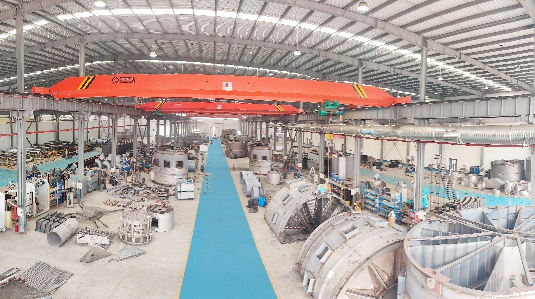
Ever-Power specializes in bespoke RTO solutions for the unique challenges of Australian asphalt producers—from high-silica dust in outback quarries to coastal humidity in Queensland plants. Our engineering team conducts on-site exhaust profiling to size pre-filters, select corrosion-resistant alloys, and optimize heat recovery based on your utility needs. With service hubs in Sydney and Perth, we offer rapid spare parts delivery, operator training in English, and 24/7 remote diagnostics. Unlike generic suppliers, we deliver full turnkey projects including civil works coordination, commissioning, and compliance documentation aligned with NSW EPA or VIC DELWP requirements. Every system is factory-tested before shipment to ensure seamless startup.
For foundry-specific needs in furan and phenolic sand regeneration, our RTOs incorporate acid-resistant linings to handle formaldehyde vapors and modular designs for easy integration into existing lines. This customization extends to neighboring markets like New Zealand’s metal casting sector or Indonesia’s growing automotive foundries, where we adapt to local power grids and seismic standards.

6. Customer Success Stories
6.1. Client Profile: Foundry Sand Regeneration in North Carolina, USA
Industry: Foundry Manufacturing
Application: VOC Control in Sand Regeneration Process
Success Story:
A large foundry in North Carolina that specializes in automotive parts was facing significant VOC emissions from its sand regeneration process, which involved the use of phenolic resins. The foundry needed to comply with the U.S. Environmental Protection Agency’s (EPA) Maximum Achievable Control Technology (MACT) standards. They installed an RTO system from Anguil Environmental Systems, which helped achieve a VOC destruction efficiency of over 99%. The system utilized heat recovery, which lowered fuel consumption by 40%, significantly reducing operational costs. The RTO also helped the foundry meet local air quality standards and reduce its carbon footprint, demonstrating the dual benefit of regulatory compliance and energy efficiency.
6.2. Client Profile: Furan Resin Sand Regeneration in São Paulo, Brazil
Industry: Foundry Manufacturing
Application: VOC and Odor Control in Sand Regeneration
Success Story:
A foundry in São Paulo, Brazil, dealing with the regeneration of sand used in metal casting for the automotive industry was facing challenges with the high VOC emissions during the regeneration of furan resin-based sands. The local environmental regulations set strict VOC limits under CONAMA Resolution 430/2011. To ensure compliance and improve operational efficiency, the foundry installed an RTO system from SAB Engineering. The system was customized for high humidity and high-temperature exhaust streams, handling low-concentration emissions. The RTO effectively reduced VOC emissions by 95% while recovering 90% of the heat, which was reused in the sand drying process. The result was not only compliance with environmental regulations but also substantial cost savings in energy consumption.
6.3. Client Profile: Phenolic Resin Sand Regeneration in Guangdong, China
Industry: Foundry Manufacturing
Application: VOC Control in Resin Sand Regeneration
Success Story:
A large metal casting foundry in Guangdong, China, required a solution for managing the VOCs produced during phenolic resin sand regeneration. With the increasing emphasis on environmental regulations in China, the foundry needed a system that would meet GB 16297-1996 emission limits. They installed an RTO system from Pollution Control Systems, which allowed them to reduce VOC emissions by over 99% and achieve the required destruction efficiency. The system featured a combination of heat recovery and zeolite wheel concentrators, which enhanced performance for low-concentration VOC streams. This solution ensured the foundry’s compliance with local regulations and helped the company maintain a sustainable operation while meeting market demands.
6.4. Client Profile: Foundry Sand Regeneration in Germany
Industry: Metal Casting
Application: Formaldehyde and VOC Control
Success Story:
A German foundry located in Bavaria, known for its high-precision casting for the automotive and aerospace industries, required a solution for controlling VOC emissions during the regeneration of sand used with furan and phenolic resins. The foundry faced the challenge of adhering to Germany’s strict TA Luft regulations, which set formaldehyde emission limits to 5 mg/m³. The company turned to Schmidt & Krampe for an RTO solution that could handle the high VOC loads generated during regeneration. The installed system achieved 99.5% VOC destruction and was capable of recovering 95% of the heat, reducing the foundry’s energy consumption. This setup not only helped the company comply with regulatory standards but also allowed them to cut operational costs, making the process more efficient and sustainable.
*Disclaimer: The other brand names mentioned above are provided solely for illustrative purposes. We do not offer original products or equipment bearing these brand names.
7. Why Choose Ever-Power for Your RTO Needs?
As a leader in environmental solutions, Ever-Power (Australia) Co., Ltd. combines global expertise with local presence. Our RTOs are engineered for durability, with features like low-NOx burners and automated purge cycles to prevent resin buildup. Visit our blog for more insights, or explore our company profile to see our commitment to innovation.
One unique viewpoint: Pairing RTOs with biofiltration for hybrid odor control in phenolic processes—RTO handles high-VOC loads while biofilters polish low-level emissions, reducing chemical use by 30%. Another: Leveraging drone-based emissions monitoring integrated with RTO controls for real-time compliance in remote Australian sites.
Ever-Power specializes in bespoke RTO solutions for the unique challenges of Australian asphalt producers—from high-silica dust in outback quarries to coastal humidity in Queensland plants. Our engineering team conducts on-site exhaust profiling to size pre-filters, select corrosion-resistant alloys, and optimize heat recovery based on your utility needs. With service hubs in Sydney and Perth, we offer rapid spare parts delivery, operator training in English, and 24/7 remote diagnostics. Unlike generic suppliers, we deliver full turnkey projects including civil works coordination, commissioning, and compliance documentation aligned with NSW EPA or VIC DELWP requirements. Every system is factory-tested before shipment to ensure seamless startup.
8. Related Solutions


9. Frequently Asked Questions:
Q1. What is the cost of installing an RTO for furan resin sand regeneration in a Sydney foundry?
A1. Installation costs typically range from AUD 200,000 to 500,000, depending on capacity and custom features like zeolite concentrators; we offer free quotes tailored to NSW EPA standards.
Q2. How much does an RTO system reduce VOC emissions in phenolic resin processes for Queensland mining equipment foundries?
A2. Our systems achieve over 99% VOC reduction, with heat recovery cutting energy costs by 40%; contact us for a site-specific efficiency quote aligned with QLD environmental regulations.
Q3. Where can I find a reliable RTO supplier for furan sand regeneration in Perth’s industrial sector?
A3. Ever-Power in Perth provides turnkey RTO solutions with local service hubs; we specialize in high-dust environments common in WA foundries, offering competitive pricing and quick delivery.
Q4. Which RTO model is best for handling phenolic resin VOCs in New Zealand’s automotive casting plants?
A4. Our rotary valve RTO is ideal, with 95% heat recovery and compliance to NZ Resource Management Act; get a customized quote for your Auckland or Christchurch facility today.
Q5. When should Australian foundries upgrade to RTOs for furan resin sand regeneration to meet federal air quality standards?
A5. Upgrade now to avoid fines under the National Environment Protection Measure; our experts provide timelines and cost estimates for seamless integration in VIC or SA operations.
Q6. How to calculate the price of an RTO for phenolic sand regeneration in Indonesian export-oriented foundries?
A6. Prices start at USD 150,000, factoring in wind volume and Minister Regulation No. 5/2018 compliance; we offer detailed quotes for Jakarta or Surabaya plants with international shipping.
Q7. What are the maintenance costs for RTO systems in US foundries using furan resins for automotive parts?
A7. Annual maintenance averages USD 10,000-20,000, including valve inspections; our systems meet EPA MACT standards with predictive AI monitoring to minimize downtime.
Q8. Where to get a quote for RTO installation in Chinese phenolic resin sand regeneration facilities?
A8. Contact Ever-Power for quotes starting from CNY 1,000,000, ensuring GB 16297-1996 compliance; we serve top regions like Guangdong and Shanghai with full engineering support.
Q9. How does an RTO supplier ensure compliance for furan sand processes in German high-precision foundries?
A9. We design systems to TA Luft limits with 99.9% efficiency; request a free quote for your Bavaria or Baden-Württemberg plant, including hydrogen burner options for sustainability.
Q10. What is the total cost of ownership for RTO in Brazilian furan resin sand regeneration for mining equipment?
A10. TCO over 10 years is around BRL 2,000,000, with energy savings offsetting 30%; our solutions comply with CONAMA 430/2011—get a personalized quote for São Paulo operations.
Q11. When is the best time to buy an RTO for phenolic sand regeneration in South Korean automotive foundries?
A11. Purchase now to align with Clean Air Conservation Act updates; our pricing includes installation from KRW 200,000,000, with quotes for Seoul or Busan sites available immediately.
Q12. How to find affordable RTO prices for furan resin processes in Indian metal casting industries?
A12. Prices from INR 10,000,000 with CPCB-compliant designs; we provide quotes for Maharashtra or Tamil Nadu foundries, emphasizing carbon capture integrations for eco-friendly operations.
Editor: PXY
*Disclaimer: The other brand names mentioned above are provided solely for illustrative purposes. We do not offer original products or equipment bearing these brand names.