

1. Summary
In Australia’s growing foam manufacturing sector, where expanded polystyrene (EPS) and expanded polypropylene (EPP) are key materials for packaging, insulation, and automotive parts, managing volatile organic compounds (VOCs) from pre-expansion and molding processes is crucial. At Ever-Power (Australia) Co., Ltd., we specialize in regenerative thermal oxidizers (RTOs) tailored to these applications. Our systems not only ensure compliance with strict Australian regulations but also boost operational efficiency. Explore how our RTO technology addresses these challenges, and learn about global trends shaping the industry. For more on our solutions, visit our Classic Rotary Valve RTO product page.
2. Understanding EPS and EPP Production: The Emission Challenges
The EPS and EPP industry in Australia thrives due to demand from construction in Sydney’s booming suburbs and automotive manufacturing in Melbourne. Pre-expansion involves heating raw beads with steam, releasing pentane or other blowing agents as VOCs. Molding then shapes these beads under heat and pressure, further emitting hydrocarbons. These emissions can lead to air quality issues if not controlled, especially in densely populated areas like Brisbane or Perth.
Common problems include low-concentration VOCs mixed with steam, making direct treatment inefficient. Without proper abatement, factories risk fines under Australia’s National Environment Protection Measure (NEPM) for air toxics. Neighboring countries like New Zealand face similar issues under the Resource Management Act, emphasizing odor control in regions like Auckland. Globally, top EPS/EPP producers such as China (under GB 16297-1996 standards) and Germany (via TA Luft regulations) set benchmarks for low-emission operations.
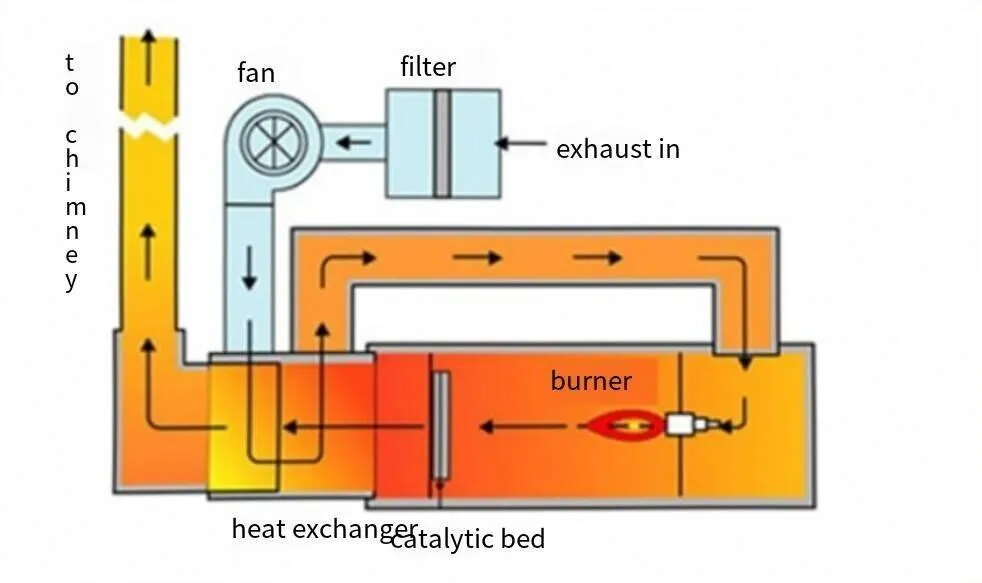

3. How RTO Technology Solves EPS/EPP Emission Issues
Regenerative thermal oxidizers from Ever-Power use ceramic media to recover up to 97% of heat, destroying VOCs at 99.5% efficiency. In EPS/EPP setups, our systems handle humid exhaust streams by incorporating pre-filters to prevent bead residue buildup. This results in emissions below 20 mg/Nm³, far under Australian limits. For instance, in humid Queensland environments, our RTOs integrate dehumidification to maintain performance.
Key Technical Parameters of Ever-Power RTO for EPS/EPP Applications
| Parameter | Value | Benefit |
|---|---|---|
| VOC Destruction Efficiency | 99.5% | Exceeds Australian NEPM standards |
| Heat Recovery Rate | 95-97% | Lowers fuel costs in high-energy Australian plants |
| Airflow Capacity | 5,000-100,000 m³/h | Suitable for small Sydney workshops to large Victorian factories |
| Operating Temperature | 760-980°C | Handles pentane and styrene effectively |
| Pressure Drop | < 2 kPa | Minimizes fan energy in humid coastal areas |
| Performance | 2-bed RTO | 3-bed RTO | Rotary Valve RTO | Notes |
|---|---|---|---|---|
| Technicality | First generation | Second generation | Third generation | |
| Number of chambers | 2 | 3 | 12 | Rotary valve operates continuously |
| Number of valves | 4 | 9 | / | |
| Reliability | Valve switching times per year: 350,000 | Valve switching times per year: 520,000 | / | |
| Piping pressure fluctuation | ±500pa | ±250pa | ±25pa | |
| Discharge compliance | Total purification efficiency: 95% | Total purification efficiency: 99% | Total purification efficiency: 99.5% | 99.5% |
| Maximum treating range | < 1g | < 5g | < 10g | 50mg/m³ discharge standard |
| Heat dissipation surface area | 100m² | 145m² | 95m² | |
| Energy saving | Thermal efficiency: 90% | Thermal efficiency: 95% | Thermal efficiency: 96% | 96% |
| Start-up heating time | 2.5h | 2.5h | 2h | Cold furnace start-up (Ethyl acetate) |
| Self-operation concentration | 2.5g/m³ | 2.2g/m³ | 1.8g/m³ | |
| Economy | Regenerative ceramic filling volume: 18m³ | Regenerative ceramic filling volume: 26m³ | Regenerative ceramic filling volume: 17m³ | 17m³ |
| Practicality | Occupation of land: L12×W7 | Occupation of land: L16×W7 | Occupation of land: L12×W7 | L12×W7 |
4. Regulatory Landscape: Australia and Beyond
In Australia, the Environment Protection Authority (EPA) in states like New South Wales enforces the Protection of the Environment Operations Act 1997, mandating VOC emissions below 50 mg/Nm³ for foam industries. Victoria’s EPA aligns with this, focusing on odor thresholds in urban Melbourne. Non-compliance can result in shutdowns, as seen in recent Perth cases.
Neighboring nations: New Zealand’s National Environmental Standards for Air Quality require RTO-like controls for EPS plants near Wellington. Indonesia, a major Southeast Asian EPS producer, follows the Minister of Environment Regulation No. 5/2019, limiting VOCs to 100 mg/Nm³. Papua New Guinea emphasizes basic controls under its Environment Act 2000.
Top global players: The United States (EPA’s 40 CFR Part 60) demands 98% VOC reduction in states like California. China’s GB 37822-2019 sets stringent limits for EPP molding in Guangdong. Germany’s Federal Immission Control Act requires BAT (Best Available Techniques) with RTOs. Japan’s Air Pollution Control Act targets styrene emissions in Tokyo factories. South Korea’s Clean Air Conservation Act mandates advanced oxidizers in Busan ports. Brazil’s CONAMA Resolution 430/2011 focuses on Rio’s industrial zones. India’s Central Pollution Control Board guidelines push for RTO in Delhi’s foam clusters. Mexico’s NOM-085-SEMARNAT-2011 regulates VOCs in Monterrey plants. Turkey’s Air Quality Assessment and Management Regulation aligns with EU standards in Istanbul. Saudi Arabia’s PME regulations emphasize dust and VOC control in Jeddah facilities.
These laws highlight a global shift toward zero-odor emissions, making RTOs essential for international compliance.
5. Trends in RTO for EPS/EPP: Future-Proofing Your Operations
The EPS/EPP sector is evolving with sustainability at its core. One emerging trend is integrating RTOs with carbon capture units, capturing CO₂ from exhaust for reuse in foam blowing—reducing Australia’s carbon footprint by up to 20% per plant. Another innovation: Hydrogen-fueled burners in RTOs, cutting fossil fuel dependency in renewable-rich states like South Australia.
Sustainable analysis: Our RTOs can lower a facility’s carbon emissions by 15-25 tons annually per 10,000 m³/h airflow, based on energy recovery calculations. Pairing with solar pre-heating further enhances this, aligning with Australia’s Net Zero by 2050 goals. A distinct perspective: In EPP automotive parts molding, RTO waste heat can preheat molds, improving cycle times by 10% and reducing overall energy use.

6. Our Factory and Customization Capabilities
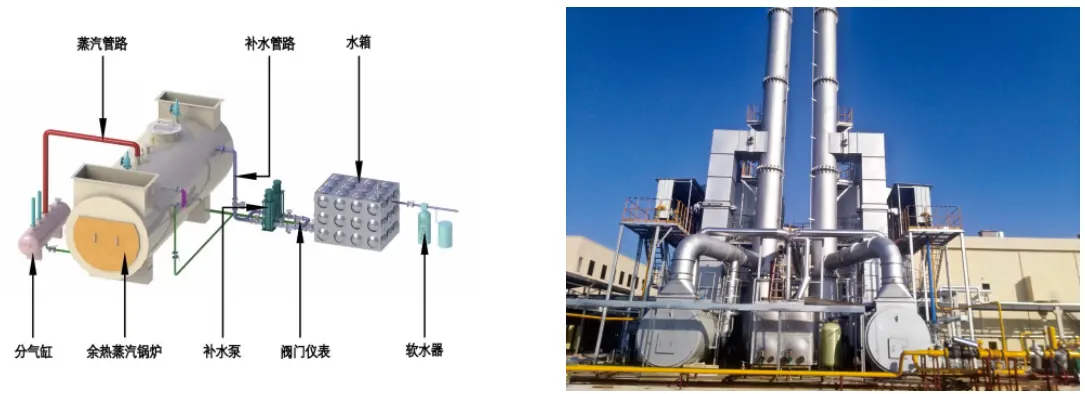
At Ever-Power (Australia) Co., Ltd., we pride ourselves on local manufacturing excellence. Our facilities in Sydney produce RTOs compliant with Australian standards, ensuring quick delivery to clients across the continent. Ever-Power specializes in bespoke RTO solutions for the unique challenges of Australian asphalt producers—from high-silica dust in outback quarries to coastal humidity in Queensland plants. Our engineering team conducts on-site exhaust profiling to size pre-filters, select corrosion-resistant alloys, and optimize heat recovery based on your utility needs. With service hubs in Sydney and Perth, we offer rapid spare parts delivery, operator training in English, and 24/7 remote diagnostics. Unlike generic suppliers, we deliver full turnkey projects including civil works coordination, commissioning, and compliance documentation aligned with NSW EPA or VIC DELWP requirements. Every system is factory-tested before shipment to ensure seamless startup.
Learn more about us at our company page.
7. Customer Success Stories
“At our EPS plant in Brisbane, we installed Ever-Power’s RTO system, which achieved a heat recovery efficiency of 97%, significantly reducing our energy costs. The equipment operates stably and complies with Queensland’s environmental regulations, allowing us to focus on production without compliance worries.”
“At our EPP plant in Melbourne, we used Ever-Power’s RTO system. The installation process was smooth, and the team provided comprehensive support, especially in complying with Victoria’s DELWP regulations. Ever-Power’s localized service gave us great peace of mind.”
“At our EPS production plant in Sydney, we chose Ever-Power’s RTO system. It not only helped us meet New South Wales EPA’s VOC emission standards but also performed exceptionally well in humid environments. The overall operation is very stable, reducing environmental risks at the plant.”
“At our rock wool factory in Perth, we selected Ever-Power’s classic rotary valve RTO, which perfectly addressed our VOC emission issues in a high-humidity environment. The system is equipped with high-efficiency pre-treatment filters, ensuring dust-free and stable emissions, fully complying with Western Australian environmental regulations.”
“At our EPP plant in Tasmania, Ever-Power’s RTO system helped us reduce energy consumption by 40%, while achieving over 99% VOC emission control. This investment not only meets national environmental goals but also helps us fulfill our commitment to sustainable development.”
“At our factory in Queensland, we used Ever-Power’s RTO system. After installation, the system operated stably and demonstrated significant energy savings. Ever-Power’s local support team was very professional, providing comprehensive services during the installation process and ensuring we met Queensland’s environmental standards.”
8. Related Solutions



9. FAQ:
Q1.CHow much does an RTO system cost for a small EPS molding plant in Sydney?
A1. RTO costs for Sydney-based EPS plants typically range from AUD 150,000 to 500,000, depending on airflow capacity and customization; contact us for a free quote aligned with NSW EPA standards.
Q2. What is the best RTO supplier for EPP pre-expansion emissions control in Melbourne?
A2. Ever-Power stands out as a top RTO supplier in Melbourne, offering 99% VOC destruction with heat recovery tailored to Victoria’s DELWP regulations; get a customized price today.
Q3. Where can I find RTO installation quotes for foam manufacturing in Brisbane?
A3. For Brisbane foam factories, Ever-Power provides competitive RTO quotes with on-site assessments to meet Queensland’s environmental laws; inquire now for detailed pricing.
Q4. Which RTO model handles high-humidity EPS waste gas in Perth effectively?
A4. Our Classic Rotary Valve RTO excels in Perth’s coastal humidity for EPS applications, ensuring low pressure drops and compliance with WA DER rules; request a supplier quote here.
Q5. When should Australian EPP plants upgrade to advanced RTO technology?
A5. Australian EPP facilities should upgrade RTOs when facing rising energy costs or new NEPM updates; Ever-Power offers cost-effective solutions with quick ROI estimates.
Q6. How to choose an RTO for styrene emissions in Adelaide’s foam industry?
A6. Select an RTO with 97% heat recovery for Adelaide’s styrene control in foam production; as a local supplier, we provide quotes based on SA EPA guidelines.
Q7. What are the maintenance costs for RTO in New Zealand’s EPS factories?
A7. Maintenance for RTO in New Zealand EPS plants averages NZD 10,000 yearly; our systems minimize this with durable designs compliant with RMA standards—get a quote.
Q8. Where to buy energy-efficient RTO for Indonesian EPP molding plants?
A8. For Indonesian EPP operations, buy from suppliers like Ever-Power offering efficient RTOs under Regulation No. 5/2019; contact for international shipping quotes.
Q9. Which features make RTO ideal for China’s foam industry VOC control?
A9. RTO with zeolite integration is ideal for China’s GB 37822-2019 compliance in foam VOCs; as a global supplier, we provide competitive prices for large-scale plants.
Q10. How does RTO pricing compare for US EPS plants under EPA rules?
A10. RTO pricing for US EPS under 40 CFR Part 60 starts at USD 200,000; our models offer superior efficiency—request a detailed quote from your trusted supplier.
Editor: PXY