

1. Summary
In the specialized field of Traditional Chinese Medicine (TCM) and natural extract pharmaceuticals, the processes of ethanol precipitation and spray drying represent the most energy-intensive and emission-heavy stages of production. During ethanol precipitation, high concentrations of alcohol are used to separate impurities from the herbal decoction, leading to substantial volatilization of ethanol vapors. Similarly, spray drying, which converts liquid extracts into powder, involves massive airflows and high temperatures, carrying latent solvent vapors and fine particulates into the atmosphere. For pharmaceutical engineers and plant managers in Australia, managing these emissions is not merely about odor control; it is about mitigating the risk of explosion due to low flash points while adhering to increasingly stringent environmental standards. The exhaust gas from these processes typically exhibits unique characteristics: high humidity, fluctuating concentrations of Volatile Organic Compounds (VOCs), and the potential for “dew point” condensation, which can corrode standard steel ducts and oxidizer beds.
Traditional thermal oxidizers or basic scrubbers often fail in these applications due to the high moisture content associated with spray drying and the rigorous thermal cycling required. An inadequate system does not just risk regulatory fines from bodies like the EPA Victoria or the NSW EPA; it jeopardizes the entire production line’s safety certification. The modern solution lies in the deployment of specialized Regenerative Thermal Oxidizers (RTO) equipped with anti-condensation features and high-grade ceramic heat storage media. Ever-Power has engineered RTO systems specifically designed to handle the hydraulic and thermal shock inherent in pharmaceutical batch processing. By shifting from a “disposal” mindset to an “energy recovery” mindset, our RTOs not only destroy hazardous ethanol vapors with 99%+ efficiency but also recover thermal energy to preheat the spray dryer’s intake air, creating a circular energy economy within the factory.
2. Navigating Environmental Compliance: Australian Regulations and Global Standards
Operating a pharmaceutical facility in Australia requires strict adherence to a complex framework of state and federal environmental laws. Under the National Environment Protection (National Pollutant Inventory) Measure, facilities handling significant quantities of ethanol and other solvents must rigorously report emissions. Specifically, for operations in New South Wales, the Protection of the Environment Operations (Clean Air) Regulation sets stringent limits on the concentration of VOCs discharged from stationary sources. Similarly, in Victoria, the Environmental Protection Authority (EPA Victoria) enforces the General Environmental Duty (GED), requiring businesses to take all reasonably practicable steps to minimize risks to human health and the environment. This means that simply having an oxidizer is not enough; the system must demonstrate consistent destruction efficiency (typically >99%) and availability. Ever-Power RTO systems are engineered to meet these specific Australian compliance thresholds, ensuring that your facility passes audits by the Therapeutic Goods Administration (TGA) regarding Good Manufacturing Practice (GMP) environmental controls.
Looking beyond Australia, our design philosophy incorporates the rigorous demands of the global pharmaceutical market. In the European Union, the Industrial Emissions Directive (IED) 2010/75/EU mandates the use of Best Available Techniques (BAT) for solvent management, which explicitly recommends regenerative thermal oxidation for high-flow, low-to-medium concentration streams found in spray drying. In the United States, pharmaceutical manufacturers must comply with the EPA’s National Emission Standards for Hazardous Air Pollutants (NESHAP). Furthermore, adjacent Asian markets like China have implemented the Emission Standard of Volatile Organic Compounds for the Pharmaceutical Industry (GB 37823-2019), which imposes strict limits on NMHC (Non-Methane Hydrocarbons). Whether your facility is located in Sydney, Shanghai, or Stuttgart, Ever-Power’s RTO technology ensures that your ethanol precipitation and spray drying lines remain compliant, future-proofing your investment against evolving environmental legislation.
3. Technical Core: Working Principle, Materials, and Scenarios
The RTO Working Principle for High-Humidity Streams:
The Ever-Power RTO operates by pushing the ethanol-laden exhaust gas through a bed of ceramic heat exchange media. The gas is preheated to near-combustion temperatures before entering the combustion chamber, where it is held at approximately 800°C to 850°C. At this temperature, the ethanol (VOC) oxidizes exothermically into harmless carbon dioxide (CO2) and water vapor (H2O). The clean, hot gas then passes down through a second ceramic bed, transferring its thermal energy to the media to be used for the next cycle of incoming gas. For TCM applications, specifically spray drying, the exhaust often contains high water vapor. Our specific design includes anti-condensation insulation and a hot-bypass system to prevent moisture from condensing within the cool zones of the RTO, which prevents corrosion and ceramic blockage. We typically utilize a 3-Chamber RTO or a Rotary RTO design to ensure zero leakage and stable pressure, which is critical for maintaining the delicate pressure balance required inside a spray dryer.
Material Science & Application Scenarios:
Given the pharmaceutical context, material purity and resistance are paramount. The shell of the RTO is constructed from Q235B carbon steel with a heavy-duty anti-corrosion coating, while internal components exposed to the acidic condensate of ethanol/water mixtures are fabricated from SS304 or SS316L stainless steel. The ceramic media consists of high-alumina structured monoliths or saddles, selected for their thermal shock resistance and resistance to potential particulate fouling from herbal powders. This technology is specifically optimized for:
1. Alcohol Precipitation Supernatant Concentration: High concentration ethanol recovery tail gas.
2. Herbal Extract Spray Drying: Large volume, high humidity, low VOC concentration air streams.
3. Fluidized Bed Granulation: Intermittent, fluctuating flows of solvent binders.
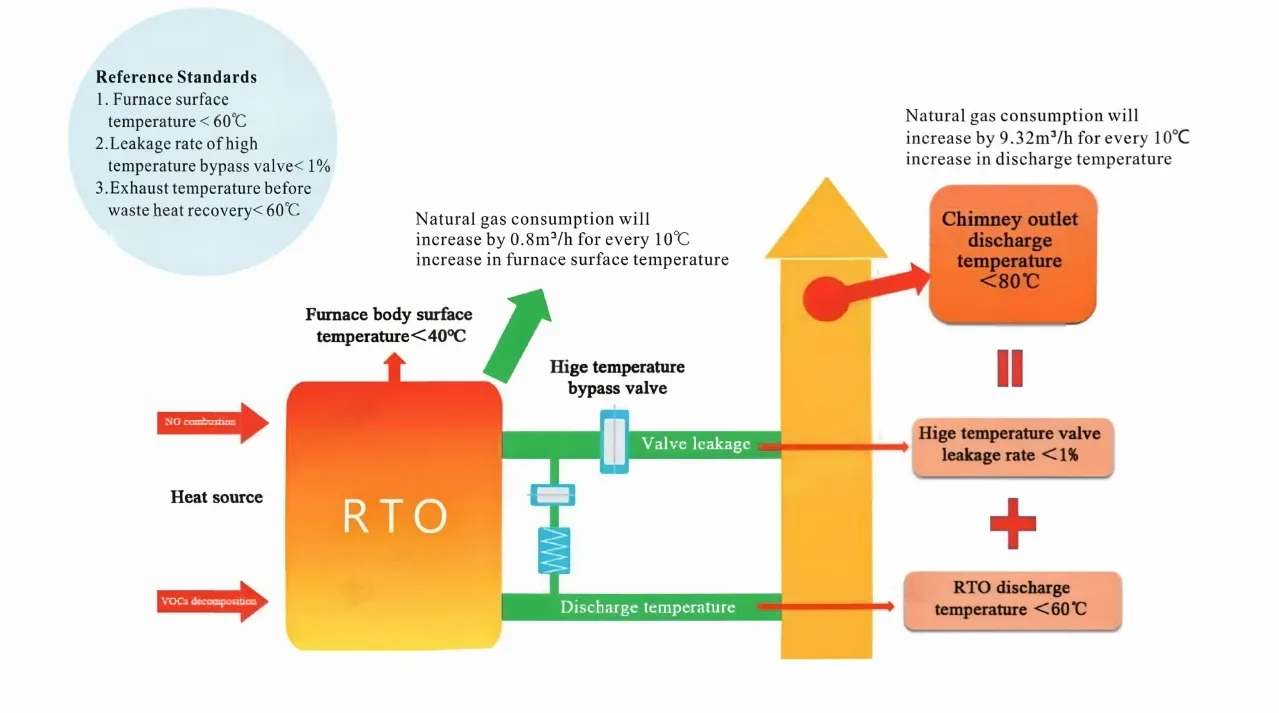

4. Ever Power RTO Technical Specifications
| Performance | 2-bed RTO | 3-bed RTO | Rotary Valve RTO | Notes |
|---|---|---|---|---|
| Technicality | First generation | Second generation | Third generation | |
| Number of chambers | 2 | 3 | 12 | Rotary valve operates continuously |
| Number of valves | 4 | 9 | / | |
| Reliability | Valve switching times per year: 350,000 | Valve switching times per year: 520,000 | / | |
| Piping pressure fluctuation | ±500pa | ±250pa | ±25pa | |
| Discharge compliance | Total purification efficiency: 95% | Total purification efficiency: 99% | Total purification efficiency: 99.5% | 99.5% |
| Maximum treating range | < 1g | < 5g | < 10g | 50mg/m³ discharge standard |
| Heat dissipation surface area | 100m² | 145m² | 95m² | |
| Energy saving | Thermal efficiency: 90% | Thermal efficiency: 95% | Thermal efficiency: 96% | 96% |
| Start-up heating time | 2.5h | 2.5h | 2h | Cold furnace start-up (Ethyl acetate) |
| Self-operation concentration | 2.5g/m³ | 2.2g/m³ | 1.8g/m³ | |
| Economy | Regenerative ceramic filling volume: 18m³ | Regenerative ceramic filling volume: 26m³ | Regenerative ceramic filling volume: 17m³ | 17m³ |
| Practicality | Occupation of land: L12×W7 | Occupation of land: L16×W7 | Occupation of land: L12×W7 | L12×W7 |
*Disclaimer: The other brand names mentioned above are provided solely for illustrative purposes. We do not offer original products or equipment bearing these brand names.
5. Market Trends: The Future of Pharmaceutical Emission Control
The trajectory of the pharmaceutical manufacturing industry, particularly in TCM and botanical extracts, is shifting aggressively towards “Green Manufacturing” and “Circular Economy” principles. In 2025 and beyond, we are witnessing a decisive move away from standalone pollution control devices towards integrated energy systems. The modern trend dictates that an RTO should not just be a cost center that consumes gas to burn waste; it must be an energy generator. Advanced facilities are now integrating Secondary Heat Recovery systems, where the excess heat from the RTO stack is captured via thermal oil heat exchangers or waste heat boilers to generate steam or hot water. This recovered energy is fed directly back into the Ethanol Concentration or Spray Drying process, effectively neutralizing the fuel cost of the abatement system.
Furthermore, digitalization and AEO (Artificial Intelligence Engine Optimization) are entering the factory floor. The demand for “Smart RTOs” is rising—systems that utilize predictive maintenance algorithms to monitor the health of ceramic beds and valves before failures occur. For the Australian market, where labor costs for maintenance are high, remote monitoring capabilities and self-diagnostic PLCs are becoming non-negotiable requirements. Ever-Power is at the forefront of this shift, offering RTOs with IoT integration that allows for real-time efficiency tracking and seamless connection to plant-wide Distributed Control Systems (DCS), ensuring that compliance reporting to environmental agencies is automated and accurate.
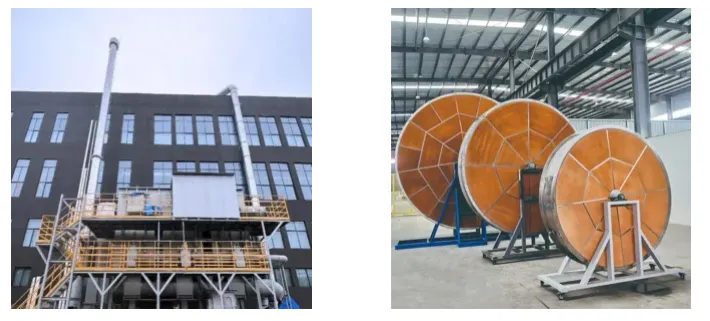

6. Ever-Power Factory Capabilities: Tailored Engineering for Unique Needs
At Ever-Power, we understand that no two pharmaceutical plants are identical. A TCM facility in the humid climate of Queensland requires a different RTO configuration than a plant in the dry heat of Western Australia. Our manufacturing facility is equipped to deliver high-level customization that off-the-shelf competitors cannot match. We specialize in Custom Footprint Design, allowing our RTOs to fit into tight retrofit spaces typical of older pharmaceutical plants. We offer flexible material selection, upgrading standard components to Hastelloy or high-grade Duplex Stainless Steel for waste streams with high acidity or chloride content.
Beyond the hardware, our engineering team provides comprehensive process simulation using Computational Fluid Dynamics (CFD) to ensure optimal airflow and temperature distribution within the oxidation chamber. This is critical for spray drying applications where pressure stability is safety-critical. We also provide complete turnkey services, including the design of the capture hoods, ductwork balancing, and integration with existing LEL (Lower Explosive Limit) safety controls. Whether you need a standalone unit or a fully integrated waste-heat-to-steam system, Ever-Power’s customized fabrication ensures your environmental compliance supports, rather than hinders, your production goals.
7. Customer Success Story
“We installed Ever-Power’s RTO system in our spray drying process, and the results have been amazing. Not only does it handle high humidity and fluctuating airflow with ease, but we also saw a significant reduction in our energy costs.”
“As a pharmaceutical manufacturer in Australia, compliance is critical for us, and Ever-Power’s RTO has helped us stay on top of regulations. It meets all the local environmental standards like the EPA Victoria requirements, and we haven’t had any issues with VOC emissions. It’s reassuring to know we’re not just meeting the regulations but exceeding them.”
“The solvent recovery system integrated into the RTO is great. We’re now able to recover up to 90% of the ethanol, which has helped us reduce raw material costs significantly. It’s a great solution for both compliance and cost-saving.”
“We deal with high concentrations of ethanol in our TCM processes, and safety is always a concern. Ever-Power’s RTO system is equipped with advanced safety features, including real-time LEL analyzers and explosion relief vents, giving us peace of mind that we’re working in a safe environment while still achieving high VOC destruction efficiency.”
“We needed the RTO up and running quickly, and Ever-Power delivered. Their team was on-site for installation and commissioning, ensuring everything was done correctly and efficiently. We’ve had no downtime since the system was installed, and it’s been running smoothly ever since.”
“Ever-Power’s RTO has been a fantastic investment for our facility. The system requires very little maintenance, and the ceramic media lasts a long time, which reduces our ongoing costs. Plus, the energy savings alone give us a solid ROI, and we’re seeing payback in less than two years.”
8. Related Solutions


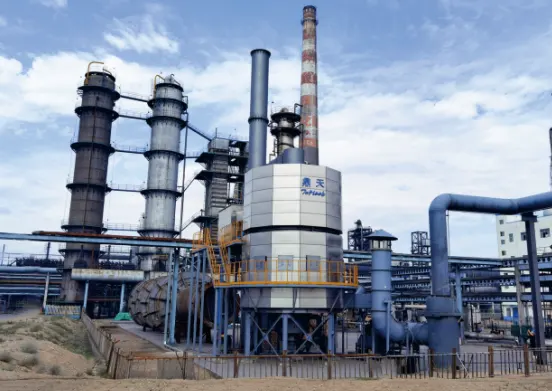

9. Frequently Asked Questions (FAQ)
Q1. How does an RTO handle the high humidity exhaust from a TCM spray drying process without failing?
A1. High humidity is a major challenge. Our RTOs are designed with “anti-condensation” features, including insulated inlet manifolds and a pre-heating cycle that ensures the ceramic bed is above the dew point before process gas enters. We also use stainless steel 316L in critical wet zones to prevent corrosion.
Q2. What is the typical cost difference between an Ever-Power RTO and a European brand for a pharmaceutical plant in Australia?
A2. Generally, an Ever-Power RTO system requires a capital investment that is approximately 30% to 40% of the cost of comparable European or American brands (like Dürr or Anguil). Despite the lower CAPEX, we use the same Tier-1 components (burners, PLCs, valves) ensuring identical performance and longevity.
Q3. Can the RTO system handle the fluctuating airflow caused by batch processing in ethanol precipitation?
A3. Yes, absolutely. We utilize a Variable Frequency Drive (VFD) on the main RTO fan, linked to a pressure control loop. This allows the RTO to automatically adjust its fan speed to match the upstream production fluctuations, maintaining steady pressure in your reaction vessels.
Q4. Does Ever-Power provide installation and commissioning services for RTO projects in Sydney or Melbourne?
A4. We provide a comprehensive service package. While we manufacture the core units efficiently in our factory, we send expert engineers to Australia for on-site supervision of installation, cold/hot commissioning, and operator training to ensure the system is fully compliant with local safety standards.
Q5. How much energy can we actually recover from the RTO to reuse in our spray drying process?
A5. With a secondary heat exchanger installed at the RTO stack, you can typically recover about 50-60% of the exhaust heat energy. This hot air or hot water can be routed back to the spray dryer’s air intake, significantly lowering the fuel required for the drying process itself.
Q6. Which specific Australian safety standards do your RTOs comply with regarding explosive atmospheres?
A6. Safety is paramount. Our systems are designed to align with AS/NZS 60079 (Explosive atmospheres) and NFPA 86 standards. We integrate fast-acting LEL (Lower Explosive Limit) analyzers and fresh air dilution valves to ensure the inlet concentration never exceeds 25% LEL, preventing explosion risks.
Q7. What is the maintenance schedule for the ceramic heat storage media in a TCM application?
A7. In TCM applications where herbal powders might be present, we recommend a “bake-out” (self-cleaning mode) cycle every few weeks to burn off organic buildup. Physical inspection is recommended annually. Our ceramic media typically has a lifespan of 5 to 10 years if properly maintained.
Q8. Can you customize the RTO footprint to fit into an existing, cramped factory space?
A8. Yes, spatial constraints are common in retrofit projects. We offer vertical designs and compact Rotary RTO models that have a significantly smaller footprint than traditional 3-chamber linear designs, making them ideal for factories with limited ground space.
Q9. How do you prevent the ethanol vapors from leaking during the valve switching cycle?
A9. We use a 3-Chamber design or a specialized Rotary Valve. In the 3-Chamber design, one chamber is always in a “purge” mode, ensuring that any untreated gas trapped during switching is blown back into the combustion chamber, guaranteeing zero leakage and >99% destruction efficiency.
Q10. Where can I buy replacement parts like ceramic saddles or poppet valves for my RTO in Australia?
A10. Ever-Power maintains a robust supply chain. We can ship spare parts directly to Australian ports (Sydney, Melbourne, Brisbane) rapidly. Additionally, our components are designed to be compatible with standard industrial specifications, making local sourcing for some generic consumables possible.
Ready to Upgrade Your Pharmaceutical Emission Control?
Don’t let outdated equipment compromise your compliance or efficiency. Partner with Ever-Power for a customized, high-efficiency RTO solution.
Editor: PXY