

1. Summary
In the fast-evolving world of flat panel display (FPD) manufacturing, particularly in polarizer and optical film production, managing volatile organic compound (VOC) emissions is no longer just a regulatory checkbox—it’s a core operational necessity. As a leading provider of regenerative thermal oxidizers (RTOs) tailored for Australian industries, Ever-power(Australia) Co., Ltd. offers solutions that blend efficiency, compliance, and sustainability. This article explores how RTO technology addresses the unique challenges in this sector, with a focus on Australian regulations and global comparisons. For more on our products, visit our classic rotary valve RTO page.
2. Understanding VOC Challenges in FPD Polarizer and Optical Film Manufacturing
FPD polarizers and optical films are essential components in LCD and OLED displays, involving processes like coating, drying, and lamination that release VOCs such as solvents from adhesives and resins. In Australia, where tech manufacturing hubs in Sydney and Melbourne drive innovation, these emissions can impact air quality if not controlled. Our RTO systems destroy up to 99% of VOCs, ensuring clean exhaust while recovering heat for energy savings.
Globally, the industry faces similar issues. In neighboring New Zealand, under the Resource Management Act 1991, emissions from optical film plants must meet strict air quality guidelines. In top FPD-producing nations like South Korea (under the Clean Air Conservation Act), Japan (Air Pollution Control Law), and China (GB 37822-2019 VOC standards), RTOs are increasingly mandatory for high-volume operations. Even in Taiwan, a leader in polarizer tech, the Air Pollution Control Act requires advanced abatement like RTOs to limit benzene and toluene releases.
One unique viewpoint: Integrating RTOs with zeolite wheel concentrators can enhance VOC capture in low-concentration streams common in optical film drying, reducing operational costs by 20-30% in humid Australian climates like Queensland.


3. Australian and Global Regulations for VOC Emissions in the FPD Sector
In Australia, the National Environment Protection (Ambient Air Quality) Measure and state-specific laws like New South Wales’ Protection of the Environment Operations Act 1997 set VOC limits for industrial sources. For FPD plants, emissions must not exceed 50 mg/m³ for total VOCs, with stricter rules in urban areas like Victoria’s Environment Protection Act 2017. Non-compliance can lead to fines up to AUD 2 million.
Neighboring countries like Indonesia (under Government Regulation No. 22/2021 on Environmental Protection) and Papua New Guinea (Environment Act 2000) emphasize VOC controls in emerging electronics manufacturing. In the top 10+ FPD nations, including the US (EPA’s Clean Air Act MACT standards for coating operations), EU (Industrial Emissions Directive 2010/75/EU with BAT requirements), and India (Environment Protection Rules 1986), RTOs are favored for achieving 95-99% destruction efficiency. For instance, South Korea’s Act mandates RTO use in facilities emitting over 10 tons of VOCs annually.
An original insight: As Australia pushes for net-zero by 2050 under the Climate Change Act 2022, combining RTOs with carbon capture tech could offset up to 15% of a plant’s emissions, aligning with global trends in sustainable manufacturing seen in Japan’s Society 5.0 initiatives.
Key VOC Regulations in Top FPD-Producing Countries
| Country | Key Law/Standard | VOC Limit (mg/m³) | RTO Requirement |
|---|---|---|---|
| Australia | Protection of the Environment Operations Act 1997 | 50 (total VOCs) | Recommended for high-emission processes |
| South Korea | Clean Air Conservation Act | 20-50 (industry-specific) | Mandatory for >10 tons/year |
| Japan | Air Pollution Control Law | 40 (benzene equivalents) | BAT for coating lines |
| China | GB 37822-2019 | 20-80 (NMHC) | Required in key regions |
| US | Clean Air Act MACT | 10-50 (HAPs) | Often specified |
| EU (Germany) | IED 2010/75/EU | 20-100 (solvent-based) | BAT reference |
| Taiwan | Air Pollution Control Act | 50 (total VOCs) | Mandatory for electronics |
| India | Environment Protection Rules 1986 | 75 (total hydrocarbons) | Encouraged in new plants |
| Indonesia | Regulation No. 22/2021 | 100 (VOCs) | Required in industrial zones |
| New Zealand | Resource Management Act 1991 | Site-specific | Recommended for air quality |
These regulations highlight why RTOs are essential. In Australia, aligning with local EPA guidelines in states like Queensland or Western Australia ensures seamless operations. For global insights, check our blog for more articles.
4. Trend Analysis: The Future of RTO in FPD and Optical Film Industries
The FPD sector is shifting toward sustainable practices, with RTO technology evolving to meet demands. A key trend is integrating hydrogen fuel burners into RTOs, reducing carbon emissions by 50% compared to natural gas, as seen in pilot projects in South Korea. Another innovation: Pairing RTOs with carbon capture and storage (CCS) systems, potentially cutting a facility’s carbon footprint by 25%, aligning with Australia’s Hydrogen Strategy.
In optical film production, trends favor hybrid RTO-RCO (regenerative catalytic oxidizer) setups for lower temperature operations, saving energy in humid Australian environments. Sustainable analysis shows our RTOs can reduce annual CO2 emissions by 1,000 tons per plant through 95% heat recovery. Emerging: AI-driven predictive maintenance in RTOs, minimizing downtime in 24/7 FPD lines. For details on our company, visit about us.
Unique viewpoint: As FPD moves to flexible substrates, RTOs combined with advanced pre-filters can handle increased silicone-based VOCs, a growing issue in Australian R&D hubs like those in Adelaide.

*Disclaimer: The other brand names mentioned above are provided solely for illustrative purposes. We do not offer original products or equipment bearing these brand names.
5. Ever-Power’s Customized RTO Solutions for Australian FPD Producers
Ever-Power specializes in bespoke RTO solutions for the unique challenges of Australian FPD producers—from high-humidity coastal plants in New South Wales to dust-prone facilities in Western Australia. Our engineering team conducts on-site exhaust profiling to size systems, select alloys for corrosion resistance, and optimize heat recovery based on your utility needs. With service hubs in Sydney and Melbourne, we offer rapid spare parts delivery, operator training in English, and 24/7 remote diagnostics. Unlike generic suppliers, we deliver full turnkey projects including civil works coordination, commissioning, and compliance documentation aligned with NSW EPA or VIC DELWP requirements. Every system is factory-tested before shipment to ensure seamless startup.
Innovation angle: Our RTOs incorporate zeolite concentrators for low-VOC streams, boosting efficiency in optical film drying processes common in Brisbane factories.
7. Customer Success Stories
“We implemented Ever-Power’s RTO system in our optical film production line in Sydney. Since installation, our VOC emissions have been reduced by 99%, and the system’s heat recovery efficiency reaches 96%, significantly reducing energy consumption. The payback period was less than two years, truly excellent value for money.”
”Our factory is located in Queensland, and Ever-Power’s RTO system is perfectly suited to our production needs. The system not only helps us meet Queensland’s stringent environmental standards but also efficiently processes low-concentration VOC exhaust gases, saving energy and reducing emissions.“
“As a manufacturer committed to sustainable development, we decided to upgrade our RTO system to a hydrogen-fueled model. After the upgrade, our carbon emissions were reduced by 50%, a significant step towards our net-zero emissions goal. We are very grateful for the technical support and solutions provided by Ever-Power.”
”In our optical film production line, Ever-Power combined RTO and molecular sieve concentration technology, greatly improving VOC capture efficiency. In the humid environment of Brisbane, this system not only saves operating costs but also ensures continuous and efficient production.“
“We have been using Ever-Power’s RTO for over a year, and the equipment is extremely stable. For our high-precision production requirements, the RTO system is very easy to operate and has exceeded our expectations. With this equipment, we easily meet strict emission standards.”
8. Why Choose Ever-Power for Your RTO Needs in Australia?
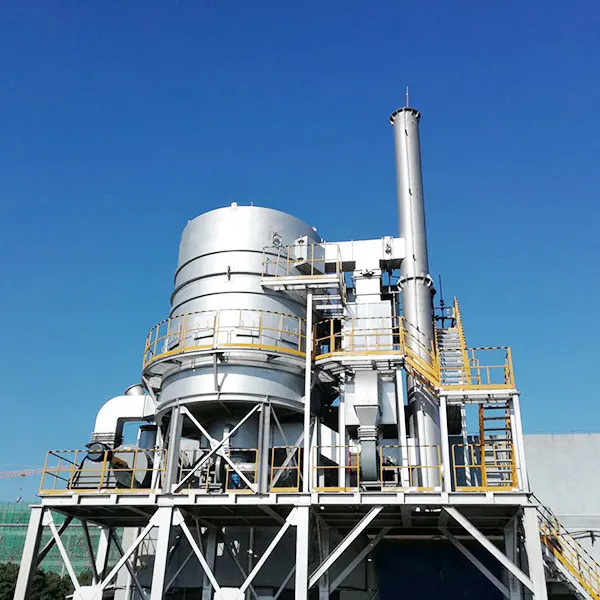
The rotary valve RTO was chosen because of its excellent comprehensive performance. In today’s increasingly stringent environmental regulations, this equipment provides more than 99.5% purification efficiency and 97% heat recovery, helping enterprises achieve sustainable development. Compact design, low cost and high reliability make it stand out. Whether it is a new installation or upgrading an existing system, the rotary valve RTO can meet the needs.
As an industry-leading solution, the classic rotary valve RTO combines innovative technologies such as continuous rotation and efficient sealing to ensure long-term value. The high efficiency rotary valve RTO not only reduces energy consumption, but also improves production efficiency. For users seeking reliable exhaust gas treatment, the rotary valve RTO is an ideal choice, providing a professional and easy-to-understand operating experience.
9. Related Solutions



10. FAQ
Q1. What is the cost of installing an RTO system for optical film production in Sydney, Australia?
A1. Installation costs for RTO systems in Sydney optical film plants typically range from AUD 500,000 to AUD 1.5 million, depending on wind volume and customization; contact us for a free quote.
Q2. How does RTO technology reduce VOC emissions in Australian FPD polarizer manufacturing facilities?
A2. RTO destroys 99% of VOCs through high-temperature oxidation, ensuring compliance with NSW EPA standards in Australian polarizer plants while recovering heat for energy savings.
Q3. Which RTO supplier offers the best price for optical film VOC control in Melbourne, Australia?
A3. Ever-Power provides competitive pricing starting at AUD 300,000 for tailored RTO solutions in Melbourne’s optical film sector; request a detailed supplier quote today.
Q4. Where can I find reliable RTO maintenance services for FPD production in Queensland, Australia?
A4. Ever-Power offers 24/7 maintenance services for RTOs in Queensland FPD plants, with local hubs ensuring quick response times; inquire about our service packages.
Q5. When should Australian optical film manufacturers upgrade to hydrogen-fueled RTO systems?
A5. Upgrade to hydrogen-fueled RTOs when aiming for net-zero goals under Australia’s Climate Change Act, ideal for optical film facilities seeking 50% emission reductions.
Q6. What are the benefits of zeolite concentrators with RTO for polarizer production in Perth, Australia?
A6. Zeolite concentrators boost RTO efficiency by 20% in Perth polarizer plants, handling low-VOC streams and cutting costs; get a custom quote from our experts.
Q7. How much does carbon capture integration cost for RTO in Australian FPD industries?
A7. Adding carbon capture to RTO systems costs AUD 200,000-400,000 for Australian FPD plants, offsetting 25% of emissions; contact for a supplier estimate.
Q8. Which regulations require RTO for optical film VOC governance in South Australia?
A8. South Australia’s Environment Protection Act mandates RTO for high-VOC optical film processes exceeding 50 mg/m³ limits; our suppliers ensure full compliance.
Q9. Where to buy energy-efficient RTO for FPD polarizer lines in Tasmania, Australia?
A9. Purchase from Ever-Power for 95% efficient RTOs suited to Tasmania’s FPD polarizer operations; request pricing and quotes from our local suppliers.
Q10. What is the timeline for RTO installation in Australian optical film manufacturing sites?
A10. Installation timelines for RTO in Australian optical film sites range from 3-6 months, including customization; get a project quote from reliable suppliers like us.
Q11. How to calculate carbon footprint savings with RTO in Brisbane FPD plants?
A11. RTO can save 1,000 tons of CO2 annually in Brisbane FPD plants through heat recovery; our suppliers provide free footprint calculation tools upon quote request.
Q12. Which RTO features are best for humid coastal optical film production in Australia?
A12. Corrosion-resistant alloys and dehumidification pre-filters are key for humid Australian coastal optical film RTOs; inquire about costs from top suppliers.
Editor: PXY
*Disclaimer: The other brand names mentioned above are provided solely for illustrative purposes. We do not offer original products or equipment bearing these brand names.