

Applications of RTO in the Printing Industry
The main pollutants emitted by flexographic printing include low-boiling-point solvents such as ethanol, ethyl acetate, and isopropanol, as well as small amounts of benzene compounds, formaldehyde, and cleaning solvents. Due to the high water content of water-based inks, the relative humidity of the waste gas can reach 50–80%, resulting in low concentrations but large volumes. Printing presses are equipped with drying chambers, using hot air to rapidly dry the ink, leading to continuous emissions. These factors dictate that end-of-pipe treatment equipment needs to operate stably under low-concentration, high-humidity conditions.

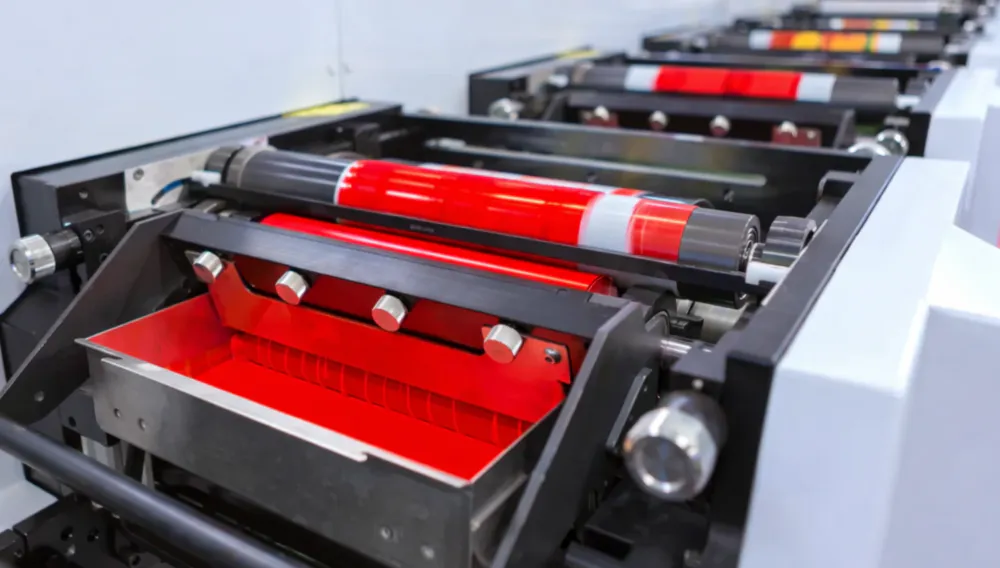
Working principle of printing gas processing

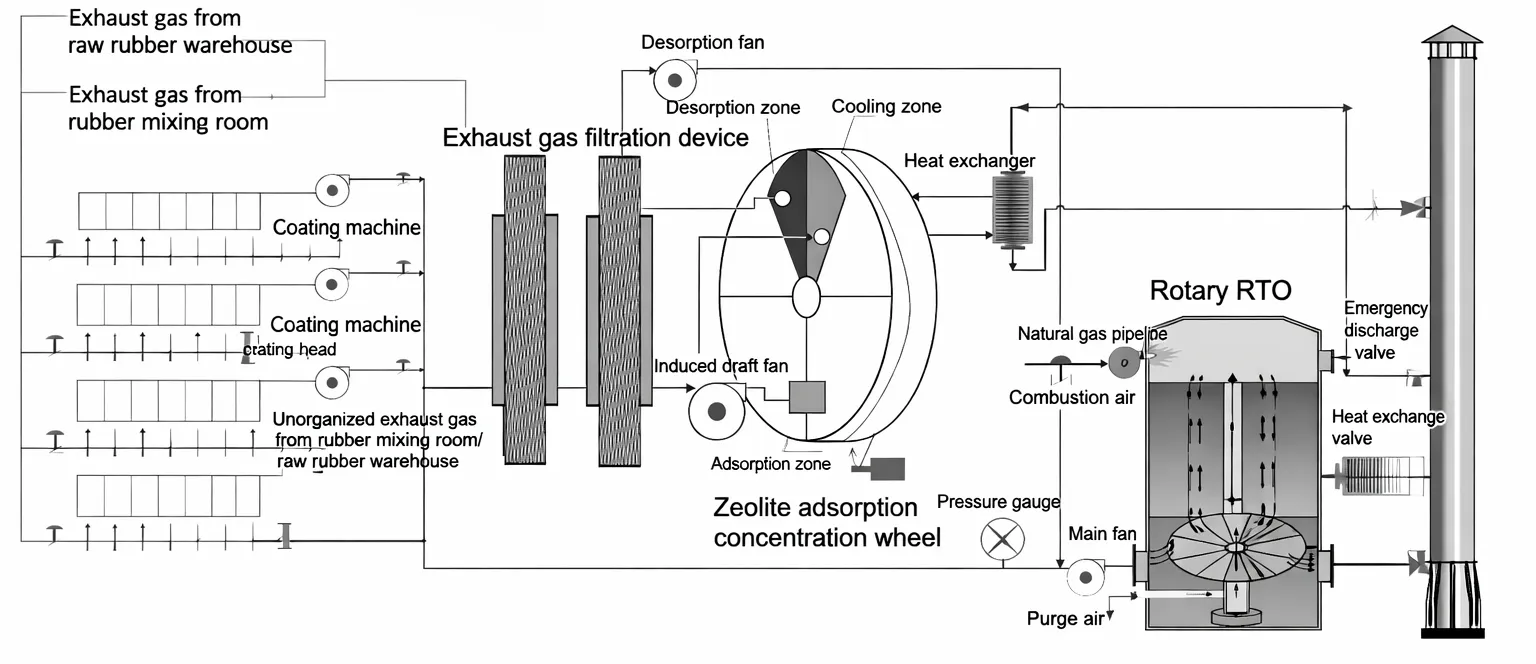
Heating: Polluted air enters the RTO and passes through a hot ceramic bed, heating it to the combustion temperature (800-900°C).
Oxidation: VOCs are oxidized (burned) into CO2 and water.
Cooling & Recovery: The hot, clean air then passes through a second ceramic bed, cooling down and transferring its heat to the ceramic material.
Regeneration: The cycle repeats with different chambers, ensuring a constant, purified air output and maximum heat recovery (up to 95% thermal efficiency).
RTO Requirements and Technology Configuration
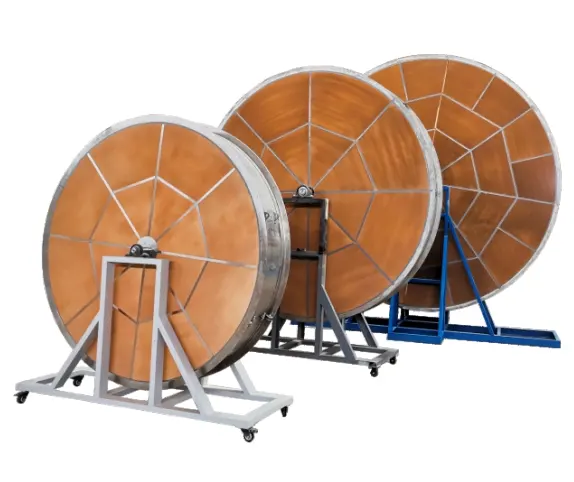
1. Rotary Concentrator: Due to the low concentration and high humidity of exhaust gas from flexographic printing, direct entry into the RTO would lead to excessive energy consumption and potential condensation. Typically, a zeolite rotary concentrator (concentration ratio 10–20:1) is installed before the RTO to adsorb and concentrate large volumes of low-concentration VOCs into small volumes of high-concentration exhaust gas, which is then sent to the RTO for auto-oxidation. This combination can reduce the RTO volume by more than 80% while reducing auxiliary fuel consumption.



2. Three-Bed RTO: The concentrated gas flow typically maintains a range of 2–5 g/Nm³, making a three-bed RTO suitable. The reversing valve uses a sealed structure to reduce leakage, and the ceramic regenerative bed uses honeycomb or structured packing to improve thermal efficiency. To cope with airflow fluctuations caused by printing batch changes, an RTO system with wide turndown capability can be selected.
3. Waste Heat Utilization: The high-temperature purified gas (700–800°C) after RTO treatment can be used to generate steam or hot water in a waste heat boiler for heating the printing drying oven or factory area, achieving energy recovery.
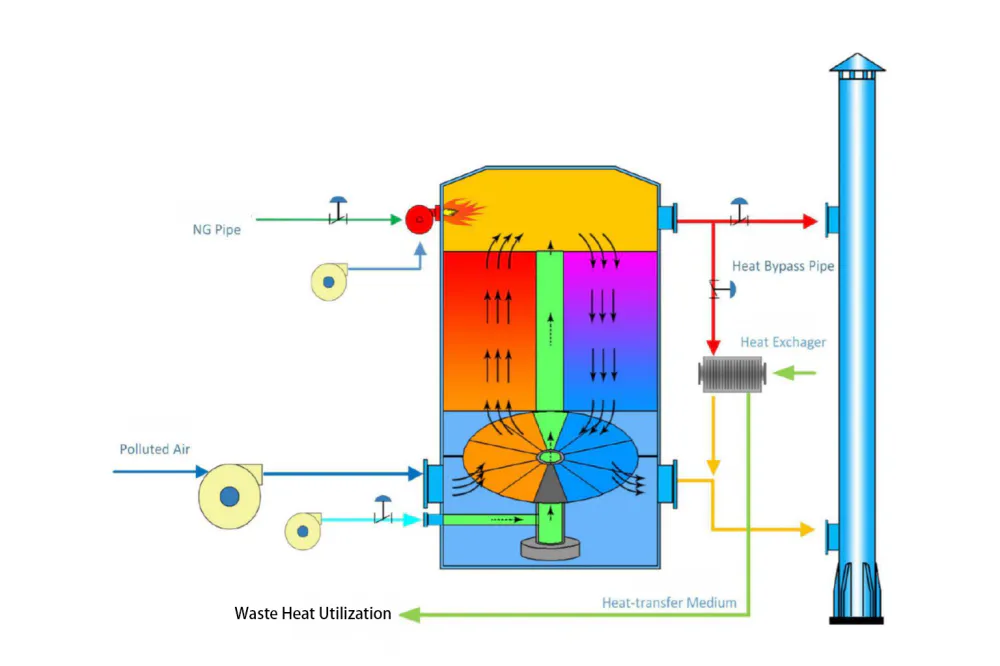
4. Control System: Equipped with solvent concentration monitoring, airflow regulation during plate changing, and LFL protection, it automatically switches to bypass when the printing press stops to prevent cracking caused by a sudden drop in RTO temperature.
Performance Comparison Chart
| Indicator | Type | Remarks | ||
|---|---|---|---|---|
| 2-Chamber RTO | 3-Chamber RTO | Rotary RTO | ||
| Technology Generation | First Generation | Second Generation | Third Generation | |
| Number of Heat Storage Chambers | 2 | 3 | 12 | |
| Purification Efficiency | 95% | 99% | 99.5% | |
| Land Area | 100% | 130% | 65% | Based on two-chamber |
| Weight | 100% | 150% | 80% | Based on two-chamber |
| Cost | 100% | 150% | 130% | Based on two-chamber |
| Number of Valves | 4 | 9 | 1 | Failure Rate |
| Maximum Treatment Concentration | <1g | <5g | <10g | 50mg/m³ Emission Standard |
Rotary RTO, Third-Generation Technology Product – Features
Rotary RTO, Third-Generation RTO With 12 Chambers
Small footprint
High thermal efficiency
High purification efficiency
Minimal pipeline pressure fluctuations
Low maintenance frequency and costs
Why You Needs RTO?

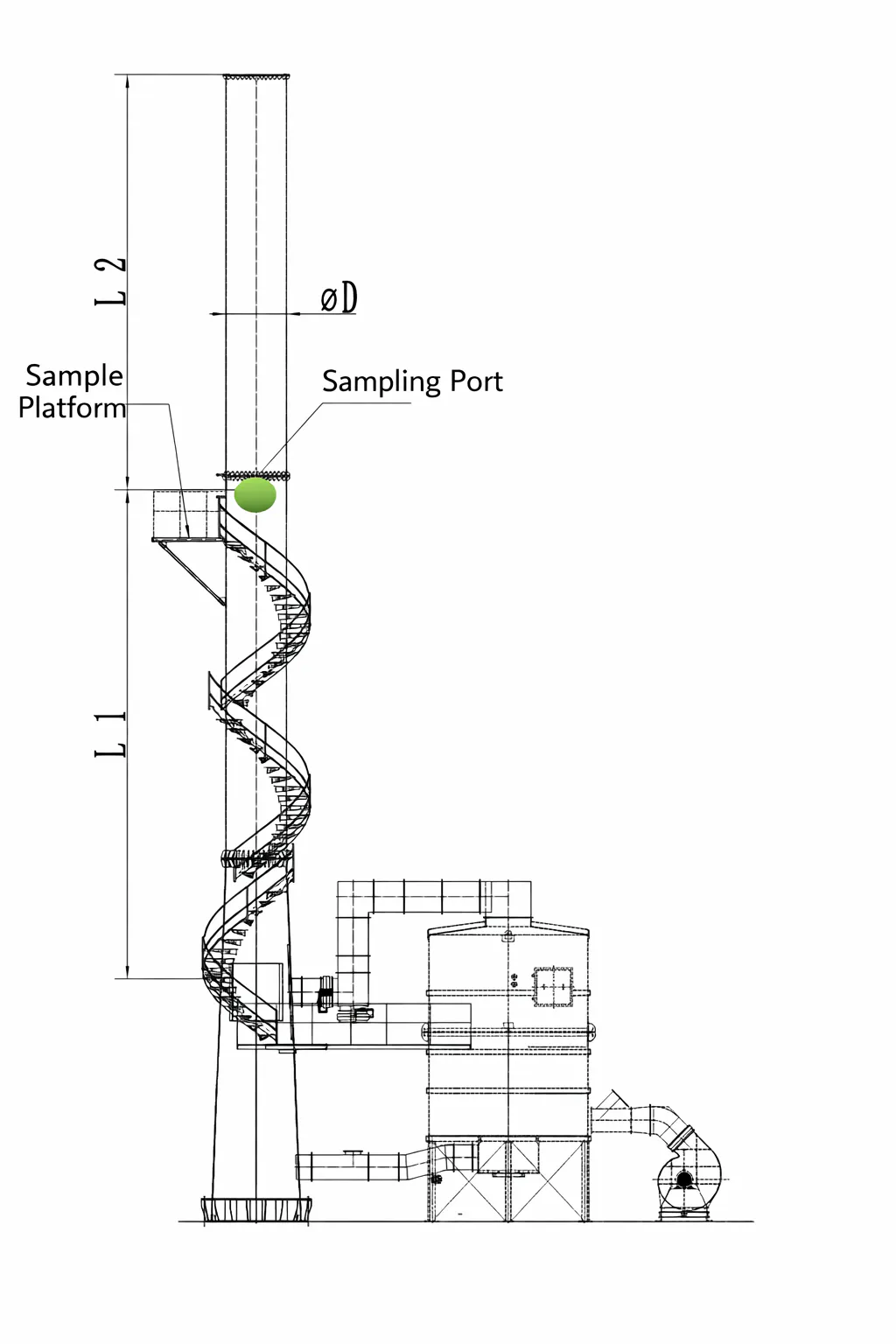
The flexographic printing industry in Australia thrives on producing high-volume packaging for exports to markets like Asia and the Pacific, but it faces unique challenges due to the country’s diverse climates and regulatory landscape. In humid coastal areas like Brisbane, Queensland, the high moisture content in exhaust streams from drying ovens can complicate VOC capture, leading to condensation issues in traditional systems.
Our RTOs address this by incorporating advanced dehumidification pre-treatments, ensuring stable operation even in Perth’s dry, dusty environments in Western Australia. The industry’s reliance on water-based and solvent-based inks generates waste gases with concentrations ranging from 1-10 g/Nm³, often including sticky particulates that can clog equipment. From Melbourne’s innovative print houses focusing on sustainable labels to Sydney’s large-scale operations for food packaging, the need for reliable emission control is paramount. We’ve observed in cases across Victoria that without proper handling, these gases contribute to ozone formation, violating local EPA guidelines. Our solutions mitigate this by oxidizing pollutants at high temperatures, turning potential hazards into harmless byproducts like CO2 and water vapor.
In regional areas such as those in South Australia or the Northern Territory, where printing facilities support agricultural packaging, the intermittent nature of operations poses another challenge. Batch printing runs create fluctuating gas flows, which our RTOs handle through variable frequency drives on fans, maintaining efficiency without excessive energy draw.
Why Choose Us?
1. Localized Solution: Addressing the low-concentration, high-humidity characteristics of flexographic printing, Ever-Power has independently developed a zeolite rotor with excellent hydrophobic properties, suitable for subtropical and tropical regions; its modular design adapts to varying production capacity requirements.
2. Cost and Energy Advantages: Compared to European and American RTOs, Ever-Power reduces equipment investment and maintenance costs by approximately 20%, and saves energy through optimized regenerative bed and combustion control.
3. High-Efficiency Waste Heat Utilization: The company provides waste heat boilers and hot air recovery systems for printing drying and factory heating, increasing customers’ energy savings.
4. Rapid Response Service: With local agents in Southeast Asia, Africa, and South America, Ever-Power provides 24/7 after-sales service and timely spare parts supply.



FAQ:
Q1. Will the RTO affect the quality of printed products?
A1: The RTO is an end-of-pipe treatment device that operates within the exhaust system and does not directly contact the printing press. Through a well-designed duct layout and negative pressure management, the printing process remains stable and undisturbed.
Q2: Will high-humidity exhaust gas cause condensation on the RTO?
A2: Our solution first adsorbs solvent and removes moisture using a zeolite rotor before sending the concentrated exhaust gas into the RTO. The RTO itself features an insulated structure and a condensate exhaust system to prevent condensation and corrosion.