


What Is an Elevated Flare System?
An elevated flare is a vertical stack that safely combusts hydrocarbon vapours released from process upsets, emergency depressurisation, start-up purges and routine venting. The flare tip is positioned high enough above grade to keep ground-level radiation, noise and sound pressure within the limits set by API 521 / ISO 23251 and Australian site permits. For operators across Gladstone, Kwinana, Geelong and the Surat Basin, the elevated flare is the last line of defence between an over-pressured process and the atmosphere — which is why specification choices matter.
Ever-power supplies two core configurations of elevated flare: the three-path steam-assisted flare for hydrocarbon-rich, smoke-prone streams, and the pipe flare for low-calorific or sonic-velocity duties. Both ship as fully integrated packages with pilot, ignition, knock-out drum, molecular seal and instrumentation. Engineering, fabrication, factory acceptance testing and on-site commissioning are handled by a single point of accountability.
Product Range
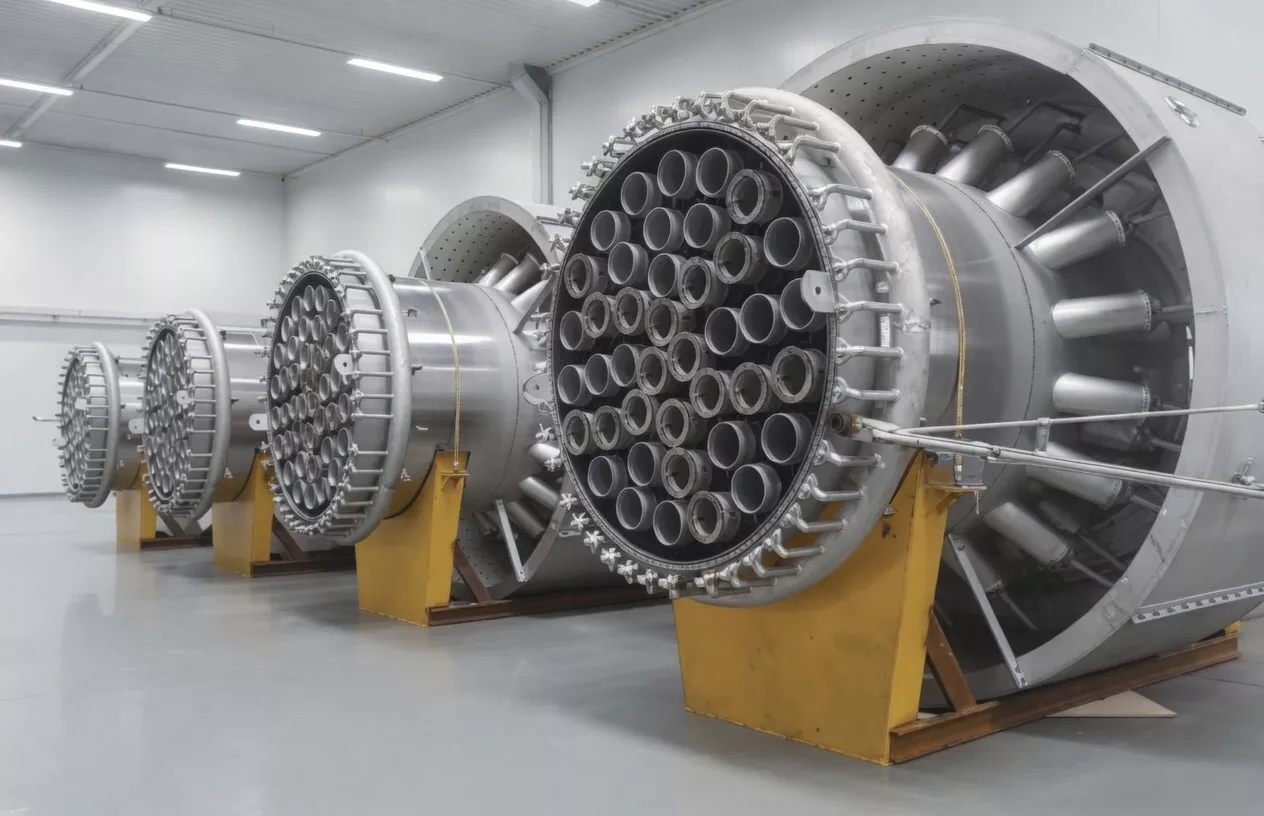

Three-Path Steam Flare
A non-premixed flare tip that uses medium-pressure steam to entrain combustion air directly into the flare gas at the tip exit. The patented three-path nozzle geometry achieves smokeless combustion while cutting steam consumption by more than 35% compared with conventional centre-steam designs.
- Destruction efficiency: 99.7%
- Steam saving: >35% versus baseline
- Mechanical service life: up to 15 years at 0–100% load
- Best for: heavy/unsaturated hydrocarbons, refinery FCC off-gas, ethylene plants
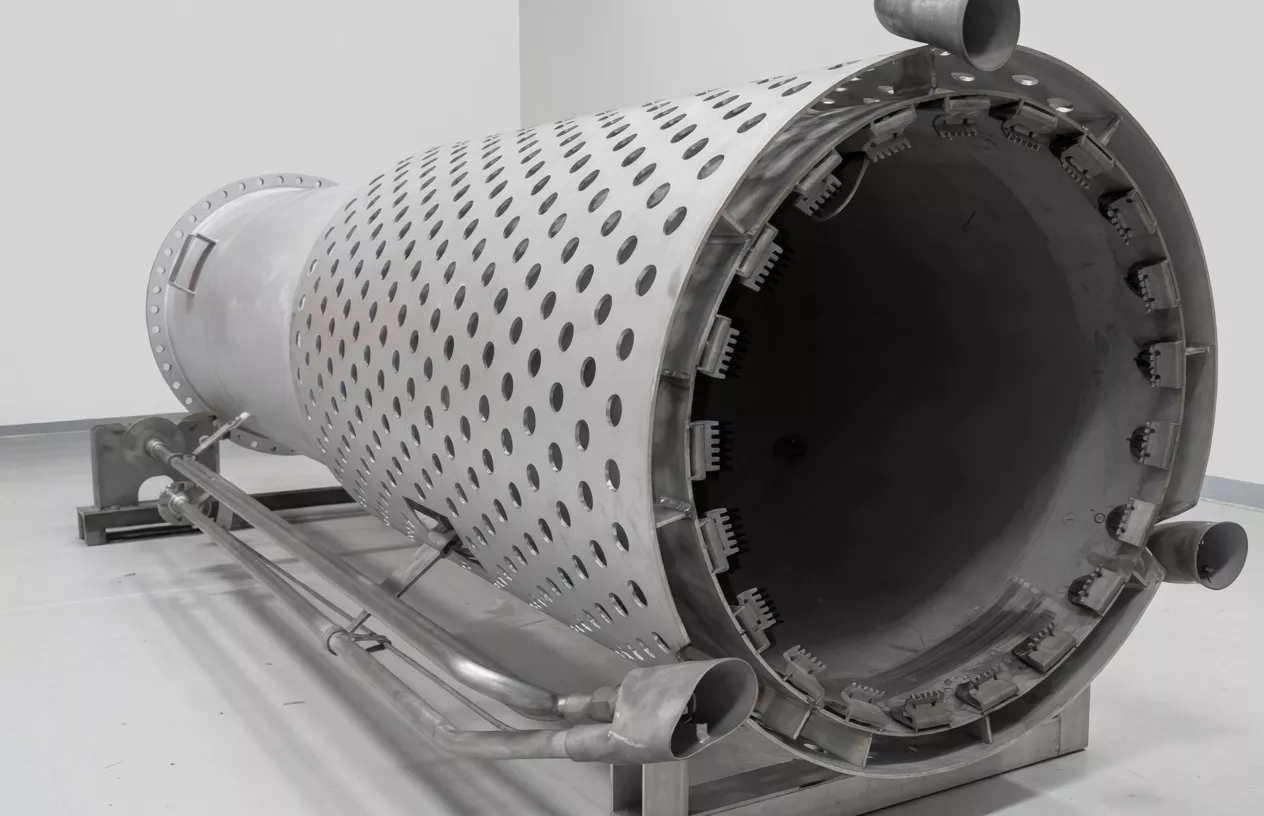
Pipe Flare
An unassisted flare tip optimised for low-calorific value gases and a wide turndown band — from low-pressure purge flow to high-pressure sonic discharge. With no steam or air assist required, the pipe flare delivers the lowest operating cost in the elevated flare family while still achieving 99.7% hydrocarbon destruction.
- Destruction efficiency: 99.7%
- Turndown: purge to sonic velocity
- Operating cost: lowest in class — no utilities
- Best for: biogas, landfill gas, lean tail gas, emergency relief duty
Technical Specifications
| Parameter | Three-Path Steam Flare | Pipe Flare |
|---|---|---|
| Hydrocarbon destruction efficiency | 99.7% | 99.7% |
| Smokeless capacity | Up to 100% of design flow | Inherent (low-MW gases) |
| Operating turndown | 0–100% load | Purge to sonic |
| Typical capacity | Up to 1,500 t/h flare gas | Up to 800 t/h flare gas |
| Stack height (typical) | 30 m – 120 m | 15 m – 90 m |
| Tip materials | SS 310/253 MA / Hastelloy | SS 310 / SS 316 |
| Steam consumption | 0.15–0.25 kg steam / kg HC | Not required |
| Ignition | FFG with redundant pilots | FFG with redundant pilots |
| Design code | API 537 / API 521 / ISO 25457 | API 537 / API 521 / ISO 25457 |
Engineering Features That Move the Needle
Patented Tip Geometry
Three-path nozzle distributes steam into discrete velocity shells, maximising air entrainment per kilogram of steam. The result is documented 35%+ steam reduction at full smokeless rating — a meaningful OPEX line item over a 15-year asset life.
Flame Stability Across Turndown
Velocity-seal molecular seal plus continuously monitored pilots maintain flame stability from purge flow to design relief, eliminating flame-out risk during low-rate venting events.
Material Engineering
Heat-affected zone in SS 310 or 253 MA; non-heat zone in carbon steel with high-temperature coating. Tip life is verified by FEA thermal cycling and full-scale flame radiation testing.
Smart Pilot & Ignition
Flame-front generator with thermocouple and ionisation rod redundancy, optional UV/IR detection. Pilot fuel consumption is minimised through self-inspirated venturi design per ISO 25457.
Knock-Out Drum & Seal
Liquid removal upstream of the tip protects against burning droplets and tip damage. Liquid seal and molecular seal options prevent flashback and air ingress.
Compliance Documentation
Each elevated flare ships with complete API 521 sizing calculations, radiation contour modelling, dispersion analysis, and an as-built data book ready for regulatory submission to the relevant Australian state EPA.
Applications Across Australian Industry
- LNG & gas processing: Gladstone, Curtis Island, Darwin, Karratha — pressure relief and dry-out flaring during commissioning and turnaround.
- Oil refineries: Lytton, Geelong, Kwinana — FCC off-gas, depressurisation and sour-water stripper venting.
- Petrochemical & olefins: ethylene cracker emergency relief, polymer plant blow-down.
- Coal-seam gas & upstream: Surat and Bowen Basin well-pad and central processing facility relief.
- Mining & chemical manufacturing: ammonia, methanol, sulphur recovery tail-gas.
- Biogas & landfill: low-calorific lean-gas duty, aligned with NGER reporting.
Why Choose Ever-power
| Decision Criterion | Ever-power Advantage |
|---|---|
| Track record | More than two decades of combustion engineering, hundreds of flare references across refining, LNG and petrochemical markets. |
| In-house IP | Patented three-path tip and proprietary CFD design library — not a re-badged third-party tip. |
| Single-source EPC | Process design, fabrication, instrumentation, FAT, site supervision and commissioning under one contract. |
| Lifecycle economics | 35% steam reduction translates to documented six-figure annual OPEX savings on a typical 50 t/h refinery flare. |
| Australian project support | Local project managers, regional spares stocking, AS/NZS-aligned documentation, and integration with site HAZOP/SIL studies. |
| After-sales | Inspection, refurbishment, tip replacement and 24/7 technical support — learn more about our team on the company page. |
Australian Project Highlights
QLD CSG Central Processing Facility
Location: Surat Basin, Queensland | Year: 2024
Ever-power supplied a 60 m three-path steam flare for emergency relief duty on a 220 TJ/d coal-seam gas processing facility. The tip replaced a legacy centre-steam design and reduced annual steam draw by 1,860 tonnes, freeing capacity at the existing utility boiler.
Outcome: Smokeless to 100% relief flow, EPA Queensland licence variation approved on first submission.
WA LNG Liquefaction Train
Location: Pilbara, Western Australia | Year: 2023
A high-pressure pipe flare package was engineered for end-flash gas duty during commissioning and routine venting. Sonic-velocity tip exits ensured smokeless operation without steam injection at a remote site where steam capacity was unavailable.
Outcome: Six-month delivery from purchase order; FAT witnessed and accepted with zero punch-list items.
Frequently Asked Questions
A steam-assisted flare uses medium-pressure steam to entrain combustion air, delivering smokeless burn for heavy or unsaturated hydrocarbons. A pipe flare uses gas exit velocity and natural buoyancy — cheaper to run, best for lighter or low-calorific streams.
Stack height follows API 521 radiation methodology so ground-level radiation, sound and dispersion stay within site permit limits. Australian projects typically land between 30 m and 120 m.
Every package ships with API 537 mechanical certification, API 521 sizing, radiation contour plots and a 99.7% destruction efficiency dossier — the standard pack used to support EPA approval in QLD, WA, NSW and VIC.
Mechanical components on the three-path tip are rated up to 15 years across the full 0–100% load envelope. Pilots and ignition modules typically refurbish on a 5–7 year cycle.
Tip-only deliveries: 14–18 weeks. Full elevated flare packages with stack, KO drum and instrumentation: 28–36 weeks from purchase order.
Yes — tip retrofits are a regular scope. We review the existing structure aerodynamically and mechanically, then supply a drop-in tip to restore destruction efficiency or cut steam draw.
Yes. Our project managers mobilise to site for installation supervision, cold and hot commissioning, performance testing and operator training. Spares are stocked regionally to keep mean-time-to-repair short.
Ready to Specify Your Elevated Flare?
Send us your relief load, gas composition and site constraints. You will receive an engineered datasheet, indicative pricing and Australian-compliant documentation pack within five working days.