


The Ultimate Three-Waste Incinerator System
Industrial manufacturing, chemical processing, and hazardous waste treatment centres generate complex, multi-phase waste streams. Relying on separate disposal systems for liquids, solids, and sludges is highly inefficient, requires massive capital expenditure, and multiplies your maintenance overheads. To solve this, Australian facilities require a unified, highly versatile thermal destruction solution.
The Ever-power Three-Waste Incinerator is the definitive answer for the harmless, centralised disposal of hazardous waste. While it serves as a world-class, high-capacity waste liquid incinerator, its proprietary engineering allows it to go much further. Our equipment can incinerate multiple types of hazardous waste either simultaneously or separately.
Whether you are processing highly toxic medical waste, dense solid refuse, pumpable liquids, semi-solid sludges, colloidal materials, salt residues, or aggressive chemical residues, this system handles them all within a single, EPA-compliant platform. It is the premier upgrade and replacement of conventional single-purpose thermal oxidisers. Discover our broader capabilities on our home page.

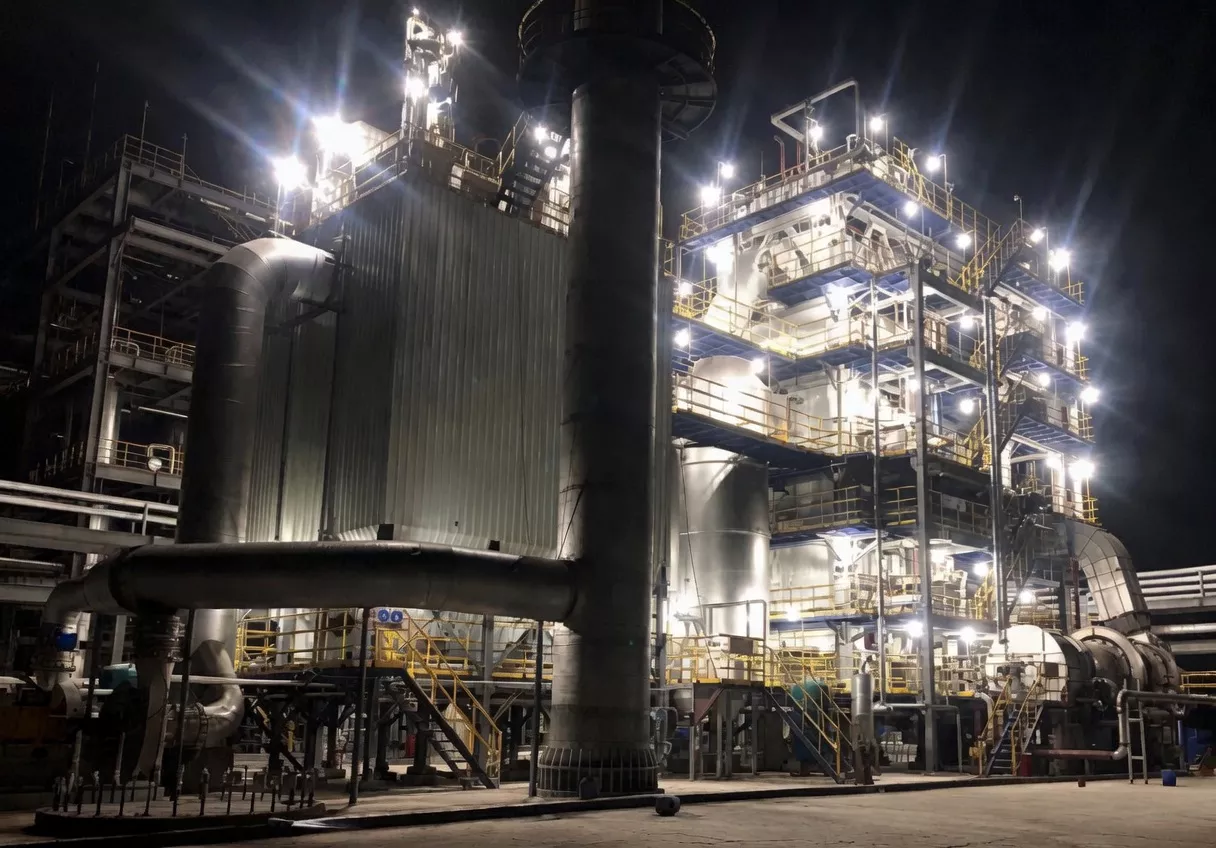
Comprehensive Waste Stream Management
The brilliance of the Ever-power system lies in its adaptability. By integrating dedicated feeding mechanisms into a unified combustion chamber, this advanced waste liquid incinerator safely manages the complete spectrum of industrial refuse generated by the medical and chemical industries.
💧 Highly Toxic Liquids
Operating primarily as a premium waste liquid incinerator, the system utilises high-shear, anti-clogging dual-fluid atomisation nozzles. It instantly vaporises and oxidises high-concentration organic wastewater, chemical solvents, and complex liquid effluents, guaranteeing 99.99% destruction of all volatile organic compounds (VOCs).
🪨 Solid & Medical Waste
Equipped with automated hydraulic ram feeders, the incinerator safely introduces bulk solid chemical residues, contaminated packaging, and hazardous medical waste directly into the primary combustion hearth, ensuring safe, contactless, and continuous processing without exposing operators to biohazards.
🛢️ Sludge & Colloidal Materials
Thick, viscous refinery sludges, salt residues, and semi-solid colloidal materials that typically choke standard equipment are effortlessly handled. Specialised pumping and extrusion systems feed these difficult materials into the high-temperature zone, where intense thermal radiation ensures rapid drying and complete oxidation.
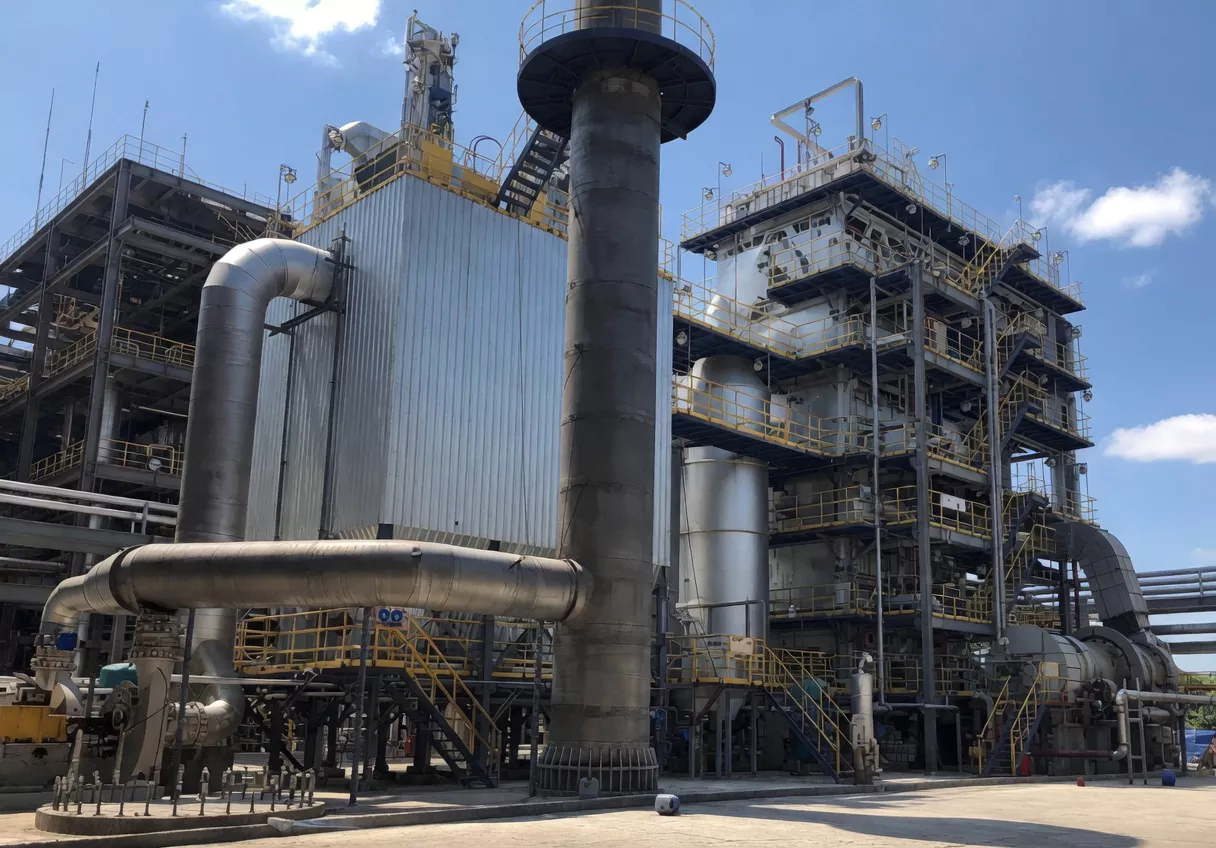
Why Upgrade to a Multi-Waste Liquid Incinerator?
Maintaining separate disposal streams is a logistical nightmare and a massive financial drain. Relying on an outdated legacy system or a generic replacement of [Brand] rotary kilns exposes your facility to significant regulatory risks and exorbitant maintenance downtime.
By consolidating your disposal processes into the Ever-power Three-Waste system, you unlock powerful operational synergies. The system intelligently balances the fluctuating calorific values of different waste streams. For instance, high-calorific waste liquids can be atomised to sustain the combustion temperature required to safely dry and incinerate low-calorific, high-moisture sludges.
This simultaneous combustion capability drastically reduces your reliance on expensive auxiliary fuels (like natural gas or diesel), accelerating your return on investment (ROI) while ensuring absolute compliance with strict Australian emission protocols.
Technical Specifications & Operating Parameters
To handle such diverse chemical properties and physical states, a waste liquid incinerator must be built to exacting standards. The table below outlines the heavy-duty specifications of our standard multi-waste systems, designed specifically for rigorous continuous operation in hazardous waste treatment centres.
| Parameter | Specification Range | The Ever-power Advantage |
|---|---|---|
| Total Processing Capacity | 500 kg/h to over 20,000 kg/h | Highly scalable. Engineered for high-throughput, centralised hazardous waste disposal hubs. |
| Primary Chamber Temperature | 850 °C to 1000 °C | Optimised for the stable gasification of solids and the evaporation of high-moisture sludges. |
| Secondary Chamber Temperature | 1100 °C to 1250 °C | Guarantees the complete thermal destruction of resilient chemical residues and complex aromatic rings. |
| Gas Residence Time | > 2.0 Seconds | Strict volumetric design ensures total DRE and prevents the de novo synthesis of toxic dioxins/furans. |
| Atomisation Technology | Multi-stage Pneumatic Lances | Allows this unit to function as a premium waste liquid incinerator, preventing nozzle blockages. |
| Waste Heat Recovery | 1.0 MPa to 4.0 MPa Saturated Steam | Integrated boilers transform the intense heat of multi-waste combustion into profitable process utility. |
Why Choose Ever-power for Your Australian Facility?
Entrusting the disposal of highly regulated medical and chemical waste to inexperienced vendors is a catastrophic financial and legal risk. Ever-power delivers absolute Experience, Expertise, Authoritativeness, and Trustworthiness (E-E-A-T) in the design and delivery of mission-critical thermal oxidation infrastructure.
✔ Proven Engineering Pedigree
With an extensive portfolio of successful global installations, we hold numerous patents in multi-phase combustion and refractory anti-corrosion protection. Learn more about our authoritative history on our company page.
✔ Unwavering EPA Compliance
We intimately understand the regulatory landscape of Australia. Our systems are engineered with advanced Continuous Emissions Monitoring Systems (CEMS) to guarantee compliance with NPI, EPA Victoria, and NSW EPA limits for heavy metals, acid gases, and particulates.
✔ Bespoke Refractory Solutions
Burning salt residues and chemical sludges rapidly destroys standard bricks. We utilise proprietary multi-layered, high-alumina and chrome corundum linings designed specifically to withstand the severe alkali and acid attacks unique to multi-waste incineration.
✔ Localised Turnkey Support
From initial 3D CAD modeling to final hot-commissioning on Australian soil, Ever-power is your single-source partner. We collaborate with local contractors to ensure seamless installation, operator training, and rapid spare parts availability.
Australian Project Case Studies
Centralised Hazardous Waste Hub in NSW
The Challenge: A major commercial waste treatment centre in Sydney was struggling to process incoming medical waste alongside highly toxic industrial solvents. Their existing setup (a direct replacement of standard solid waste incinerators) frequently choked on sludges, causing unacceptable downtime and EPA scrutiny.
The Solution: Ever-power deployed a massive three-waste incinerator capable of continuous 24/7 operation. The system featured dual-fluid atomisers for the liquid streams and a heavy-duty hydraulic pusher for the boxed medical waste, all feeding into a massive primary rotary hearth.
The Result: The facility achieved a 40% increase in total throughput capability. By utilising the high calorific value of the incoming waste liquids to burn the wetter sludges, they slashed their supplementary natural gas consumption by over $600,000 AUD annually.
Chemical Manufacturing Plant in Queensland
The Challenge: A petrochemical plant generated large quantities of heavy colloidal materials, toxic salt residues, and complex chemical effluents. They urgently needed a highly capable waste liquid incinerator that wouldn’t fail when semi-solid lumps were introduced into the feed line.
The Solution: We engineered a bespoke multi-waste solution. The system was fitted with specialised progressive cavity pumps for the colloidal sludge and advanced anti-corrosion refractory to resist the aggressive salt residues during high-temperature oxidation.
The Result: Zero Liquid Discharge (ZLD) and zero solid waste to landfill was achieved. The plant successfully synthesised their disposal streams, effectively eliminating third-party hazardous waste hauling fees completely.
Frequently Asked Questions (FAQ)
Can we truly feed solid, liquid, and sludge waste simultaneously?
Yes. This is the defining feature of the three-waste system. The incinerator is equipped with multiple, independent feed ports. High-calorific waste liquids are atomised through burner lances, while solid/medical waste is pushed via hydraulic rams, and sludge is extruded via pumps. The advanced PLC system actively monitors the internal temperature and oxygen levels, automatically adjusting the feed rates of the different streams to maintain perfectly stable, optimal combustion.
Is this unit as effective as a dedicated waste liquid incinerator?
Absolutely. When operating on liquid feedlines, it functions precisely as an elite, high-capacity waste liquid incinerator. The dual-fluid atomisation technology ensures liquids are sheared into micro-droplets for instantaneous vaporisation. The massive volume of the secondary combustion chamber ensures all vaporised VOCs undergo complete thermal destruction at temperatures above 1100°C.
How do you manage the highly corrosive salt residues and chemical slags?
Standard incinerators experience rapid refractory failure when burning salts due to alkali metal penetration. Ever-power combats this by utilising dense, highly specialised multi-layer refractory linings (such as chrome corundum). Furthermore, the primary hearth is designed to safely handle and continuously discharge molten or dry ash without clogging the critical air injection ports.
What kind of flue gas treatment is required to meet EPA standards?
Because medical and chemical wastes produce aggressive off-gases (like HCl, SOx, and heavy metals), we integrate a comprehensive, multi-stage Air Pollution Control (APC) train. This typically includes a rapid evaporative quench tower (to prevent dioxin formation), dry sorbent injection (DSI) for acid gas neutralisation, activated carbon injection for heavy metals, and high-temperature PTFE baghouse filters to capture all particulate matter.
Can we recover energy from this multi-waste incineration process?
Yes, and it is highly recommended. The intense heat generated in the secondary combustion chamber is incredibly valuable. We seamlessly integrate waste heat recovery boilers immediately downstream. This captures the thermal energy from the clean exhaust gas to generate high-pressure saturated or superheated steam, which can be routed directly back into your manufacturing processes or used for power generation.
What is the first step to evaluating this system for our facility?
The first step is a thorough data analysis. Reach out to us via our contact page and provide the chemical composition, calorific values, moisture content, and volume of your various solid, liquid, and sludge waste streams. Our engineering team will then provide a preliminary sizing, utility consumption estimate, and equipment proposal.
Ready to Optimise Your Waste Disposal Infrastructure?
Do not let the complexities of multi-phase medical and chemical waste drive up your operational costs and regulatory risks. Consolidate your disposal processes with Ever-power’s reliable, fully EPA-compliant three-waste incinerator system.
Reach out today for a confidential review of your hazardous waste data and secure a comprehensive thermodynamic simulation.