PM2.5 Gas Treatment
Advanced RTO Gas Treatment for Acidic Emissions in Australia
Noxs
Odor
Haps
PM 2.5
Wam
Acidic Gas
PM2.5 gas treatment solution
– RTO
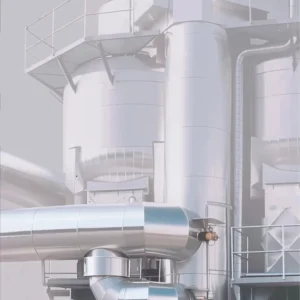
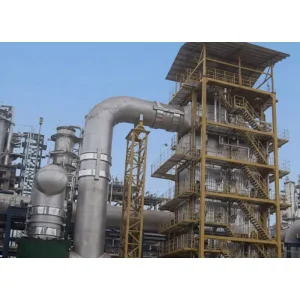
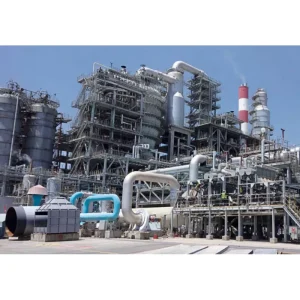
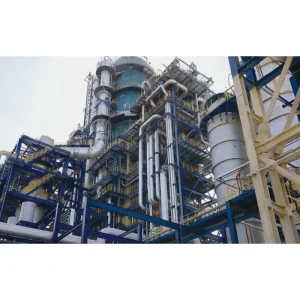
A Regenerative Thermal Oxidizer (RTO) is an advanced air pollution control technology used to treat volatile organic compounds (VOCs), hazardous air pollutants (HAPs), and odorous gases that are released from industrial processes. This technology is widely used in industries such as chemical manufacturing, pharmaceuticals, food processing, and painting operations. It works by thermally oxidizing pollutants at high temperatures, transforming them into carbon dioxide and water vapor, which are then safely released into the atmosphere.
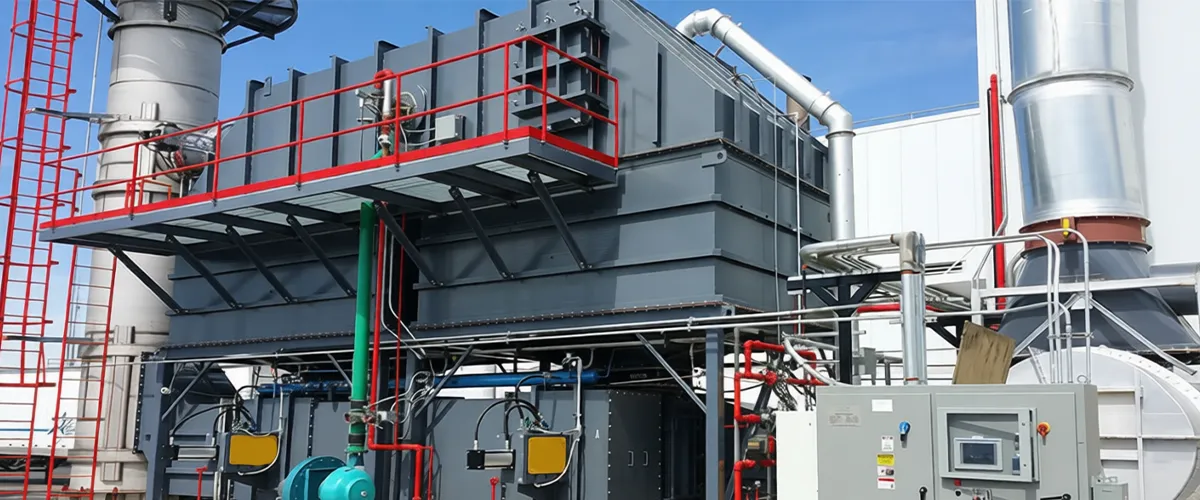
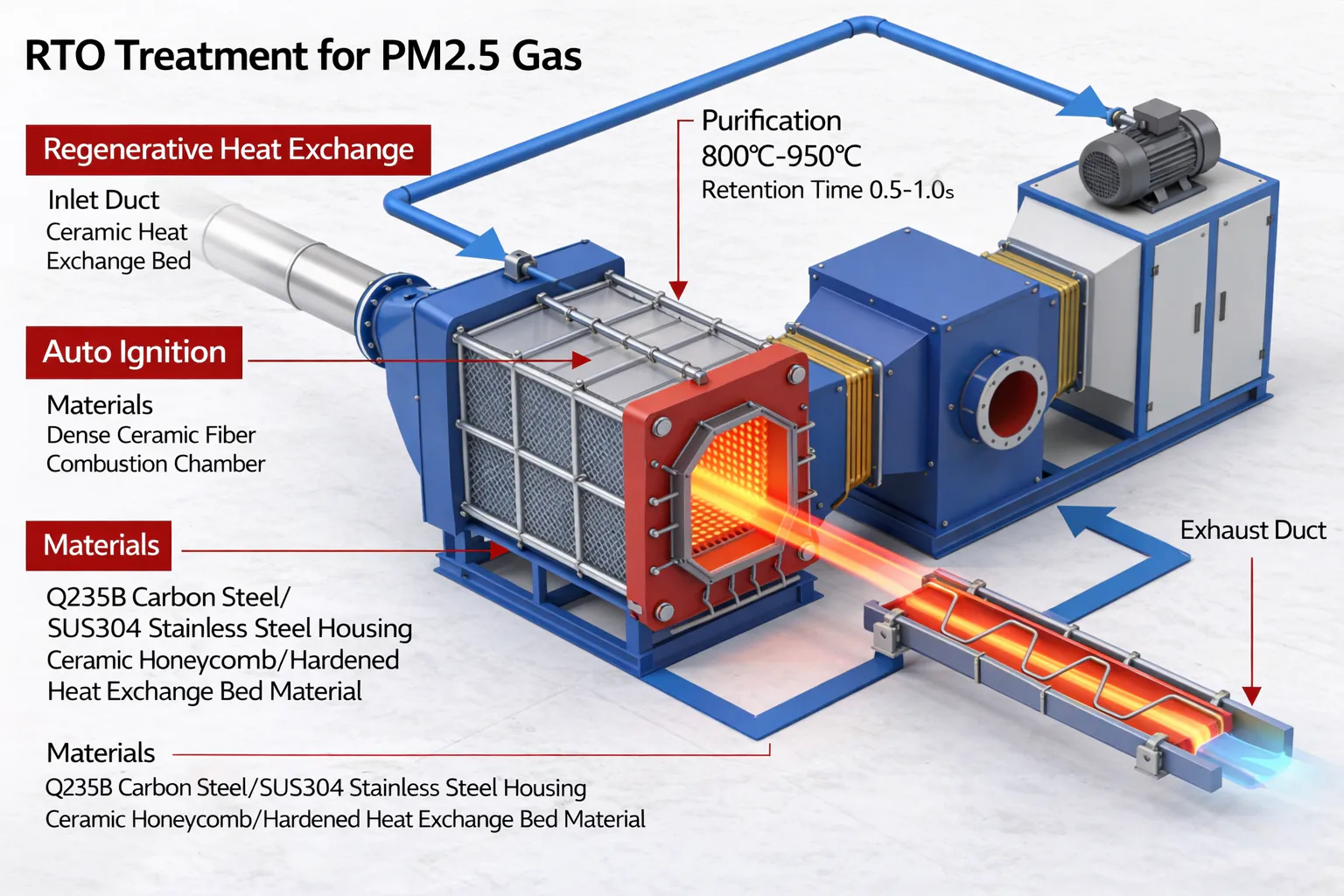
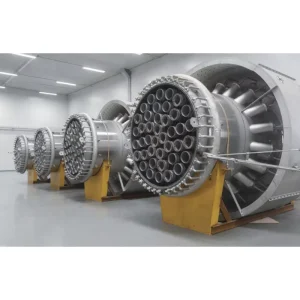
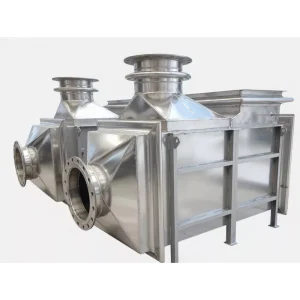
The heat exchange media consists of structured ceramic honeycombs or saddles, selected specifically to minimize pressure drop and resist clogging from particulate matter, ensuring a long service life and reduced maintenance costs for your rto system.
Working Principle:
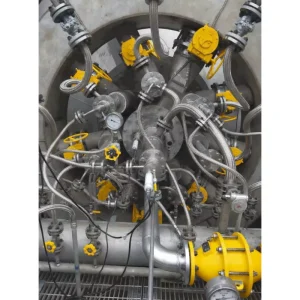
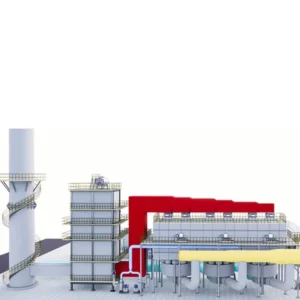
The core efficacy of our rto equipment lies in its regenerative heat exchange capabilities. The process begins when the pollutant-laden process gas is directed into the RTO through an inlet manifold. It passes through a hot ceramic heat exchange bed, which preheats the gas to near-combustion temperatures. This preheating is crucial for fuel economy; often, the calorific value of the solvent in the gas is sufficient to sustain combustion without auxiliary fuel, a state known as auto-thermal operation. Once in the combustion chamber, the gas is held at high temperatures (typically 800°C to 950°C) for a specific residence time (usually 0.5 to 1.0 seconds) to ensure complete oxidation of VOCs and destruction of organic PM2.5 components. The purified, hot gas then exits through a second ceramic bed, transferring its thermal energy to the ceramic media to be used for the next cycle of incoming gas.
Regarding material composition, EVER-POWER utilizes premium-grade materials to ensure longevity. The combustion chamber is lined with high-density ceramic fiber modules for superior insulation, while the shell is constructed from Q235B carbon steel or SUS304 stainless steel, depending on the corrosivity of the RTO flue gas.

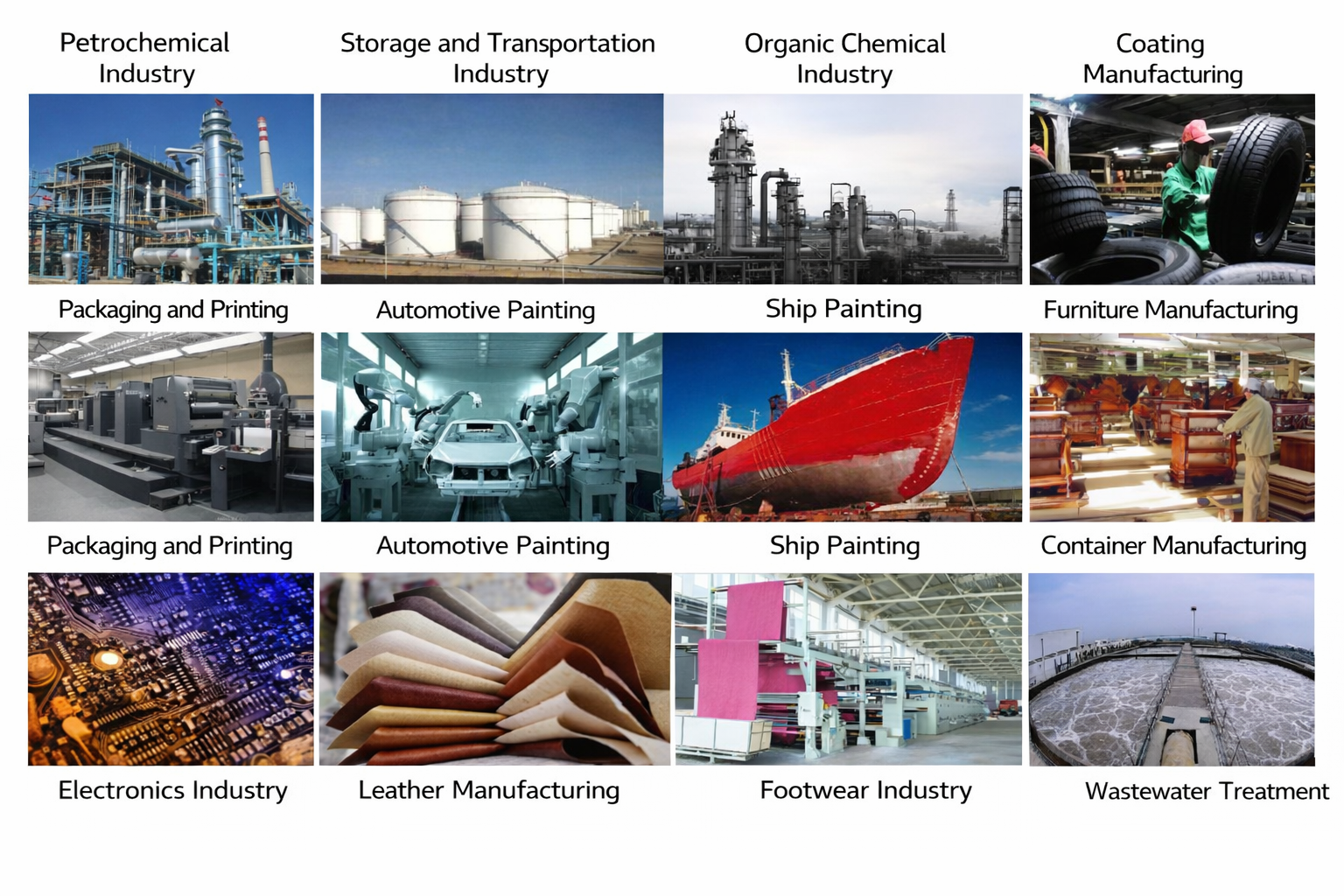
RTO Applications
Ship painting
Container painting
Furniture manufacturing
Electronics industry
Leather manufacturing
Footwear manufacturing
Textile dyeing and printing
Wastewater treatment
Advantages
Why Choose Our RTO Products?
Efficiency
Our RTOs offer high thermal efficiency, ensuring complete oxidation of VOCs and other harmful pollutants.
Environmentally Friendly
By reducing PM2.5 emissions, our RTO systems help mitigate environmental impact.
Cost-Effective:
Our systems provide long-term savings by minimizing the need for maintenance and helping businesses avoid costly fines related to air pollution.
Durability
Designed for heavy industrial use, our RTOs are built to withstand the rigors of continuous operation.
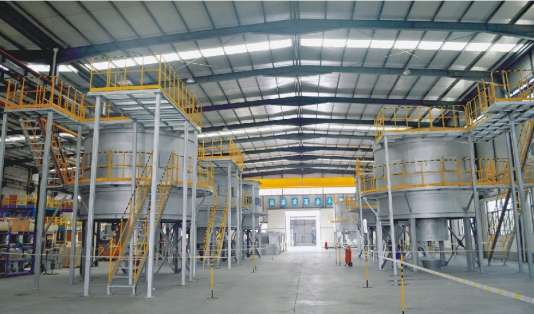
Customer Case Study
Customer Background:
A large chemical plant located in Jiangsu Province, China, specializes in producing chlorides, solvents, and other chemicals. During its manufacturing processes, the plant generates significant amounts of volatile organic compounds (VOCs), acidic gases, and particulate matter, especially PM2.5. The plant has been facing strict environmental regulations, as local authorities enforce rigorous air quality standards, particularly concerning PM2.5 emissions. The facility’s emissions were nearing the regulatory limit, leading to the risk of hefty fines and potential shutdowns.
Solution:
After analyzing the plant’s pollutant emissions, we designed a Regenerative Thermal Oxidizer (RTO) system to treat VOCs, NOx, SO2, and other gases, thereby reducing the formation of PM2.5. The specific implementation steps included:
- Oxidation of VOCs and Acidic Gases: Our RTO system efficiently treats VOCs and acidic gases through high-temperature oxidation, completely breaking down harmful gases and preventing them from forming PM2.5 particles in the atmosphere.
- Effective PM2.5 Reduction: By oxidizing the VOCs and acidic gases in the exhaust, the RTO system reduces the precursor materials of PM2.5, tackling the root cause of particulate matter emissions.
- Low Energy Consumption and High Efficiency: Our RTO system uses advanced heat recovery technology, minimizing energy consumption while ensuring high-efficiency gas treatment, keeping the production line continuously operational.
Environmental Manager Mr. Wang
“Since installing the RTO system, we’ve not only met the PM2.5 emission standards but also improved our gas treatment efficiency. The system allows us to comply with strict environmental requirements without affecting production.”
Plant Manager Mr. Li
“By using RTO technology, we’ve reduced harmful elements in the exhaust, and the plant can continue production without facing environmental-related shutdowns. It’s a win-win situation.”