1. Summary
Coil coating—continuous pre-painting of metal strips (steel or aluminium) before fabrication—is a high-throughput, energy-intensive process widely used across Australia’s construction, automotive, and appliance sectors. During curing, ovens emit significant volumes of volatile organic compounds (VOCs), primarily aromatic hydrocarbons (e.g., xylene, toluene) and esters (e.g., butyl acetate), at concentrations ranging from 2 to 10 g/Nm³. These emissions not only contribute to ground-level ozone formation but also pose explosion risks and regulatory non-compliance. Regenerative Thermal Oxidizers (RTOs) have become the industry standard for abatement, offering destruction efficiencies exceeding 95% while recovering up to 97% of thermal energy for reuse in the process. Ever-Power’s RTO systems are specifically engineered for the continuous, high-flow nature of coil lines, featuring robust rotary valve designs, corrosion-resistant materials, and seamless integration with existing oven exhaust ducts—ensuring Australian manufacturers meet both environmental obligations and operational efficiency targets.
2. Regulatory Requirements for Coil Coating Emissions in Australia and Globally
In Australia, coil coaters are regulated under state-based frameworks such as EPA Victoria’s “General Environmental Duty” and NSW EPA’s “Protection of the Environment Operations Act,” which require facilities emitting more than 1 tonne/year of VOCs to implement best available techniques (BAT). While national ambient air standards for specific VOCs are limited, workplace exposure is strictly controlled by Safe Work Australia (e.g., toluene TWA = 50 ppm). Internationally, the European Union’s Industrial Emissions Directive (IED 2010/75/EU) mandates ≥95% VOC destruction efficiency for surface coating installations and requires continuous emission monitoring. The U.S. EPA enforces NESHAP Subpart HHH for coil coating, setting a limit of 0.5 kg VOC per 1,000 kg of coating solids applied—effectively requiring RTOs for most lines. China’s GB 16297-1996 and Brazil’s CONAMA Resolution 382 also impose stringent VOC limits, often necessitating thermal oxidation. For Australian exporters supplying to global OEMs like Novelis or Hydro, compliance with these international benchmarks is increasingly a contractual requirement—and Ever-Power designs every system to satisfy them out of the box.
3. How RTO Technology Addresses Coil Coating Exhaust Challenges
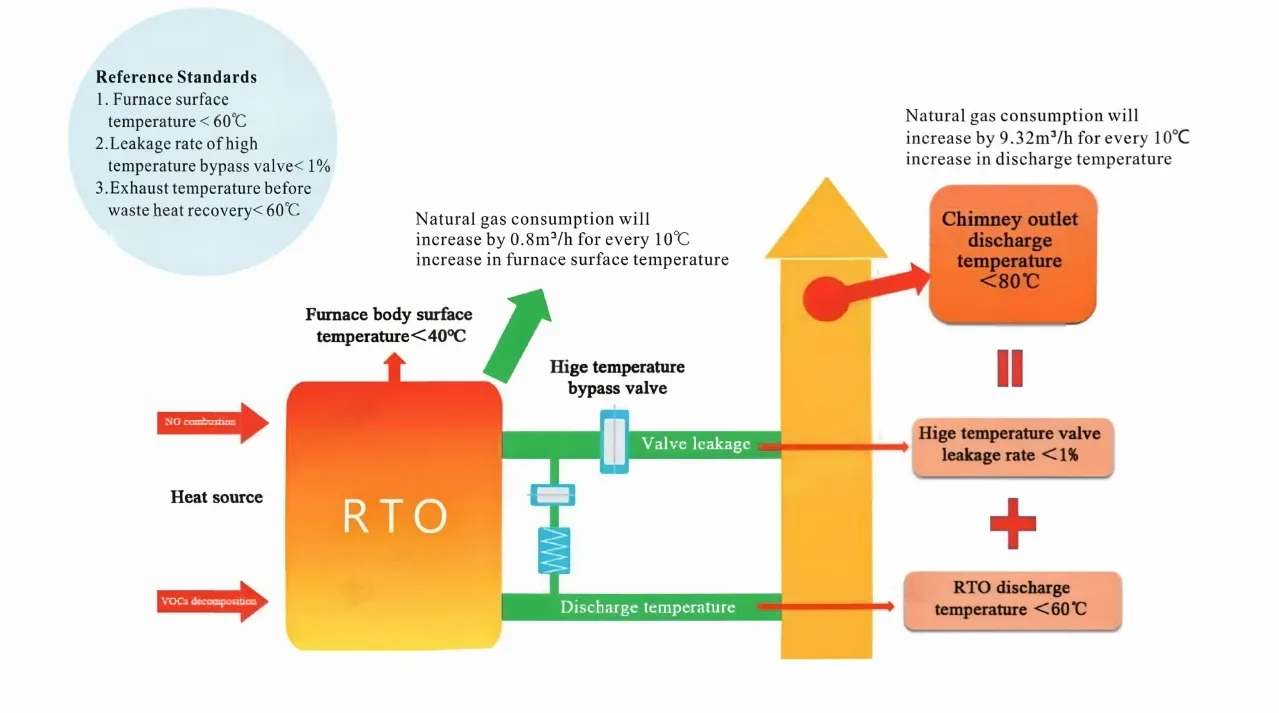
Coil coating exhaust streams are characterized by steady flow rates (often 50,000–200,000 Nm³/h), moderate VOC concentrations, and high temperatures (150–250°C) exiting the curing oven. This makes them ideal for high-efficiency RTO operation. Ever-Power deploys multi-bed (typically 12–18 chamber) rotary valve RTOs that eliminate the need for frequent switching valves, reducing maintenance and pressure drop. The hot, VOC-laden gas enters the oxidizer and passes through a ceramic heat exchange bed, where it is preheated to ~750°C before entering the combustion chamber. At 800–850°C, organics are fully oxidized into CO₂ and H₂O. The clean, hot flue gas then flows through a second ceramic bed, transferring >95% of its thermal energy before discharge. This recovered heat is typically routed back to the curing oven via a hot gas recirculation system, slashing natural gas consumption by 30–50%. All structural components use carbon steel with high-temperature refractory lining, while optional 304L stainless steel is available for lines using chlorine-containing coatings. The system includes LEL monitoring, automatic burner modulation, and remote diagnostics compliant with AS/NZS 60079 for hazardous areas.
4. Ever Power RTO Technical Specifications
| Performance | 2-bed RTO | 3-bed RTO | Rotary Valve RTO | Notes |
|---|---|---|---|---|
| Technicality | First generation | Second generation | Third generation | |
| Number of chambers | 2 | 3 | 12 | Rotary valve operates continuously |
| Number of valves | 4 | 9 | / | |
| Reliability | Valve switching times per year: 350,000 | Valve switching times per year: 520,000 | / | |
| Piping pressure fluctuation | ±500pa | ±250pa | ±25pa | |
| Discharge compliance | Total purification efficiency: 95% | Total purification efficiency: 99% | Total purification efficiency: 99.5% | 99.5% |
| Maximum treating range | < 1g | < 5g | < 10g | 50mg/m³ discharge standard |
| Heat dissipation surface area | 100m² | 145m² | 95m² | |
| Energy saving | Thermal efficiency: 90% | Thermal efficiency: 95% | Thermal efficiency: 96% | 96% |
| Start-up heating time | 2.5h | 2.5h | 2h | Cold furnace start-up (Ethyl acetate) |
| Self-operation concentration | 2.5g/m³ | 2.2g/m³ | 1.8g/m³ | |
| Economy | Regenerative ceramic filling volume: 18m³ | Regenerative ceramic filling volume: 26m³ | Regenerative ceramic filling volume: 17m³ | 17m³ |
| Practicality | Occupation of land: L12×W7 | Occupation of land: L16×W7 | Occupation of land: L12×W7 | L12×W7 |
*Disclaimer: The other brand names mentioned above are provided solely for illustrative purposes. We do not offer original products or equipment bearing these brand names.
5. Brand Comparison: RTO Solutions for Metal Coil Coaters
| Feature | Ever-Power | Dürr | Anguil |
|---|---|---|---|
| Rotary Valve Design | Standard on all large units | Premium option (+15% cost) | Limited availability |
| Heat Recovery Integration | Direct hot gas recirc to oven standard | Air-to-air heat exchanger only | Requires third-party interface |
| Australian Service Network | Local engineers in Sydney, Melbourne, Perth | No direct presence | Third-party contractors |
| CAPEX (150,000 Nm³/h) | AUD ~2.3 million | AUD ~3.6 million | AUD ~3.2 million |
| Pressure Drop | ≤25 mbar (energy efficient) | 30–40 mbar | 28–35 mbar |
*Disclaimer: The other brand names mentioned above are provided solely for illustrative purposes. We do not offer original products or equipment bearing these brand names.
6. Industry Trends Driving RTO Adoption in Australian Coil Coating
Australia’s infrastructure boom—fueled by renewable energy projects, urban development, and defence manufacturing—is increasing demand for pre-painted metal coils, particularly in solar farm structures and modular housing. This growth coincides with tightening environmental scrutiny: the federal government’s National Air Quality Strategy now prioritizes VOC reduction in industrial clusters like Wollongong and Newcastle. Simultaneously, global building material standards (e.g., LEED, BREEAM) reward low-emission production, making high-efficiency RTOs a market differentiator. Technologically, the trend is toward digitalization—Ever-Power’s latest RTOs feature cloud-connected dashboards that auto-generate compliance reports for NSW EPA and track real-time energy savings. Additionally, with rising natural gas prices, the 97% thermal recovery of modern RTOs delivers compelling ROI; many Australian clients achieve payback in under 3 years through fuel savings alone. Future systems will likely integrate with hydrogen-ready burners to align with Australia’s net-zero roadmap.
7. Custom Engineering for Australian Coil Coaters
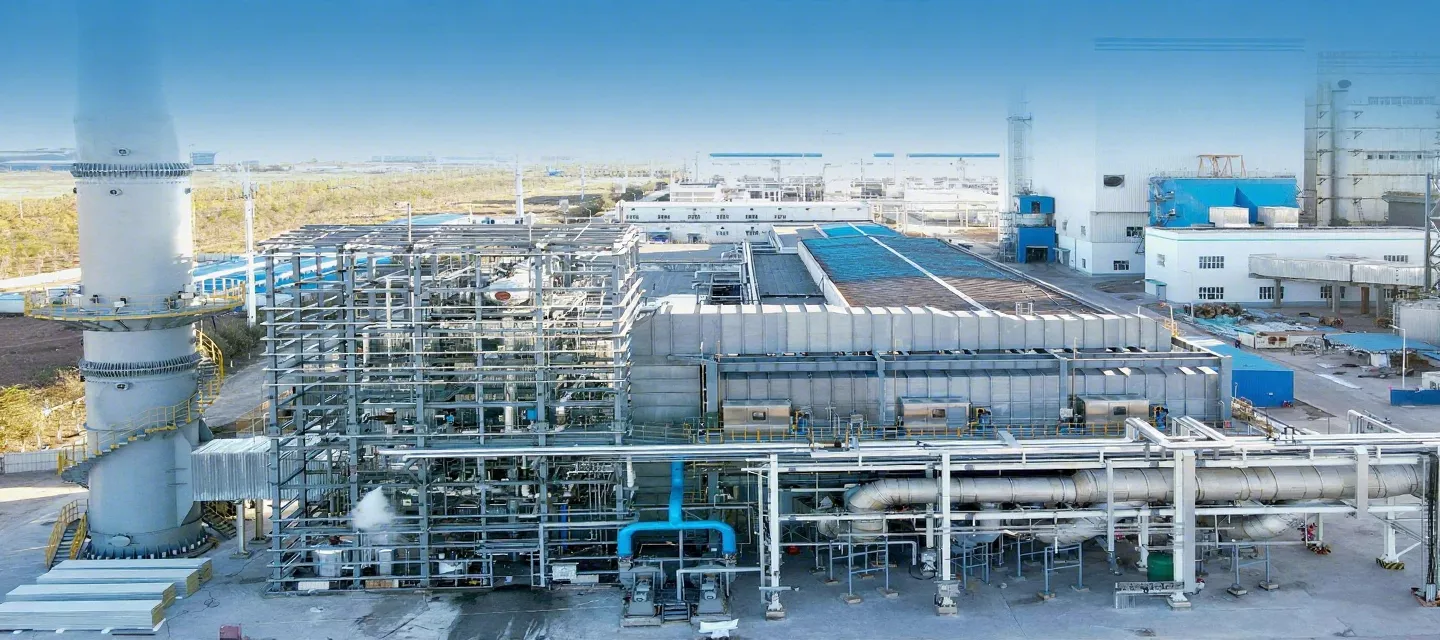
No two coil lines are identical—substrate width, line speed, coating chemistry, and oven configuration vary significantly across Australia’s diverse metal finishing sector. Ever-Power rejects generic solutions. Our engineering process begins with detailed stack testing to quantify VOC composition and flow dynamics across all operating modes. We then tailor the RTO: selecting bed count (12, 15, or 18) based on turndown requirements, sizing the rotary valve for minimal pressure loss, and specifying refractory or stainless internals based on coating formulation. For clients in regional centres like Whyalla or Port Kembla, we design modular skids compliant with Australian transport regulations and offer phased commissioning to avoid production stoppages. All systems undergo Factory Acceptance Testing (FAT) with simulated exhaust conditions before shipment. With ISO 9001-certified design and local service teams, we deliver turnkey RTOs that enhance both environmental performance and bottom-line efficiency.
8. Customer Success Case
“As an Australian manufacturer, compliance with environmental standards is crucial for us. Ever-Power’s RTO system not only met all the regulatory requirements but also helped us save on energy costs. Their team was very professional, and the installation was seamless.”
“The Ever-Power RTO system has been a fantastic investment for our coil coating line. The 97% heat recovery alone has dramatically reduced our gas consumption. It runs smoothly, and the efficiency improvements are noticeable. Highly recommend!”
“We’ve had great results with Ever-Power’s RTO systems. The system has reduced maintenance needs significantly, and the team at Ever-Power has been amazing to work with. The service engineers in Sydney are always available to provide support when needed.”
“The Ever-Power rotary valve RTO system was exactly what we needed for our high-flow coil coating process. The energy efficiency and low pressure drop have helped us cut down on our operating costs. Plus, the system is built to last – it’s worth every penny.”
“Ever-Power’s RTO system was installed quickly, with minimal disruption to our operations. We’ve noticed a 20% reduction in our energy costs, and the system has kept us compliant with both local and global standards. A great ROI for any manufacturing facility.”
10. Related Solutions
Frequently Asked Questions (FAQ)
Q1. What’s the typical cost of an RTO for a medium-sized coil line in Melbourne?
A1. For a 100,000 Nm³/h system handling aromatics and esters, expect AUD 1.8–2.5 million turnkey—including installation and commissioning near Dandenong or Truganina.
Q2. How does your RTO handle the continuous 24/7 operation of our coil coating line?
A2. Our rotary valve design has no moving poppet valves—enabling uninterrupted operation for 5+ years with only annual inspections.
Q3. Can you supply an RTO that complies with both NSW EPA and EU export standards?
A3. Yes—all systems include continuous emission monitoring and data logging that satisfy IED 2010/75/EU and local licensing requirements.
Q4. Where can I find a local RTO supplier with fast response in South Australia?
A4. Ever-Power partners with Adelaide-based service firms and guarantees 48-hour support for critical issues in SA and NT.
Q5. What’s the difference in energy savings between your RTO and older three-bed models?
A5. Our 18-bed rotary RTO recovers 97% heat vs. 85–90% in older models—saving ~AUD 120,000/year in gas for a 150,000 Nm³/h line.
Q6. How quickly can you retrofit an RTO onto our existing coil line near Brisbane?
A6. We’ve completed retrofits in 8 weeks using weekend shutdowns—minimizing disruption to your production schedule.
Q7. Which RTO brand offers the lowest pressure drop for high-flow coil exhaust?
A7. Ever-Power’s rotary valve design maintains ≤25 mbar pressure drop—reducing fan energy by 15–20% compared to poppet-valve systems.
Q8. Can your system integrate with our existing oven control PLC?
A8. Absolutely—we use OPC-UA or Modbus TCP to sync with Siemens, Rockwell, or Mitsubishi PLCs for coordinated start/stop and fault handling.
Q9. What materials do you use to resist corrosion from ester-based coatings?
A9. Standard carbon steel with refractory suffices for most esters; for aggressive formulations, we offer SS 304L or duplex cladding.
Q10. How do you ensure compliance during EPA stack testing in Victoria?
A10. We pre-calibrate CEMS and provide witnessed performance tests—ensuring your system passes EPA Victoria’s Method 25A verification on first attempt.
Editor: PXY