Processable Gases
—Odor Gas
Address: Ventura Place Dandenong South Victoria, Australia, 3175
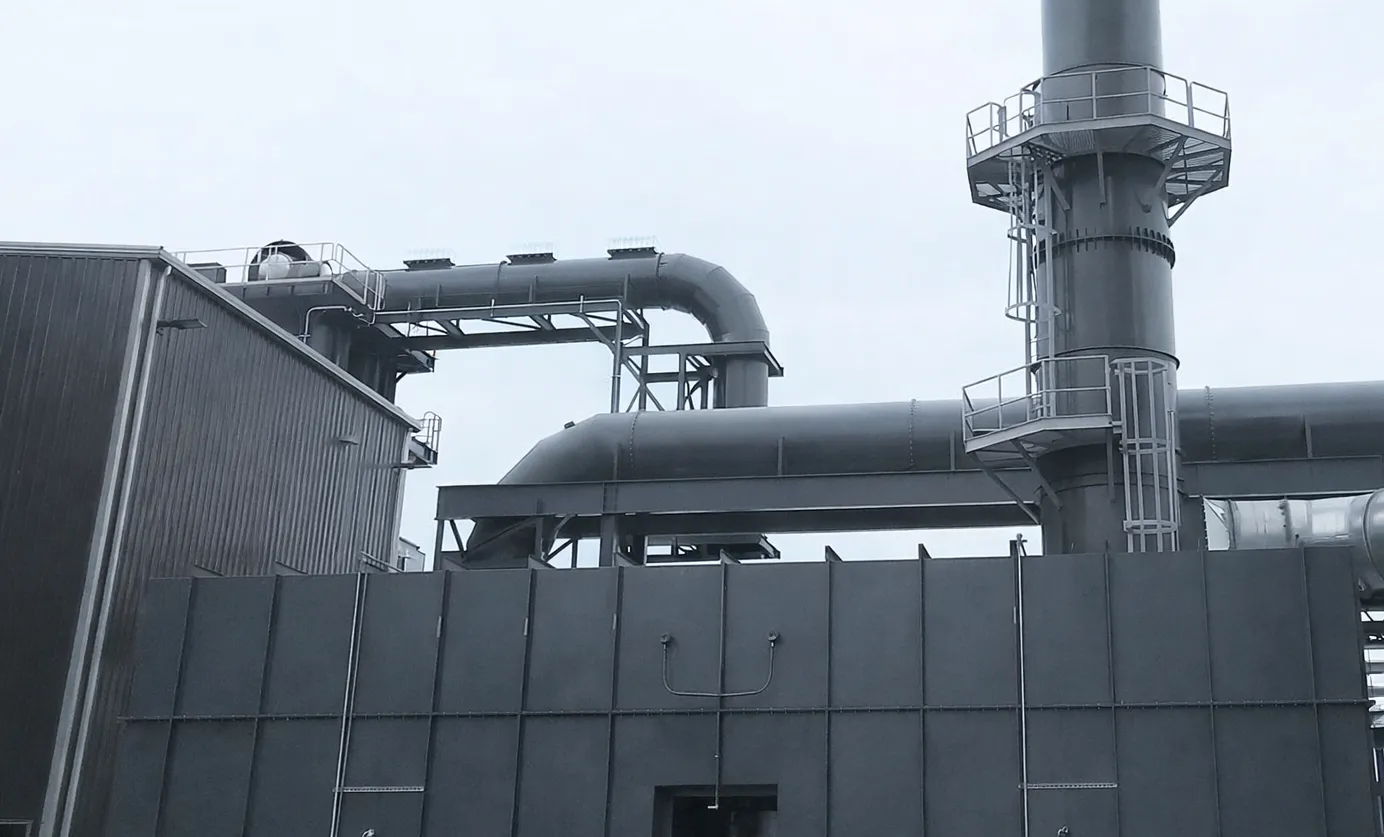
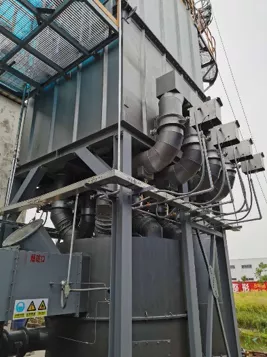
Discover EVER-POWER’s advanced Regenerative Thermal Oxidizers (RTOs) for effective odor gas control in Australia. Achieve 99% VOC destruction efficiency with energy recovery up to 97%, compliant with EPA standards. Provide solutions for wastewater, food processing, and industrial sectors in Sydney, Melbourne, and beyond.”
Processable Gases
Noxs
Odor
Haps
PM 2.5
Wam
Acidic Gas
Working Principle of RTO for Odor Gas Treatment
1. Characteristics of Odorous Gases
Industrial odor gases typically contain:
-
Volatile organic compounds (VOCs)
-
Sulfur-containing compounds (e.g. H₂S, mercaptans, sulfides)
-
Nitrogen-containing compounds (e.g. NH₃, amines)
-
Aldehydes, ketones, and other low odor-threshold substances
These compounds are characterized by strong smell, low odor threshold, and high environmental impact, even at very low concentrations.
2. RTO Odor Treatment Process
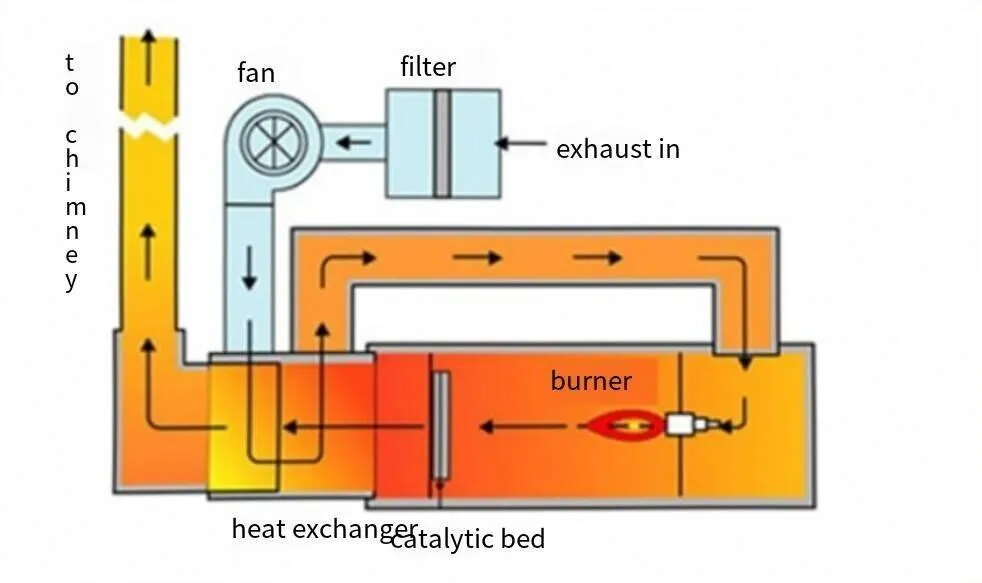
An RTO system generally consists of ceramic heat-storage beds, a combustion chamber, switching valves, and an automatic control system. The process operates as follows:
Step 1: Waste Gas Preheating
Odorous exhaust gas enters a ceramic heat-storage bed that has been preheated during the previous cycle. The gas temperature rises rapidly as it absorbs stored thermal energy.
Step 2: High-Temperature Oxidation
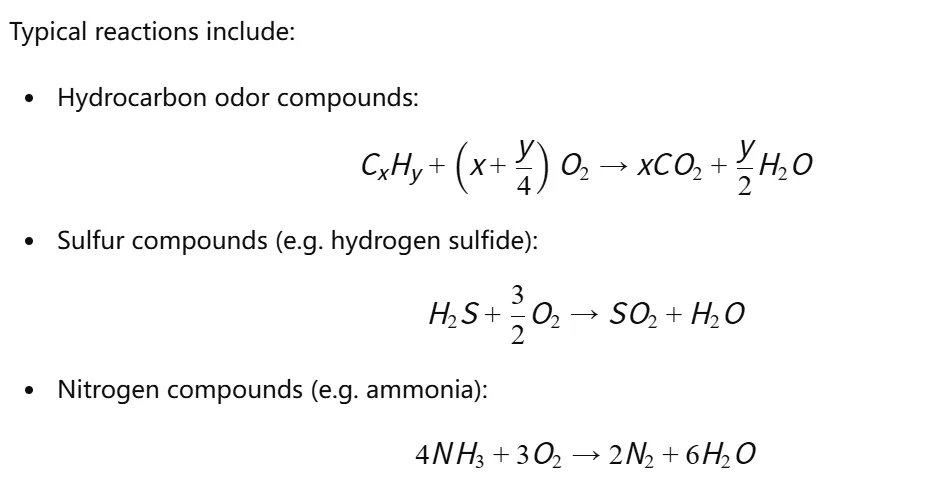
The preheated gas flows into the combustion chamber, where it is heated to 760–850°C (up to 900°C for difficult odor compounds). Under these conditions, odorous substances react with oxygen and are completely oxidized.
Step 3: Heat Recovery
The purified high-temperature exhaust gas passes through another ceramic bed, transferring its heat to the ceramic media. This significantly reduces exhaust temperature while storing thermal energy for the next cycle.
Step 4: Valve Switching and Continuous Operation
The system periodically switches airflow direction using automated valves, enabling continuous operation with thermal efficiency exceeding 95%.
Technical Parameters of EVER-POWER RTOs
| Parameter | Value/Range | Description |
|---|---|---|
| Thermal Efficiency (TER) | 95-97% | High heat recovery reduces fuel consumption in Australia’s energy-conscious market. |
| Destruction Removal Efficiency (DRE) | ≥99% | Ensures near-complete odor and VOC elimination. |
| Airflow Capacity | 5,000-500,000 m³/h | Scalable for small composting sites in Tasmania to large sewage plants in Brisbane. |
| Operating Temperature | 760-1100°C | Optimized for oxidizing H₂S and mercaptans common in landfill gases. |
| Residence Time | 0.5-2.0 s | Guarantees thorough combustion in variable Australian weather. |
| Pressure Drop | 50-300 Pa | Low drop minimizes fan energy use in remote mining areas. |
| VOC Concentration Handled | Up to 10 g/m³ | Suitable for high-odor streams from rendering plants. |
| Heat Recovery Media | Ceramic honeycomb | Durable against corrosive odors in coastal environments. |
| Switching Cycle Time | 60-180 s | Prevents leaks in multi-bed designs for continuous operation. |
| Leakage Rate | <0.1% | Critical for odor-sensitive urban areas like Sydney. |
| Material of Construction | 310S Stainless Steel | Resists corrosion from sulfur compounds in agricultural odors. |
| Valve Type | Poppet or Rotary | Rotary for high-flow odor control in wastewater. |
| Explosion Limit Control | <25% LEL | Safety feature for volatile gases in mining. |
| Energy Consumption | 0.5-2 kWh/1000 m³ | Low for off-grid Australian outback installations. |
| NOx Emission | <50 mg/Nm³ | Meets stringent Australian air quality standards. |
| Footprint | 10-50 m² | Compact for space-limited facilities in Perth suburbs. |
| Weight | 5-50 tons | Modular for easy transport to remote sites. |
| Startup Time | 1-2 hours | Quick response for intermittent odor events. |
| Turndown Ratio | 5:1 | Handles flow variations in seasonal industries like dairy. |
| Catalyst Option | Optional Pt/Pd | For lower temperature oxidation of persistent odors. |
| Monitoring System | PLC/SCADA | Real-time data for EPA compliance reporting. |
| Maintenance Interval | Every 6 months | Extended for harsh Australian conditions. |
| Lifespan | 15-20 years | Proven durability in humid climates. |
| Noise Level | <85 dB | Quiet operation for residential-adjacent plants. |
| Power Supply | 380-415V, 50Hz | Standard Australian grid compatible. |
| Heat Exchanger Efficiency | 90-95% | Recovers heat for process reuse in food industries. |
| Odor Reduction Rate | 99.5% | Targets <1 OU/m³ for community acceptance. |
| Corrosion Resistance Rating | IP65 | Protects against salty coastal air in Adelaide. |
| Automation Level | Fully Automated | Reduces labor in remote Northern Territory sites. |
| Cost per m³ Treated | 0.05-0.2 AUD | Affordable for SMEs in regional Australia. |
Environmental Regulations and Compliance in Australia
Extending to neighbors and top global markets: New Zealand’s Resource Management Act requires similar RTO-level controls for dairy odors. Papua New Guinea and Indonesia focus on mining odors under emerging environmental laws. In world leaders like the USA (EPA MACT standards), EU (IED Directive), China (GB 37822-2019), Japan, South Korea, Germany, France, UK, Canada, Brazil, India, Mexico, Saudi Arabia, Russia, South Africa, Turkey, Italy, Spain, Netherlands, Sweden, Norway, Denmark, Finland, Switzerland, UAE, Singapore, Malaysia, Thailand, and Vietnam, RTOs are standard for odor-intensive sectors. EVER-POWER systems exceed these, with case studies from Sydney’s wastewater upgrades and Perth’s mining sites demonstrating compliance.
Australia’s environmental framework, governed by the Environment Protection Authority (EPA) in each state, mandates strict odor control under the Protection of the Environment Operations Act 1997. For instance, in New South Wales, odor emissions must not exceed levels causing offensive smells, often requiring 99% destruction efficiency. Victoria’s EPA emphasizes best practice technologies like RTOs for wastewater odors. Nationally, the National Environment Protection Measure (NEPM) sets air quality standards, targeting VOCs below 10 mg/m³. In key cities like Sydney (NSW), Melbourne (VIC), Brisbane (QLD), Perth (WA), Adelaide (SA), Hobart (TAS), Darwin (NT), and Canberra (ACT), local councils enforce additional guidelines for industries near residential areas.
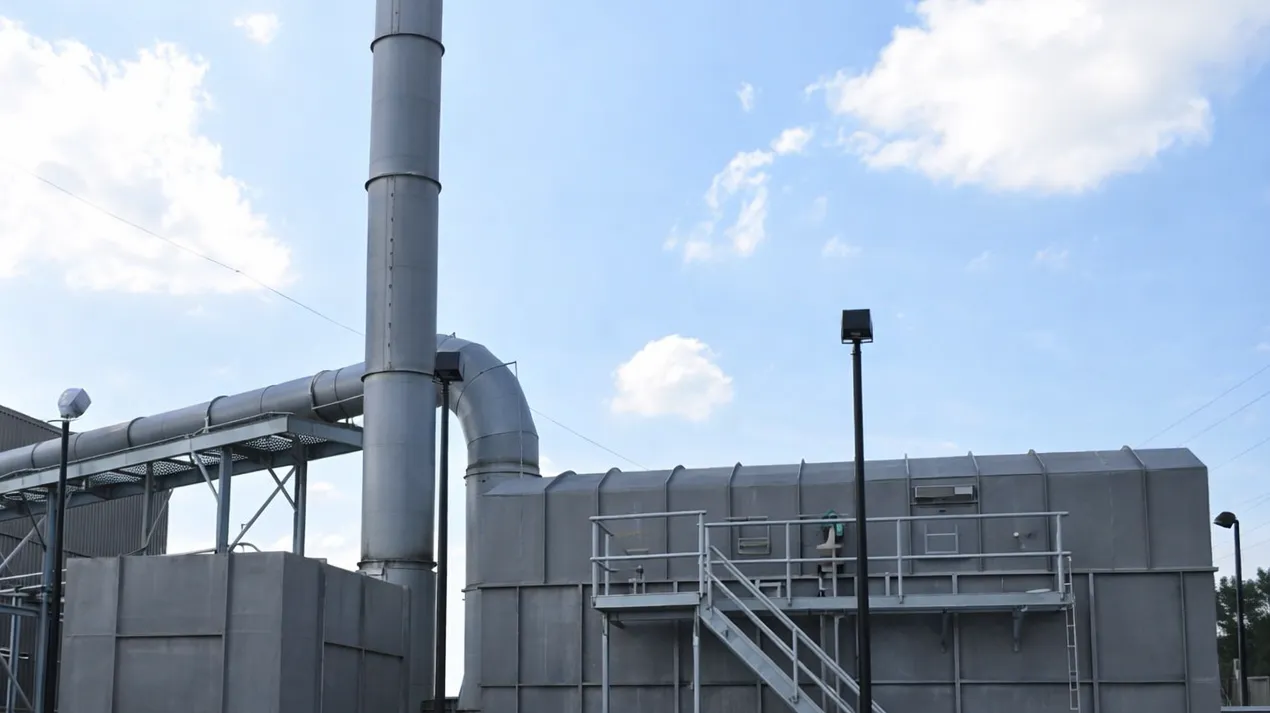
What Is Odor?
Odor refers to unpleasant or offensive smells generated during industrial production, wastewater treatment, and waste handling processes. These gases are typically characterized by strong intensity, very low odor thresholds, and complex chemical compositions, meaning they can be detected by humans even at extremely low concentrations.
Common odor-causing substances include:
-
Sulfur-containing compounds: hydrogen sulfide (H₂S), methyl mercaptan, sulfides
-
Nitrogen-containing compounds: ammonia (NH₃), amines
-
Volatile Organic Compounds (VOCs): aldehydes, ketones, hydrocarbons
-
Decomposition gases: released from sludge, organic waste, and food residues
Odor emissions are commonly found in industries such as chemical manufacturing, pharmaceuticals, painting and coating, wastewater treatment plants, solid waste treatment, livestock farming, and food processing.

Hazards of Odor Emissions
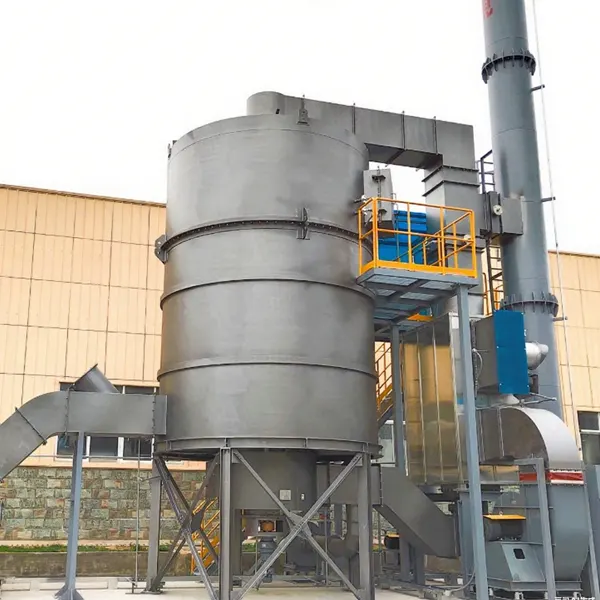
1. Health Risks to Humans
Odor is more than a nuisance—it can pose serious health risks:
-
Irritation to the eyes and respiratory system
-
Symptoms such as headaches, nausea, dizziness, and fatigue
-
Long-term exposure may affect the nervous system and immune function
-
High concentrations of gases like hydrogen sulfide or ammonia can be toxic or even life-threatening
2. Negative Impact on Living Environment
Odor emissions are one of the most frequent causes of environmental complaints:
-
Significant reduction in quality of life for nearby residents
-
Increased public complaints and social pressure
-
Damage to corporate reputation and community relations
Even when emissions meet concentration limits, noticeable odors can still trigger strong public dissatisfaction.
3. Environmental Pollution and Ecological Effects
Some odor compounds can undergo secondary reactions in the atmosphere:
-
Formation of acidic gases or fine particulate matter
-
Contribution to air pollution and smog
-
Potential harm to vegetation and local ecosystems
4. Regulatory and Compliance Risks
Environmental regulations worldwide are becoming increasingly strict regarding odor control:
-
Odor emissions are now regulated and monitored in many regions
-
Excessive odor can result in fines, mandatory corrective actions, or production shutdowns
-
Non-compliance increases operational and investment risks for enterprises
Industries Benefiting from RTO Odor Control in Australia
Australia’s economy thrives on mining, agriculture, and urban services, all prone to odor issues.
1. In Western Australia’s Pilbara region, mining processes release hydrocarbon odors, controlled by RTOs.
2. Queensland’s sugarcane and cattle farms generate composting odors, mitigated with our systems.
3. Victoria’s food processing hubs in Geelong handle brewery and dairy smells.
4. South Australia’s wine industry in Barossa Valley uses RTOs for fermentation odors.
5. Tasmania’s aquaculture in Hobart benefits from odor-free wastewater treatment.
6. Northern Territory’s remote sites rely on modular RTOs for landfill gases.
7. The Australian Capital Territory’s urban planning integrates RTOs in sewage plants near Canberra.

Advantages of RTO for treating odor
High VOC Removal Efficiency:
Since high-temperature oxidation can fully convert VOCs into CO₂ and H₂O, RTO effectively removes harmful gases from the exhaust.
Energy Recovery:
The RTO system recovers heat from the oxidation reaction, allowing the system to use this heat to preheat incoming gases, reducing energy consumption.
Wide Application Range:
RTO is highly effective in treating a wide variety of VOC gases, especially in industries where high VOC concentrations are present.