


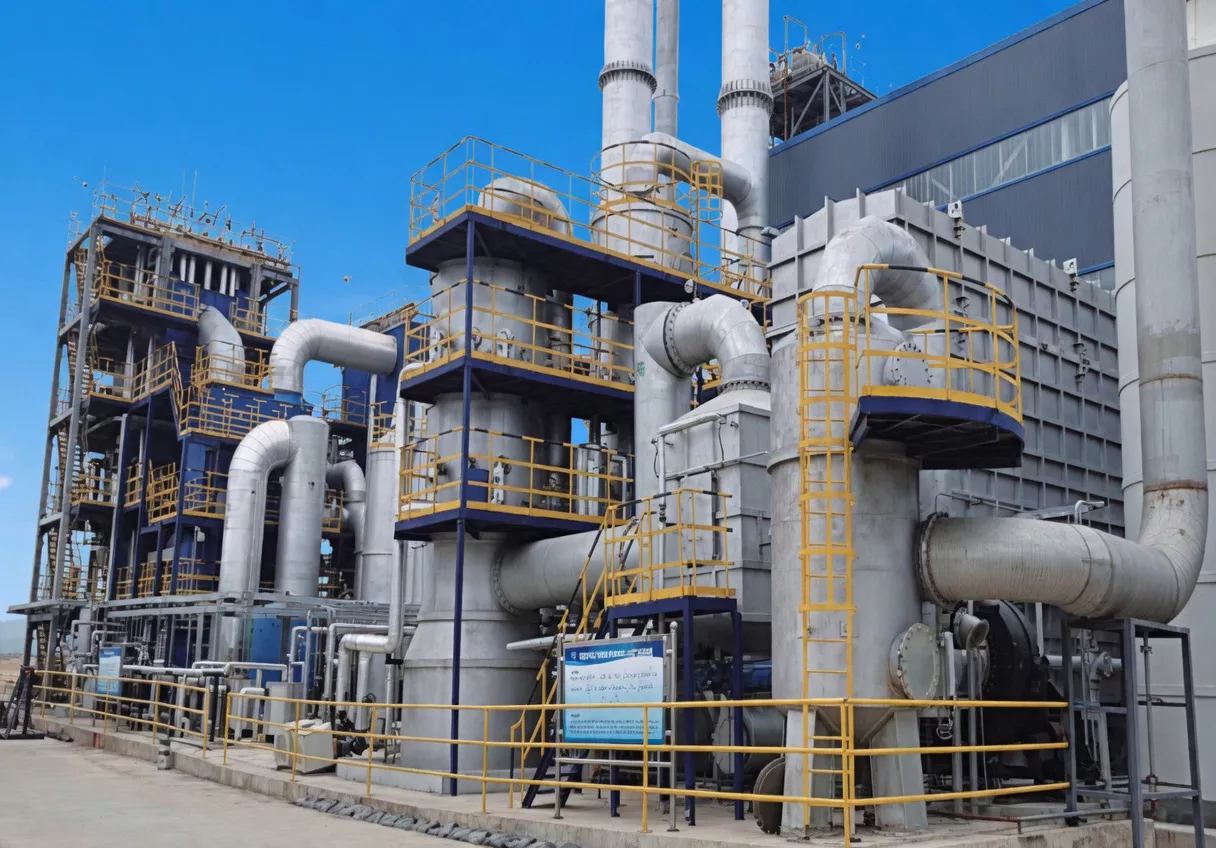
Overcoming the High-Salt Wastewater Challenge in Modern Industry
Treating high-concentration salt organic wastewater has traditionally been a formidable bottleneck for the petrochemical, fine pharmaceutical, agrochemical, and textile dyeing industries. Standard combustion systems frequently suffer from severe refractory degradation, aggressive acid gas corrosion, and rapid salt clogging inside the furnace and at the discharge ports. This inevitably leads to excessive downtime, halted production lines, and skyrocketing maintenance costs that eat into operational profitability.
The Ever-power salt-containing waste liquid incinerator is a highly specialised thermal oxidation unit meticulously engineered to solve these exact pain points. Designed from the ground up for the rigorous demands of the Australian industrial sector, it serves as a premium alternative and superior replacement of traditional European brands. Our advanced equipment guarantees smooth, clog-free dry salt discharge, significantly lowered operating utility costs, and unparalleled waste heat recovery efficiency. By transforming a hazardous liability into recoverable heat and reusable industrial salt, we help facilities achieve their Zero Liquid Discharge (ZLD) and circular economy goals.
Core Technological Advantages
Multi-Stage Oxygen & Temperature Control
Achieve stringent low-NOx combustion. By precisely regulating oxygen distribution and establishing distinct temperature zones within the primary and secondary furnace chambers, our waste liquid incinerator minimises the formation of thermal nitrogen oxides. This staged combustion technology ensures strict compliance with local Australian EPA emission standards without the need for excessive secondary chemical treatments like SCR or SNCR under normal operating conditions.
Waste-to-Waste Treatment & Heat Recovery
Maximise your energy optimisation and reduce your carbon footprint. The Ever-power system intelligently utilises the inherent calorific value of the organic waste itself to sustain the combustion process. Integrated heat recovery boilers capture high-temperature exhaust gas to generate high-pressure steam or heat thermal oil for other factory processes. This drastically reduces natural gas or diesel dependency, effectively turning hazardous waste into a revenue-saving energy source.
Integrated Soot-Blowing & Ash-Handling
Eliminate costly manual cleaning downtime. Burning high-salt liquids inevitably creates fly ash. Our automated, integrated acoustic and steam soot-blowing mechanisms continuously clear ash build-up from boiler tubes and heat exchange surfaces. Coupled with a mechanical ash conveying system at the base, it maintains peak thermal efficiency and prevents system bottlenecks, allowing for continuous operation for up to 8,000 hours annually.
Safe, Stable & Emission-Compliant Operation
Safety is non-negotiable. Our units are engineered with comprehensive Siemens or Allen-Bradley PLC safeguards, automatic fail-safes, dual-valve gas trains, and continuous emissions monitoring systems (CEMS) integration. The Ever-power incinerator provides 24/7 stable operation. With an optimal residence time of over 2 seconds at temperatures exceeding 1100°C, it guarantees a 99.99% Destruction and Removal Efficiency (DRE) for Volatile Organic Compounds (VOCs) and hazardous air pollutants.
“Salt Against Salt” Refractory Design
This is a revolutionary structural engineering approach exclusive to our high-salt incinerators. By carefully controlling the fluid dynamics and thermodynamics near the furnace walls, we intentionally create a protective solid salt crust. This crust effectively shields the underlying high-alumina refractory bricks from aggressive molten alkaline salt corrosion. This innovative design extends the refractory lifespan exponentially compared to standard linings, massively reducing maintenance overheads.
Dry Salt Collection for Industrial Reuse
Achieve true Zero Liquid Discharge (ZLD) milestones. Our unique rapid quench and high-efficiency baghouse filter configurations allow for the precise collection of dry, uncontaminated salt particles from the exhaust stream. Because the high temperatures completely destroy all organics, this recovered inorganic salt is highly pure and certified for secondary industrial applications, completing the resource recovery loop.
End-to-End Engineering Excellence
At Ever-power, we do not merely sell off-the-shelf equipment. We deliver a complete, highly engineered solution tailored strictly to the specific chemical composition, viscosity, and calorific value of your unique effluent. Our project execution is a rigorous, data-driven process. To understand our comprehensive capabilities and our entire environmental protection suite, you can explore the home page of our broader thermal oxidation portfolio.
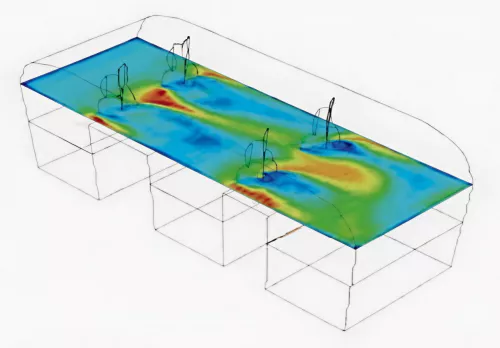

1. Simulation
Advanced CFD (Computational Fluid Dynamics) modeling is deployed to ensure optimal residence time, perfect atomisation trajectories, and even thermal distribution, preventing any cold spots or wall impingement.
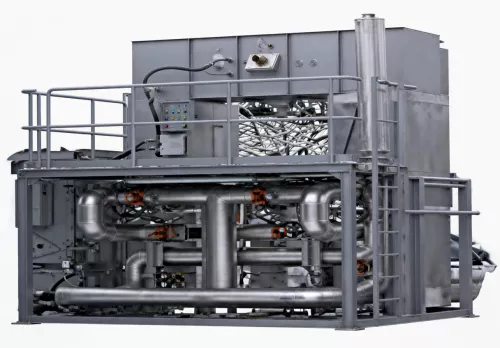
2. Pilot Test
We conduct small-scale physical testing with your actual waste liquid samples in our advanced lab to validate destruction efficiency, salt recovery rates, and off-gas emissions before full-scale manufacturing begins.
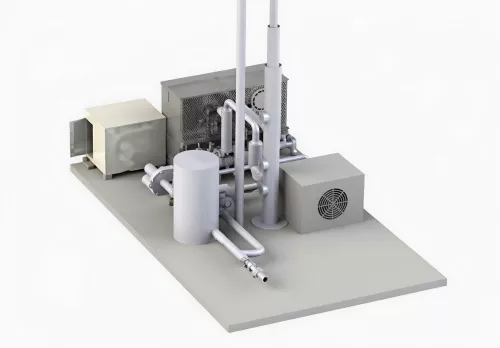
3. 3D Model
Detailed 3D CAD modeling is provided for precise spatial planning, clash detection with existing pipework, and seamless visual integration into your existing Australian plant infrastructure.
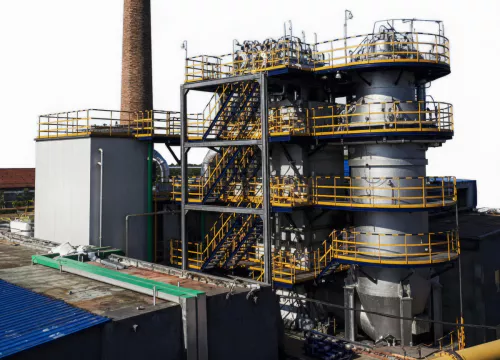

4. Complete System
Turnkey delivery, mechanical installation, and hot commissioning of the robust final system, fully backed by comprehensive operator training and ongoing local maintenance support.
Technical Specifications
Our standard units are modular and highly customisable based on client flow rates and calorific data. The following table outlines typical parameters for our industrial-scale high-salt liquid incinerators, consistently outperforming any standard replacement of traditional boiler systems in the open market.
| Key Parameter | Specification Range | The Ever-power Engineering Advantage |
|---|---|---|
| Processing Capacity | 100 kg/h to over 10,000 kg/h | Highly scalable designs. Suitable for compact pilot plants or mega-scale continuous petrochemical facilities. |
| Design Furnace Temperature | 850 °C to 1150 °C (Adjustable) | Thermally optimised to ensure the complete oxidation of complex organics and destruction of precursors to dioxins/furans. |
| Gas Residence Time | > 2.0 Seconds | Strict compliance with hazardous waste regulations, guaranteeing a 99.99% Destruction and Removal Efficiency (DRE). |
| Salt Recovery Rate | Up to 98% (Dry base) | Yields a high-purity dry salt output, completely eliminating secondary wet sludge disposal costs. |
| Atomisation Technology | Air / Steam Assist Two-Fluid Nozzles | Wear-resistant, highly anti-clogging nozzles specifically engineered for highly viscous or high-particulate slurries. |
| Waste Heat Recovery | 0.5 MPa to 4.0 MPa Saturated Steam | Custom waste heat boiler integration effectively turns mandatory hazardous waste disposal into a revenue-saving utility. |
Why Choose Ever-power for Your Australian Operations?
Selecting the right partner for hazardous industrial liquid waste management is a critical CAPEX decision. Poorly designed systems inevitably result in severe EPA fines, halted production lines, and massive energy waste due to supplementary fuel burning. With decades of global engineering experience, Ever-power stands out as an authoritative leader in high-end thermal oxidation technologies.
- ✓
Experience, Expertise, Authoritativeness, Trustworthiness: Our R&D and engineering teams hold multiple patents in low-NOx combustion and refractory protection technologies. We have a proven track record of solving the most complex effluent streams. Discover our robust history and global footprint on our company page. - ✓
Uncompromising EPA Compliance: We design specifically to meet and exceed the stringent requirements of the Australian National Pollutant Inventory (NPI) and strict state-based environmental protection guidelines, including EPA Victoria and NSW EPA regulations regarding heavy metals, acid gases, and particulate matter. - ✓
Broad Industry Applicability: Our solutions are widely trusted across the harshest industrial sectors, including heavy petrochemicals, fine pharmaceuticals, agrochemicals (pesticides & herbicides), textiles & dyeing, and papermaking. We tailor the metallurgy and process flow to your specific industry constraints.
Australian Project Case Studies
Petrochemical Plant in Queensland
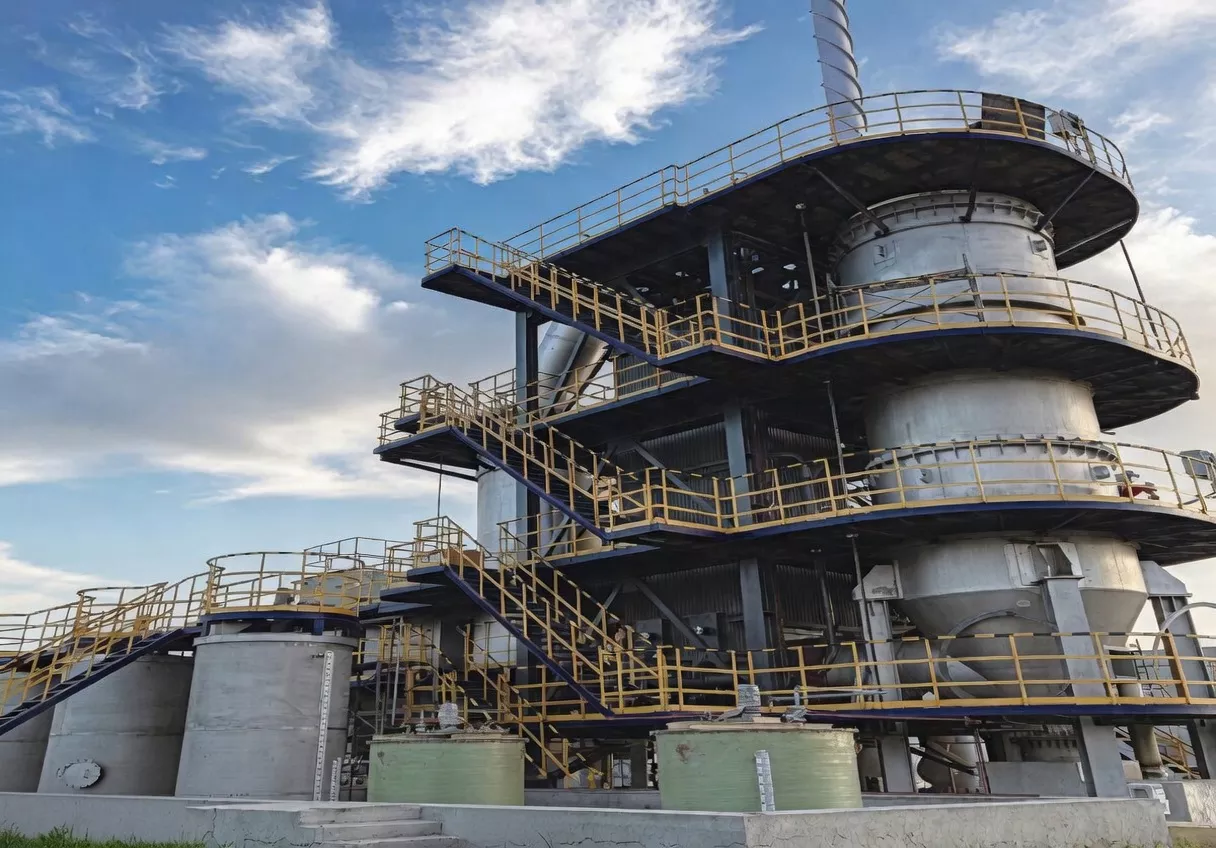
The Challenge: A major downstream facility in Gladstone was generating 2,500 kg/h of highly alkaline, salt-laden wastewater. Their existing unit (acting as a replacement of a legacy system) was constantly shutting down due to catastrophic salt melt pooling on the furnace floor and severe brick spalling.
The Solution: Ever-power engineered and installed a bespoke waste liquid incinerator featuring our proprietary “Salt against salt” refractory protection and an integrated radiant heat recovery boiler. The Result? Zero unscheduled downtime in 18 months of continuous operation and a remarkable 35% reduction in plant-wide natural gas consumption due to the reliably recovered 1.2 MPa process steam.
Pharmaceutical Manufacturer in Victoria
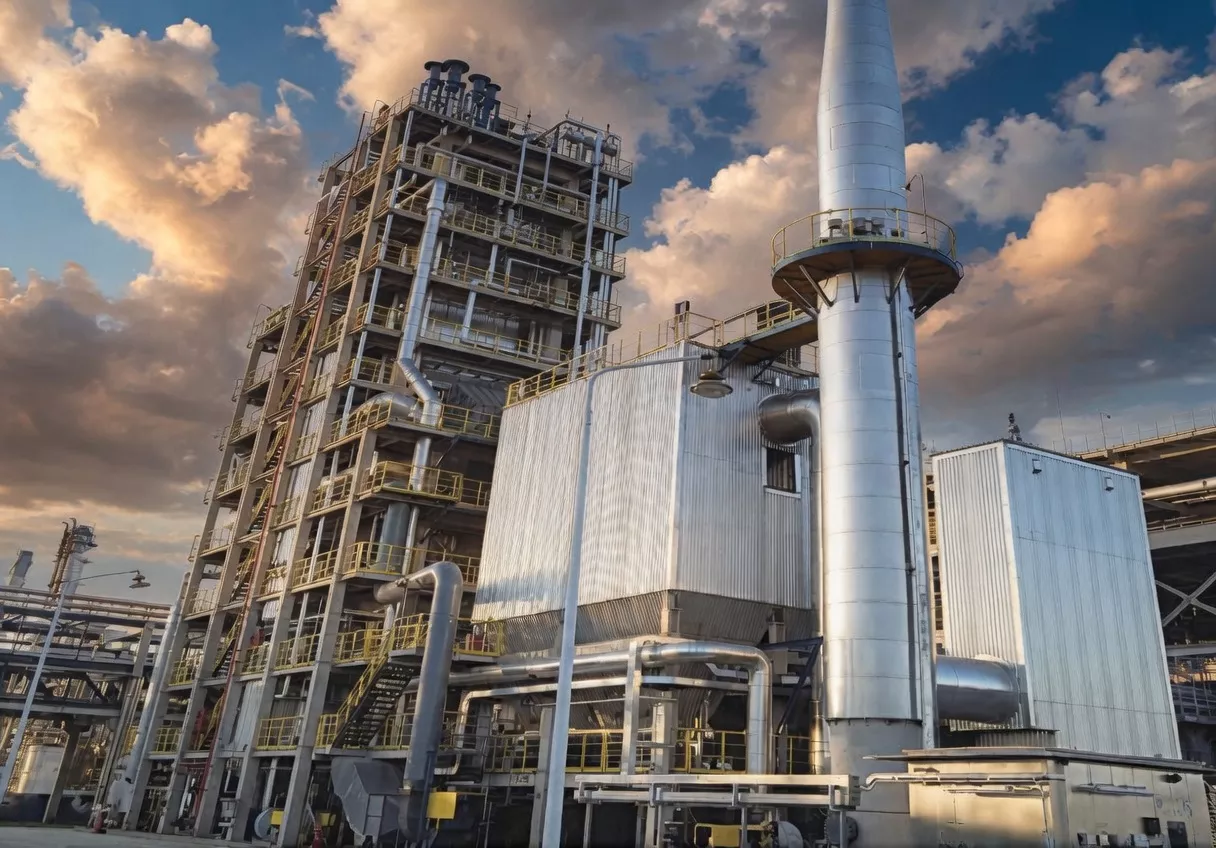
The Challenge: A Melbourne-based active pharmaceutical ingredient (API) client needed to treat complex, highly toxic organic effluent with exceptionally high chlorine and sodium content. Their primary goal was to achieve a Zero Liquid Discharge (ZLD) profile to align with strict corporate sustainability targets.
The Solution: We deployed a multi-stage oxygen control unit coupled with a high-speed rapid quench system (cooling gas from 1100°C to 200°C in less than 1 second). This system successfully curbed all dioxin/furan formation (achieving an impressive <0.1 ng TEQ/m3) and now reliably harvests over 300 kg/day of industrial-grade dry salt, which is actively sold and reused in a secondary chemical process.
Frequently Asked Questions (FAQ)
1. How exactly does the Ever-power system prevent salt clogging in the furnace?
Our system utilises proprietary multi-fluid pneumatic atomising nozzles combined with highly specific computational aerodynamic designs inside the main combustion chamber. This ensures the waste liquid completely vaporises and combusts in suspension, rather than impinging on the walls. Furthermore, the unique “Salt against salt” structural wall design actively forces molten salts to solidify on the refractory as a protective equilibrium layer, completely preventing them from pooling, flowing down, and clogging the bottom ash discharge throat.
2. Can the recovered salt truly be reused in our factory or sold?
Yes, absolutely. The incinerator exhaust is equipped with a rapid evaporative quench tower and a dry salt collection system (typically a high-temperature baghouse). Because the toxic organic components are 99.99% destroyed at temperatures above 850°C, the collected inorganic salt is highly pure, free of organics, and completely dry. It is certified for various industrial reuses (such as in chlor-alkali processes or textile dying), transforming a massive hazardous disposal cost into a tangible material asset.
3. Is this an effective replacement of standard thermal oxidisers for our site?
Absolutely. If your facility currently processes high-salt liquids, a standard thermal oxidiser (TO) or generic boiler will rapidly degrade within months due to aggressive alkali attack and severe plugging. The Ever-power salt-containing waste liquid incinerator is explicitly designed as the ultimate upgrade and replacement of conventional units, offering vastly superior refractory life, integrated soot-blowing, and structural integrity for continuous, year-round operation.
4. What happens if the calorific value or water content of our waste fluctuates?
Industrial waste is rarely perfectly consistent. Our system features an intelligent, multi-stage temperature control PLC linked to rapid-response sensors. If the calorific value of the incoming waste drops (i.e., water content increases), the system automatically and instantly modulates auxiliary support burners (using natural gas, LPG, or diesel) to maintain the required set-point combustion temperature. If the calorific value rises abruptly, it automatically adjusts the air-to-fuel ratio and quench water flow to prevent overheating, ensuring safe and stable oxidation at all times.
5. Do you provide ongoing after-sales support and maintenance in Australia?
Yes. Ever-power provides comprehensive global and localized support. From the initial 3D modeling and CFD simulation phases to final hot commissioning, our lead engineers work closely with local Australian mechanical and electrical contractors. Post-installation, we supply rapid spare parts delivery (such as specialized nozzles, UV scanners, and sensors) and offer secure 24/7 remote PLC diagnostic services to ensure your plant never experiences prolonged downtime.
6. What is the typical Return on Investment (ROI) timeframe for this system?
While highly dependent on your current local waste disposal gate fees and regional fuel costs, our industrial clients typically see a complete ROI within 18 to 36 months. The massive reduction in external third-party hazardous waste hauling fees, completely eliminated wet-sludge disposal costs, combined with the immense value of the steam generated via the waste-to-waste heat recovery system, drives significant and immediate operational savings.
Ready to Optimise Your Liquid Waste Disposal?
Don’t let aggressive salt clogging, failing refractory, and exorbitant disposal costs hinder your production and profitability. Partner with Ever-power for a reliable, fully EPA-compliant, and highly energy-efficient thermal oxidation solution.
Reach out now to secure a free preliminary CFD simulation consultation based on your specific effluent parameters.