


Sulfur-Resistant Catalysts for Sulphur-Containing VOC Removal
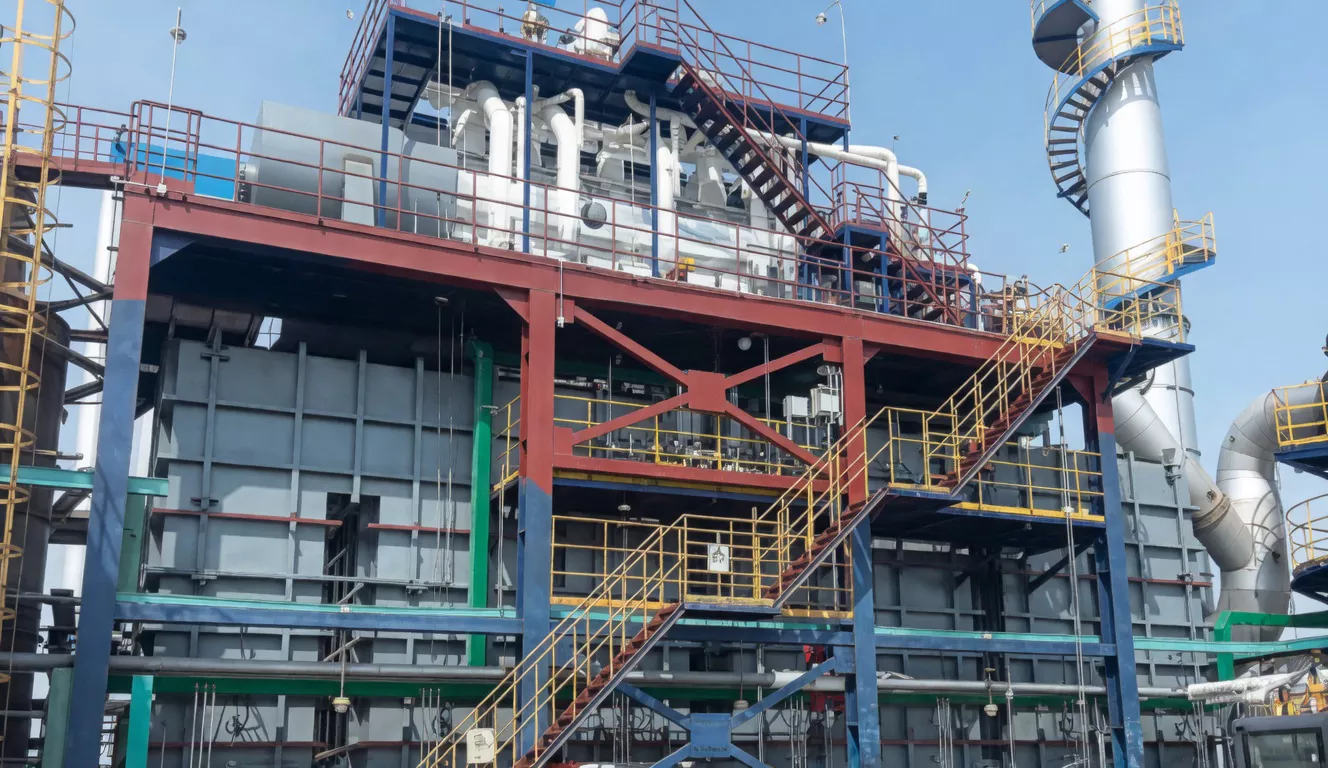
Ever-power sulfur-resistant catalysts are engineered to destroy volatile organic compounds in sulphur-laden waste gas streams without the runaway sulphate poisoning that cripples conventional precious-metal monoliths. The flagship VOCat 300S and VOCat Type III formulations deliver VOC decomposition above 99%, hold SO2 to SO3 conversion below 15% across the full operating window, and run for years in phthalic anhydride, refining and viscose fibre plants where sulphur partial pressures would otherwise force frequent catalyst changeouts.


Why Sulphur Defeats Standard VOC Catalysts
Conventional VOC catalysts based on Pt-Pd on alumina suffer two failure modes when sulphur is in the feed. First, alumina readily forms aluminium sulphate at the active site, blocking VOC adsorption. Second, oxidising platinum sites convert SO2 into SO3, which then condenses as sulphuric acid mist downstream and corrodes ductwork, fans and stack liners. Ever-power sulfur-resistant catalysts solve both problems with a tailored support, controlled precious metal dispersion and an active phase that resists sulphate formation while suppressing the SO2 to SO3 reaction.


Three Performance Benefits in One Catalyst
VOCat Catalyst Specifications for Phthalic Anhydride Industry
The two flagship sulfur-resistant catalysts cover the high-temperature and standard-temperature operating windows typical of o-xylene phthalic anhydride tail-gas treatment. Both use precious metals on a ceramic honeycomb substrate and share the same 230 CPSI cell density, while their maximum operating temperature, exposure tolerance and typical operating range differ.
| Catalyst | VOCat 300S | VOCat Type III |
|---|---|---|
| Catalytic Active Component | Precious Metals | Precious Metals |
| Application | o-Xylene Phthalic Anhydride Process | o-Xylene Phthalic Anhydride Process |
| Substrate | Ceramic Honeycomb | Ceramic Honeycomb |
| Typical CPSI (Cells per Square Inch) | 230 | 230 |
| Typical Space Velocity (VHSV) | 20,000 to 60,000 | 20,000 to 60,000 |
| Typical Design Conversion (%) | 90 to 99 | 90 to 99 |
| Max Operating Temperature (°C / °F) | 649 (1,200) | 500 (932) |
| Max Exposure Temperature (°C / °F) | 802 (1,475) | 802 (1,475) |
| Typical Operating Temperature (°C / °F) | 370 to 539 (700 to 1,000) | 350 to 480 (600 to 900) |
Choosing Between VOCat 300S and VOCat Type III
For high-temperature duty up to 649 °C continuous and 802 °C transient. Ideal where the tail-gas stream sees pre-heating from a regenerative or recuperative oxidiser, or where occasional thermal excursions occur.
- Highest thermal resilience
- Maintains activity after upset events
- Best for new high-temperature reactors
For mid-temperature duty up to 500 °C continuous, with the same 802 °C transient tolerance. Optimised for plants running steady-state at 350 to 480 °C and looking for the lowest light-off cost.
- Lower precious metal cost
- Excellent for retrofit projects
- Strong performance at modest temperatures
Industries Running Sulphur-Containing VOC Streams
Operating Range and Performance Benchmarks
| Performance Metric | VOCat 300S | VOCat Type III | Test Condition |
|---|---|---|---|
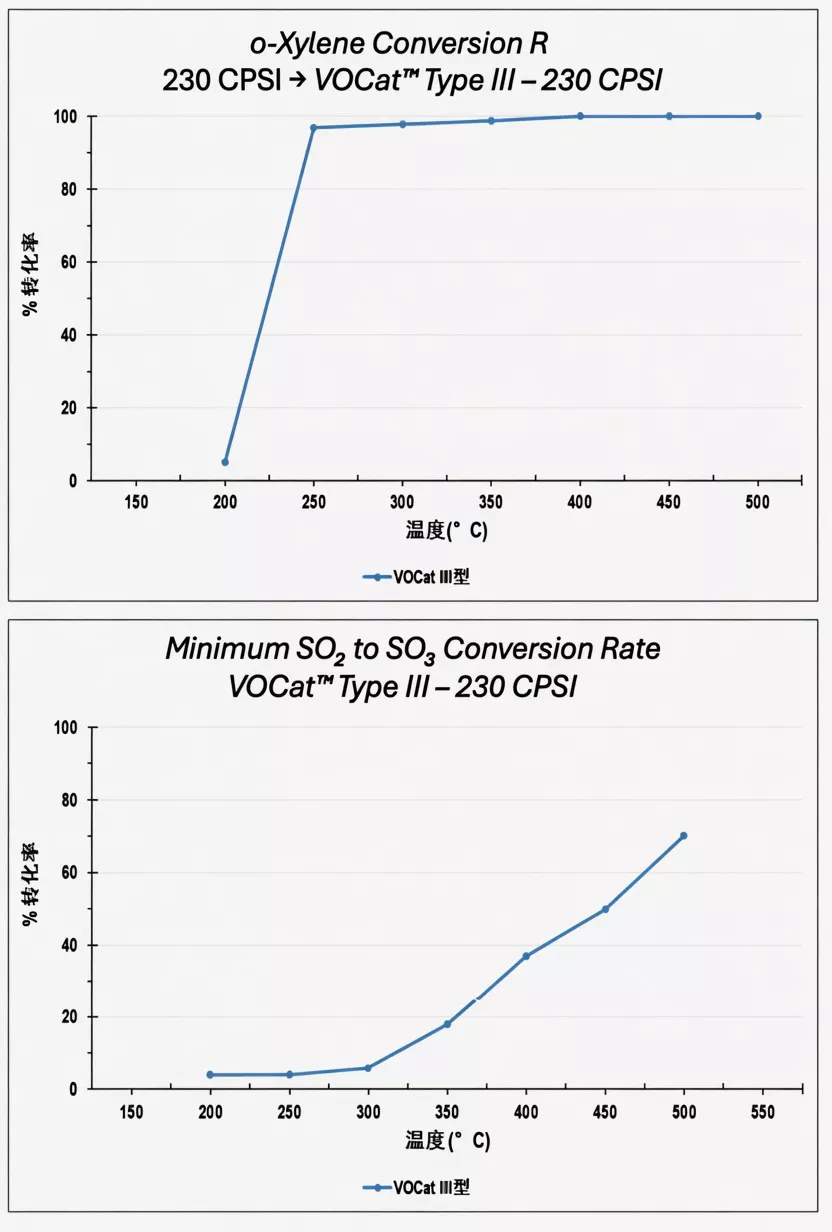
| o-Xylene conversion at 350 °C | ≥ 99% | ≥ 98% | 230 CPSI, GHSV 30,000 h-1 |
| CO oxidation | ≥ 99% | ≥ 99% | 300 °C, 200 ppm CO inlet |
| SO2 to SO3 conversion at 350 °C | < 5% | < 5% | 200 ppm SO2 inlet |
| SO2 to SO3 conversion at 500 °C | < 15% | < 15% | 200 ppm SO2 inlet |
| Pressure drop | ≤ 200 Pa | ≤ 200 Pa | Per 150 mm module |
| Mechanical strength | ≥ 1.8 MPa | ≥ 1.5 MPa | Axial crush |
| Service life (PA tail gas) | 5 to 7 years | 4 to 6 years | Continuous duty |
Why Choose Ever-power Sulfur-Resistant Catalysts
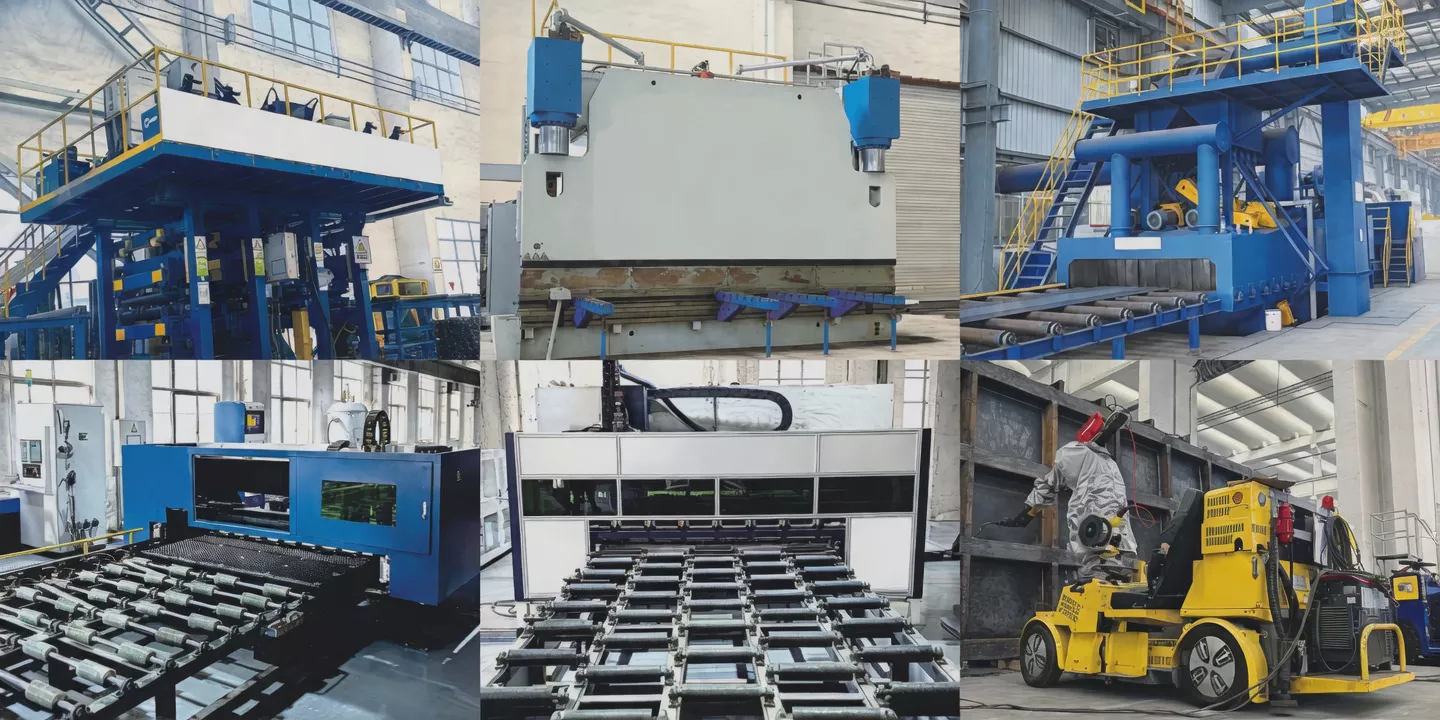
For more on Ever-power’s catalyst manufacturing, quality control labs and group capabilities, visit our company page.

Australian Project Highlight
A specialty resin manufacturer in Greater Brisbane operates a phthalic anhydride synthesis line whose tail gas carries 250 ppm SO2 alongside o-xylene, MA and PA. Three previous catalyst generations had failed within 18 months due to sulphate poisoning and downstream acid mist corrosion. Ever-power supplied 9 m3 of VOCat 300S, configured for 30,000 h-1 GHSV at 380 °C operating temperature. After 36 months of continuous duty, conversion remains above 98% and SO3 in the stack is below the analytical detection limit.
Frequently Asked Questions
Why is SO2 to SO3 conversion so important?
SO3 forms sulphuric acid mist when it meets moisture downstream. That mist corrodes ductwork, fans, heat exchangers and stack liners, and creates a visible blue plume. Holding SO2 to SO3 conversion below 15% protects the asset and keeps the stack visually clean.
What sulphur concentrations can these catalysts handle?
VOCat 300S and Type III routinely operate at SO2 inlet concentrations of 100 to 500 ppm. Higher concentrations are possible with adjusted formulation and reactor sizing.
How do sulfur-resistant catalysts compare to thermal incineration?
A catalytic system runs at 350 to 500 °C versus 750 to 850 °C for thermal incineration, cutting auxiliary fuel by 50 to 70%. Capital cost is higher than a basic incinerator but payback is typically under 24 months on continuous duty.
Can sulfur-resistant catalysts be regenerated?
Yes. Mild deactivation can often be reversed with controlled hot-gas flushing or chemical washing. Severe sulphation usually warrants replacement, and we provide a quote for both options after sample testing.
Will the catalyst tolerate occasional temperature excursions?
Both VOCat 300S and Type III are rated to 802 °C for transient exposure. Sustained operation above the listed maximum operating temperature should be avoided to preserve activity.
What inlet data do you need for sizing?
We need volumetric flow at operating conditions, full VOC speciation, SO2 and H2S levels, particulate loading, moisture, oxygen and target outlet limits. A reactor outline or P&ID makes the sizing review faster.
Do you offer a performance warranty?
Yes. Written warranties cover destruction efficiency, SO2 to SO3 conversion ceiling, and pressure drop for a defined period at agreed operating conditions, with sampling protocols documented in the supply contract.
Get a Sulfur-Resistant Catalyst Proposal
Send your inlet sulphur and VOC speciation, target outlet limits and reactor envelope. We will respond with a sized bed, performance guarantee and budget price within five working days.