설명
Ultra-Low-NOx Burners for Strict Emissions Compliance
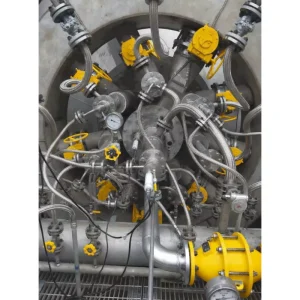
Ever-power ultra-low-NOx burners combine deep staged combustion, internal flue gas recirculation and multi-porous matrix nozzles to deliver NOx emissions below 30 mg/Nm3 on natural gas, with single-digit ppm performance available on selected duties. Each unit is engineered for the specific firebox, fuel composition and licence limit, and has been proven in process heaters, package boilers, ethylene cracking furnaces and ammonia reformers across Australia, North America and the European Union.
How Ever-power Achieves Ultra-Low-NOx Emissions
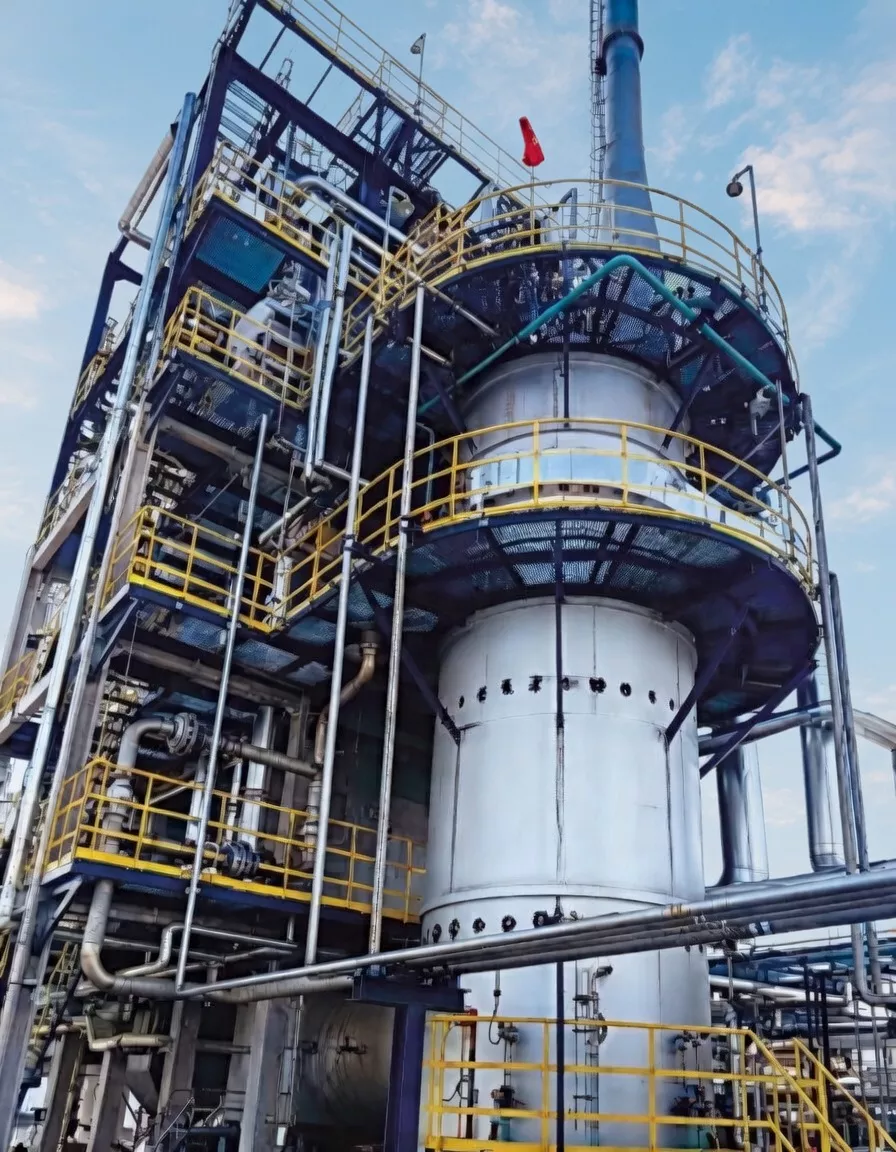
Thermal NOx forms exponentially with peak flame temperature. Our ultra-low-NOx burners attack that physics on three fronts: they spread combustion across staged zones to lower peak temperature, they recirculate inert flue gas back into the flame to dilute oxygen, and they use a multi-porous matrix nozzle to produce a uniform, low-momentum flame that resists hot spots.
Performance Specifications
| Parameter | Ultra-Low-NOx (FGR) | Surface Combustion | Test Reference |
|---|---|---|---|
| NOx (natural gas) | ≤ 30 mg/Nm3 | ≤ 9 ppm | 3% O2, dry |
| CO | ≤ 50 mg/Nm3 | ≤ 25 ppm | 3% O2, dry |
| Thermal capacity | 100 to 12,000 kW | 50 to 3,500 kW | Per unit |
| Turndown | 10:1 | 8:1 | Modulating |
| Excess air | 10 to 15% | 5 to 10% | At full load |
| Sound pressure | ≤ 85 dB(A) at 1 m | ≤ 78 dB(A) at 1 m | Free-field |
| Fuel options | NG, LPG, refinery gas | NG, LPG, hydrogen blends | Single or dual |
Configurations for Every Furnace Layout
Bottom-Fired
Vertical upward flame for vertical tubular heaters in steam reforming and hydrogen production. Uniform tube wall temperature reduces coking and tube failure.
Side-Fired
Horizontal flame for reformers and dehydrogenation furnaces. Compact footprint and excellent radiant heat distribution to process tubes.
Radiant Wall
Flat radiant flame embedded in the furnace wall, used in ethylene and hydrogen conversion furnaces where flux uniformity matters most.
Top-Fired
Vertical downward flame for ammonia synthesis converters and large primary reformers. Optimised for high heat flux at the catalyst bed inlet.
NOx Reduction Strategies Compared
| Technology | NOx Range | Capex | Footprint |
|---|---|---|---|
| Conventional burner | 150 to 250 mg/Nm3 | Baseline | Small |
| Low-NOx burner | 80 to 120 mg/Nm3 | +15% | Small |
| Ultra-low-NOx burner with FGR | 25 to 50 mg/Nm3 | +30% | Medium |
| Surface combustion ULN | 9 to 20 ppm | +45% | Medium |
| Burner + SCR add-on | ≤ 10 mg/Nm3 | +90% | Large |
Industries and Typical Applications
Why Choose Ever-power Ultra-Low-NOx Burners
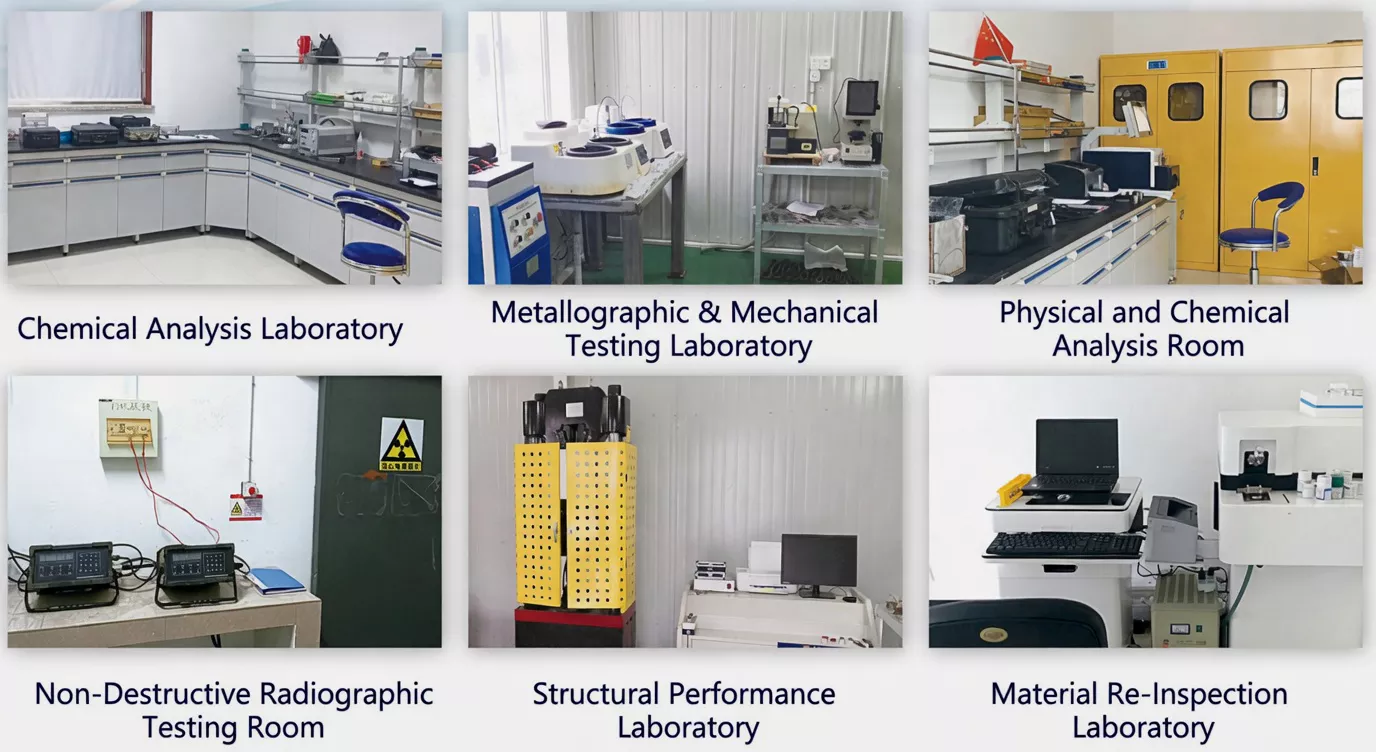
More about the people, plants and accreditations behind these burners is on our company page.
Australian Project Highlight
A heavy chemicals operator in Kwinana faced a tightened DWER licence reducing the NOx limit on their auxiliary boiler from 200 to 80 mg/Nm3. Ever-power supplied two 8 MW ultra-low-NOx burners with internal FGR. Site acceptance testing confirmed 28 mg/Nm3 NOx and 18 mg/Nm3 CO at full load, well inside the new licence.
Frequently Asked Questions
What NOx level qualifies as ultra-low?
In Australia, ultra-low-NOx generally means below 30 mg/Nm3 at 3% O2 on natural gas. North American specifications often quote 9 ppm or lower for surface combustion duty. Both targets are within Ever-power capability.
Do I still need an SCR if I install an ultra-low-NOx burner?
For most Australian licence conditions, no. SCR is generally only required where a permit demands single-digit ppm output. Surface combustion ULN burners can also reach that target without ammonia injection.
Can ultra-low-NOx burners run on hydrogen blends?
Yes. Standard ULN packages are validated for up to 30% hydrogen by volume. Higher fractions need a different mixer and flame arrestor specification, which is available on request.
How does internal FGR differ from external FGR?
Internal FGR uses the burner’s own aerodynamics to entrain flue gas into the throat, requiring no fan or external duct. External FGR uses a recirculation fan and ducting, achieves higher dilution rates and slightly lower NOx, but adds capex and footprint.
Will an ultra-low-NOx burner reduce thermal efficiency?
No. Excess air is held at 10 to 15% on FGR designs, similar to a tuned conventional burner. Most retrofits actually improve net thermal efficiency by 0.5 to 1.5% due to better flame uniformity and lower exit temperature.
What is the typical service life?
A correctly maintained ultra-low-NOx burner has a mechanical life of 20 years or longer. Wear parts such as the gas tip set and pilot are inspected during the annual outage and replaced as needed.
Can existing burners be retrofitted to ultra-low-NOx?
In many cases yes. We assess the existing register, throat geometry and BMS, then provide a retrofit kit. Where the firebox is too small, a complete burner replacement is recommended.
Request Your ULN Burner Datasheet
Send us the firebox drawing, fuel composition and licence limit. We will return a datasheet showing predicted NOx, CO, flame envelope and indicative price within five working days.