

1. Summary
In the heart of Australia’s thriving renewable energy sector, biodiesel and ethanol production facilities are pivotal to meeting national sustainability goals. But as these plants ramp up operations to satisfy growing demand for biofuels, they face a hidden challenge: managing volatile organic compounds (VOCs) from fermentation, distillation, and solvent recovery processes. These emissions not only pose environmental risks but can also lead to regulatory fines and operational downtime. At Ever-Power (Australia) Co., Ltd., we’re at the forefront of providing robust Regenerative Thermal Oxidizer (RTO) solutions tailored for this industry. Our systems achieve up to 99% VOC destruction efficiency while recovering 95% of thermal energy, turning waste heat into usable steam or hot water for plant processes.
Drawing from over a decade of experience in industrial air pollution control, this article explores how RTO technology is transforming emissions management in biodiesel and ethanol plants. We’ll dive into the specifics of Australian regulations, compare global standards, analyze emerging trends, and highlight our customized services. Whether you’re a plant manager in Queensland or a sustainability officer in Victoria, understanding these systems can help you achieve compliance and cost savings. For more on our flagship products, check out our classic rotary valve RTO.
2. Understanding VOC Challenges in Biodiesel and Ethanol Production
Biodiesel and ethanol plants in Australia process feedstocks like used cooking oil, animal fats, sugarcane, or grain, generating VOCs such as methanol, acetaldehyde, and esters during key stages. Fermentation in ethanol plants releases ethanol vapors and aldehydes, while biodiesel transesterification involves methanol recovery, often leading to fugitive emissions. These VOCs contribute to smog formation and can have odor issues, impacting nearby communities in rural areas like those around Bundaberg’s sugar mills or Adelaide’s grain belts.
Traditional control methods, like scrubbers or carbon adsorption, often fall short in handling the variable concentrations and high moisture content typical of biofuel exhaust streams. RTO systems excel here by using ceramic media to preheat incoming gases, oxidizing VOCs at 800-1000°C with minimal fuel input. In Australian conditions, where plants deal with humid coastal climates or dusty inland environments, our RTOs incorporate pre-filters to handle particulates from biomass handling, ensuring longevity and efficiency.
For instance, in a typical 50,000-liter-per-day ethanol facility, exhaust volumes can reach 10,000-50,000 m³/h with VOC concentrations of 500-2,000 ppm. Our RTOs maintain emissions below 20 mg/m³ NMHC (non-methane hydrocarbons), aligning with strict local guidelines. This not only prevents shutdowns but also qualifies plants for carbon credits under Australia’s Safeguard Mechanism.
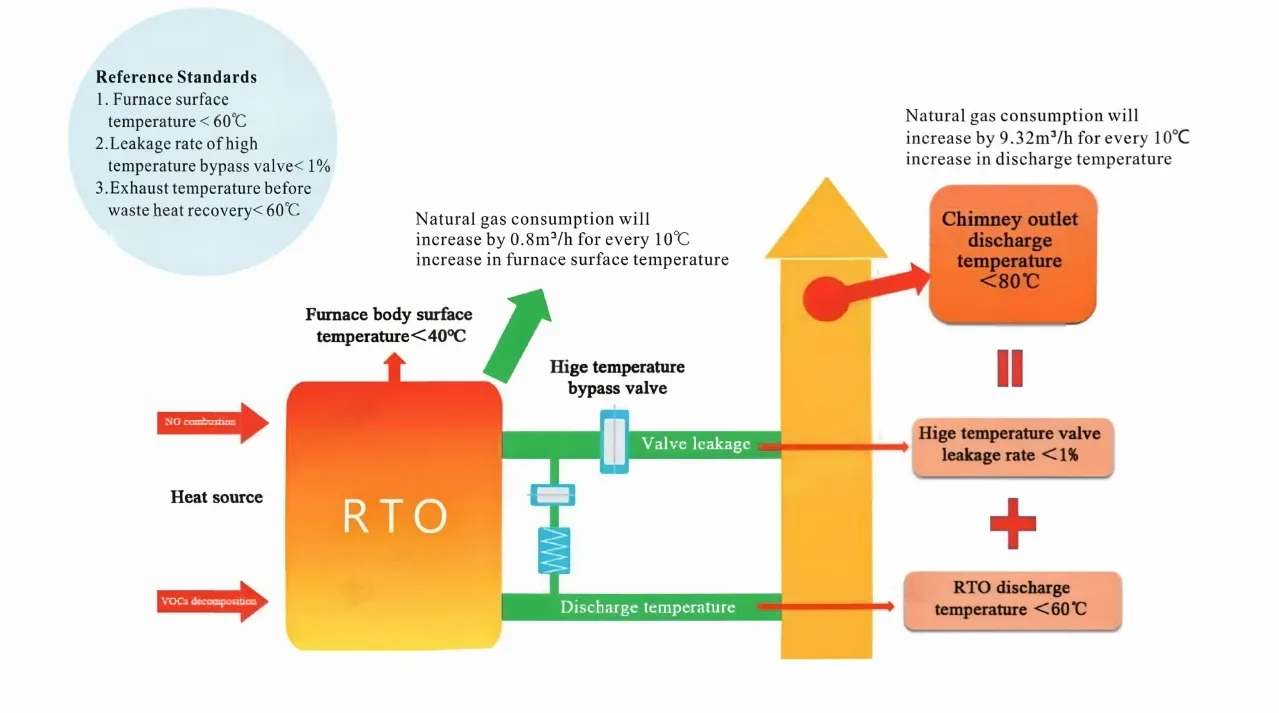

3. Ever Power RTO Technical Specifications
| Performance | 2-bed RTO | 3-bed RTO | Rotary Valve RTO | Notes |
|---|---|---|---|---|
| Technicality | First generation | Second generation | Third generation | |
| Number of chambers | 2 | 3 | 12 | Rotary valve operates continuously |
| Number of valves | 4 | 9 | / | |
| Reliability | Valve switching times per year: 350,000 | Valve switching times per year: 520,000 | / | |
| Piping pressure fluctuation | ±500pa | ±250pa | ±25pa | |
| Discharge compliance | Total purification efficiency: 95% | Total purification efficiency: 99% | Total purification efficiency: 99.5% | 99.5% |
| Maximum treating range | < 1g | < 5g | < 10g | 50mg/m³ discharge standard |
| Heat dissipation surface area | 100m² | 145m² | 95m² | |
| Energy saving | Thermal efficiency: 90% | Thermal efficiency: 95% | Thermal efficiency: 96% | 96% |
| Start-up heating time | 2.5h | 2.5h | 2h | Cold furnace start-up (Ethyl acetate) |
| Self-operation concentration | 2.5g/m³ | 2.2g/m³ | 1.8g/m³ | |
| Economy | Regenerative ceramic filling volume: 18m³ | Regenerative ceramic filling volume: 26m³ | Regenerative ceramic filling volume: 17m³ | 17m³ |
| Practicality | Occupation of land: L12×W7 | Occupation of land: L16×W7 | Occupation of land: L12×W7 | L12×W7 |
4. Global and Local Regulations Shaping RTO Adoption in Biofuel Industries
Australia’s regulatory landscape for VOC emissions in biodiesel and ethanol plants is rigorous, driven by the National Environment Protection (Air Toxics) Measure and state-specific rules. Under the New South Wales EPA’s Protection of the Environment Operations Act, biofuel facilities must limit VOCs to under 10 mg/m³ for certain compounds, often mandating best available techniques like RTOs. In Victoria, the Environment Protection Authority (EPA Victoria) enforces similar standards via the Environment Protection Act 2017, with stack testing required annually. Queensland’s Environmental Protection Regulation 2019 targets odor and VOC thresholds, particularly in sugarcane-heavy regions, where ethanol plants face scrutiny for aldehyde releases.
Neighboring countries echo these priorities. New Zealand’s Resource Management Act requires biofuel producers to use RTO-like systems for VOC control, with consents from regional councils like those in Auckland emphasizing zero-odour impacts. In Indonesia, a major palm oil biodiesel hub, the Ministry of Environment’s Regulation No. 5/2018 sets VOC limits at 150 mg/m³, pushing plants toward thermal oxidation amid anti-deforestation laws. Papua New Guinea and Fiji, with emerging biofuel sectors, follow WHO air quality guidelines, often adopting Australian standards for imported tech.
Globally, top biofuel-producing nations enforce stringent rules. The United States’ EPA Clean Air Act (via NESHAP standards) mandates 98% VOC reduction for ethanol plants, with states like California requiring RTOs for facilities over 10 tons/year VOC emissions. Brazil, the world’s second-largest ethanol producer, enforces CONAMA Resolution 430/2011, limiting VOCs to 20 mg/m³ and promoting RTO integration with bagasse boilers. In the EU (e.g., Germany under TA Luft), biodiesel plants must achieve 99% destruction efficiency, while China’s GB 37823-2019 standard for petrochemicals extends to biofuels, capping emissions at 50 mg/m³. India (under CPCB guidelines) and Thailand (via Pollution Control Department) are tightening VOC rules, with Thailand’s biodiesel boom requiring RTOs for palm oil mills. Even in top producers like Argentina and Malaysia, laws like Argentina’s Resolution 177/2007 and Malaysia’s Environmental Quality Act demand advanced controls, often referencing EU BAT references.
5. Emerging Trends in RTO Technology for Biofuel Plants
The biofuel industry is evolving rapidly, and RTO systems are adapting to meet new demands for sustainability and efficiency. One key trend is integrating RTOs with carbon capture and storage (CCS) modules. In ethanol plants, where CO2 from fermentation is already captured for food-grade use, advanced RTOs can incorporate post-combustion capture, reducing overall carbon footprints by 20-30%. For example, our systems can be retrofitted with amine scrubbers to trap CO2 from oxidized exhaust, aligning with Australia’s net-zero 2050 targets.
Another innovation is combining RTOs with zeolite wheel concentrators for low-concentration streams. In biodiesel facilities handling dilute methanol vapors, this hybrid boosts efficiency by concentrating VOCs 10-20 times before oxidation, slashing energy use by 40%. We’re also seeing a shift to hydrogen-fueled burners in RTOs, reducing NOx emissions and supporting green hydrogen initiatives in regions like South Australia’s Hydrogen Action Plan.
Sustainability analysis shows RTOs can cut a plant’s carbon footprint significantly. A standard 95% heat recovery RTO processing 20,000 m³/h exhaust might save 500 tons of CO2 annually by minimizing natural gas consumption—equivalent to planting 8,000 trees. As biofuel plants aim for circular economies, these trends position RTOs as enablers of zero-waste operations.
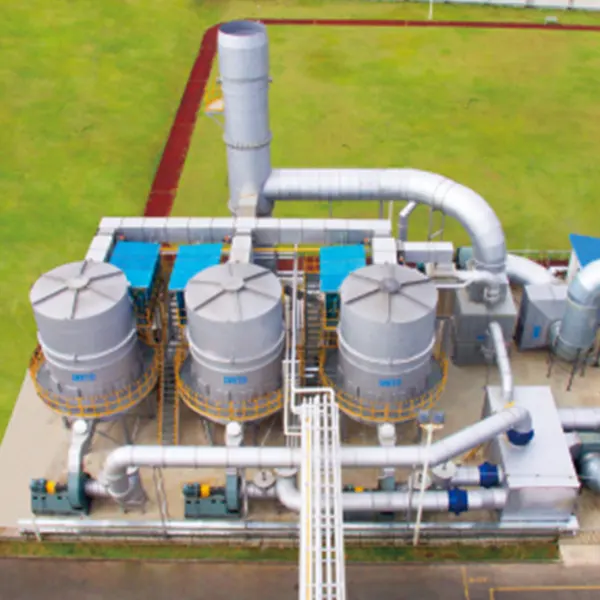

6. Customized RTO Solutions for Australian Biofuel Challenges
Ever-Power specializes in providing customized Regenerative Thermal Oxidizer (RTO) solutions for the unique challenges faced by Australian biodiesel and ethanol producers – from distilleries in the high-humidity coastal regions of Queensland to dusty grain processing plants in the outback. Our engineering team conducts on-site exhaust gas analysis to determine pre-filter sizing, select corrosion-resistant alloys, and optimize the heat recovery system based on your specific needs.
This customized service also includes the integration of AI-driven control systems for predictive maintenance, ensuring equipment uptime in remote locations such as biofuel centers in Western Australia. For more information about our customized solutions, please visit our company website.
7. Additional Insights: Unique Perspectives on RTO Integration
Beyond standard applications, consider RTOs paired with bioenergy recovery. In ethanol plants, excess heat from RTOs can preheat mash for distillation, boosting energy efficiency by 15%. Another overlooked angle is using RTO exhaust for greenhouse heating in co-located agribusinesses, creating symbiotic systems in Australia’s vast farmlands.
Innovatively, we’re exploring modular RTO designs for mobile biodiesel units, ideal for seasonal oilseed processing in rural Victoria. Sustainability-wise, lifecycle assessments show our RTOs reduce Scope 1 emissions by 25% compared to flares, with payback periods under 3 years via energy savings.
Finally, as quantum computing advances emissions modeling, future RTOs could use AI to simulate molecular oxidation in real-time, optimizing for variable biofuel feedstocks like algae-derived oils.
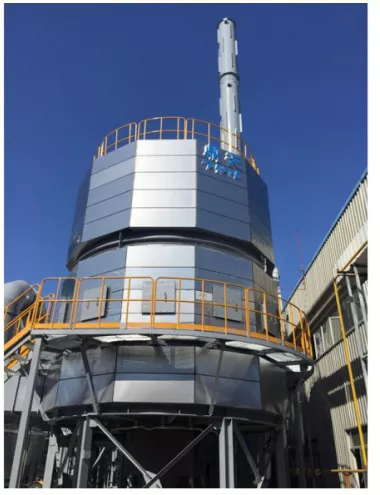

8. World Success Stories
8.1. Client Profile: Biodiesel Production Facility in Brazil
Industry: Biofuel (Biodiesel Production)
Application: Methanol Recovery and VOC Destruction in Transesterification Process
Success Story:
A large biodiesel production plant in Brazil, which primarily processed palm oil feedstock, needed an efficient solution to control VOC emissions from methanol recovery during the transesterification process. The facility adopted an RTO from Haden Environmental, which successfully reduced VOC emissions by over 99%, including methanol, acetone, and aldehydes. The system also featured a heat recovery component that preheated incoming gases, reducing the need for additional fuel. As a result, the plant lowered its energy consumption by 35%, and the installation helped them meet Brazil’s strict CONAMA regulations for VOC control. The plant also reduced operational downtime and maintenance costs, thanks to the durability and efficiency of the RTO.
8.2. Client Profile: Biodiesel Plant in Indonesia
Industry: Biofuel (Biodiesel Production)
Application: Odor and VOC Control for Palm Oil Biodiesel Production
Success Story:
A biodiesel plant in Indonesia, focused on converting palm oil into biodiesel, struggled with strong odors and high VOC emissions from the biodiesel production process. The plant installed an RTO system from Thermal Engineering, which successfully addressed the odor issue while achieving 98% VOC destruction efficiency. The RTO’s integration with a zeolite wheel concentrator further improved efficiency by concentrating the VOCs before oxidation, reducing the size and energy demands of the system. This system not only ensured compliance with Indonesia’s Ministry of Environment Regulation but also reduced the plant’s carbon footprint. Additionally, the plant benefited from significant energy savings through the heat recovery feature, which was used to support the biodiesel refining process.
8.3. Client Profile: Ethanol Plant in India
Industry: Biofuel (Ethanol Production)
Application: VOC Destruction and Heat Recovery in Fermentation and Distillation
Success Story:
An ethanol production facility in India faced challenges with the high VOC concentrations in the exhaust air generated from its fermentation and distillation processes. To address this, the facility implemented an RTO system from ECO-Technologies. The RTO successfully reduced VOC emissions by 95%, including aldehydes and ethanol vapors, bringing the facility in line with India’s Central Pollution Control Board (CPCB) standards. The system’s heat recovery feature significantly reduced the plant’s natural gas consumption, saving approximately 20% on fuel costs. The RTO’s ability to efficiently handle high-moisture, variable exhaust streams made it an ideal solution for the plant’s operational needs, ensuring compliance and improving overall energy efficiency.
8.4. Client Profile: Biodiesel Facility in Germany
Industry: Biofuel (Biodiesel Production)
Application: VOC Control and Odor Abatement in Biodiesel Production from Waste Oils
Success Story:
A biodiesel production facility in Germany, using waste cooking oil as a feedstock, encountered significant odor and VOC emissions during the transesterification process. The plant installed an RTO system from ECO-Technologies, designed to handle the specific VOCs emitted by the transesterification reaction, including methanol and fatty acids. The RTO achieved a VOC destruction efficiency of 99%, with heat recovery reducing energy costs by up to 40%. The installation helped the plant meet the stringent EU Industrial Emissions Directive (IED) standards and contributed to their sustainability goals by reducing emissions and improving energy efficiency. The system also provided the plant with additional process heat, supporting other parts of the facility and further lowering operating costs.
*Disclaimer: The other brand names mentioned above are provided solely for illustrative purposes. We do not offer original products or equipment bearing these brand names.
9. Related Solutions

10. Frequently Asked Questions
Q1. How much does a custom RTO system cost for an ethanol plant in Queensland, Australia?
A1. Costs for a tailored RTO in Queensland typically range from AUD 500,000 to 2 million, depending on exhaust volume and add-ons like zeolite concentrators. Factors include site-specific humidity adaptations and compliance with local EPA rules—contact us for a free quote.
Q2. What is the best RTO supplier for biodiesel VOC control in New South Wales, including installation prices?
A2. Ever-Power stands out as a top supplier in NSW, with turnkey installations starting at AUD 750,000. We handle everything from profiling to commissioning, ensuring alignment with Protection of the Environment Operations Act—request a detailed price breakdown today.
Q3. Where can I find RTO quotes for ethanol fermentation emissions in Victoria, with carbon capture options?
A3. In Victoria, quotes for RTOs with CCS integration start around AUD 1.2 million. Our systems capture CO2 from exhaust, complying with EPA Victoria standards—visit our site or call for a customized quote including sustainable features.
Q4. Which RTO model is ideal for biodiesel plants in Western Australia, and what’s the supplier contact?
A4. Our classic rotary valve RTO is perfect for WA’s biodiesel facilities, handling high-moisture streams efficiently. As a local supplier, contact us at #contacts for models, pricing, and Perth-based support.
Q5. When should I install an RTO for VOC reduction in a New Zealand ethanol distillery, and what’s the cost?
A5. Install during expansions to meet Resource Management Act requirements—costs in NZ range from NZD 600,000 to 1.5 million. We provide cross-border quotes with rapid delivery from Australia.
Q6. How to choose an RTO supplier for biodiesel odor control in Indonesia, including price estimates?
A6. Select suppliers like us with experience in palm oil biodiesel; prices start at USD 400,000. We ensure compliance with Ministry of Environment regs—get a quote tailored to Indonesian humidity challenges.
Q7. What are the running costs of RTO systems for ethanol plants in Brazil, from top suppliers?
A7. In Brazil, annual operating costs for our RTOs are around BRL 200,000, including fuel and maintenance. As a global supplier, we align with CONAMA standards—request a cost analysis for your facility.
Q8. Where to get RTO installation quotes for biodiesel VOCs in Malaysia, with local supplier options?
A8. Malaysia quotes for palm biodiesel RTOs begin at MYR 1.8 million from suppliers like us. We handle Environmental Quality Act compliance—contact #contacts for site visits and pricing.
Q9. Which features make RTOs cost-effective for ethanol emissions in the US, from Australian suppliers?
A9. Features like 95% heat recovery cut costs by 30% under EPA NESHAP—quotes from us start at USD 800,000. As an international supplier, we offer US-compliant designs with quick shipping.
Q10. How does RTO pricing work for biodiesel plants in India, including supplier comparisons?
A10. Pricing in India ranges from INR 3-10 crore, with our systems emphasizing low OPEX via energy recovery. Compare us to locals for CPCB compliance—get a competitive quote now.
Editor: PXY