

1. Summary
In the rugged landscapes of Australia’s oil and gas sector, where multiphase extraction pulls together oil, gas, and water from deep reservoirs, managing volatile organic compounds (VOCs) isn’t just a regulatory checkbox—it’s essential for operational efficiency and environmental stewardship. At Ever-Power (Australia) Co., Ltd., we specialize in Regenerative Thermal Oxidizers (RTOs) tailored for these demanding applications. Our systems destroy up to 99% of harmful emissions while recovering heat to cut energy costs. In this post, we’ll explore how RTOs fit into multiphase and dual-phase extraction processes, dive into global regulations shaping the industry, analyze emerging trends, and highlight our custom engineering approach. If you’re dealing with VOCs from extraction sites in the Pilbara or Bass Strait, read on to see how our solutions can help.
For more on our full range of products, check out our classic rotary valve RTO. Or visit our blog for more industry insights.
2. Understanding Multiphase and Dual-Phase Extraction and the Role of RTOs
Multiphase extraction involves handling mixed flows of liquids and gases from wells, often in offshore or remote onshore sites across Australia. Dual-phase systems, common in groundwater remediation or enhanced oil recovery, separate vapors from liquids under vacuum. Both processes release VOCs like benzene, toluene, and methane, which can pose health risks and contribute to air pollution if not controlled.
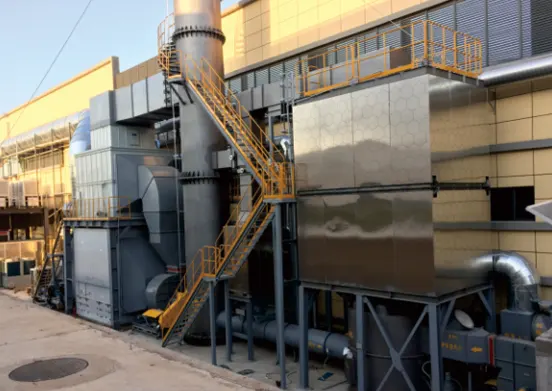
RTOs excel here by using ceramic media to capture and reuse heat from combustion, achieving thermal efficiencies of 95% or higher. In a typical setup for an Australian extraction site, waste gases enter the RTO at temperatures around 20-50°C, get preheated to 800-1000°C in the combustion chamber, and exit as clean exhaust with VOC destruction rates exceeding 98%. This not only minimizes emissions but also integrates seamlessly with site operations, reducing downtime in harsh environments like those in Western Australia’s mining regions.
One innovative application we’re seeing more of is pairing RTOs with zeolite wheel concentrators for low-concentration VOC streams. This combo boosts efficiency by concentrating dilute gases before oxidation, cutting fuel use by up to 50%—perfect for remote sites where energy logistics are a challenge.
3. Global and Local Regulations on RTOs and Waste Gas Emissions in the Extraction Industry
Navigating emissions laws is crucial for operators in multiphase extraction. In Australia, the National Pollutant Inventory (NPI) under the Environment Protection and Biodiversity Conservation Act 1999 mandates reporting and control of VOCs from oil and gas facilities. The Clean Air Regulation 2010 in New South Wales, for instance, sets strict limits on VOC emissions at 20 mg/m³ for non-methane hydrocarbons, often requiring technologies like RTOs for compliance. Victoria’s Environment Protection Authority (EPA) enforces similar standards via the Environment Protection Act 2017, with penalties for exceedances reaching AUD 1.6 million.
Neighboring countries echo these priorities. In New Zealand, the Resource Management Act 1991 and regional air plans limit VOCs to 50 mg/m³, pushing extraction firms toward advanced oxidizers. Indonesia’s Regulation of the Minister of Environment No. 5/2018 caps VOC emissions at 100 mg/m³ for oil and gas, with RTOs increasingly adopted in Sumatra’s fields amid growing enforcement. Papua New Guinea’s Environment Act 2000 requires best available techniques, aligning with RTO use in LNG projects.
Globally, top oil-producing nations set the bar high. The United States’ EPA Clean Air Act, via New Source Performance Standards (NSPS) Subpart OOOOa, mandates 95% VOC reduction for extraction vents, favoring RTOs in states like Texas. Canada’s Oil and Gas Methane Regulations aim for 45% methane cuts by 2025, integrating RTOs with carbon capture. Saudi Arabia’s Royal Commission for Jubail and Yanbu standards limit VOCs to 35 mg/m³, while Norway’s Pollution Control Act requires near-zero emissions offshore, often through RTO hybrids. Russia’s Federal Law No. 7-FZ on Environmental Protection enforces 50 mg/m³ limits, with RTOs common in Siberian fields. In the UAE, Abu Dhabi’s Environment Agency guidelines cap VOCs at 20 mg/m³, promoting RTOs in desert operations. Brazil’s CONAMA Resolution 430/2011 sets 80 mg/m³ thresholds, while Mexico’s NOM-085-SEMARNAT-2011 requires 95% efficiency. China’s GB 37822-2019 standard limits VOCs to 60 mg/m³, influencing global suppliers. These laws not only drive RTO adoption but also emphasize monitoring and reporting, making compliance documentation a key selling point.


4. Emerging Trends in RTO Technology for Extraction Applications
The oil and gas sector is evolving rapidly, and RTOs are at the forefront of sustainable innovations. One key trend is integrating RTOs with carbon capture and storage (CCS) systems. By capturing CO₂ post-combustion, these hybrids can reduce a site’s carbon footprint by 90%, aligning with Australia’s push toward net-zero by 2050 under the Paris Agreement. We’ve seen this in pilot projects where RTO exhaust is funneled into amine scrubbers for CO₂ sequestration, turning waste heat into a revenue stream via carbon credits.
Another shift is toward hydrogen-fueled burners in RTOs. As Australia ramps up green hydrogen production in hubs like Gladstone, switching from natural gas to hydrogen cuts NOx emissions by up to 80% without sacrificing VOC destruction efficiency. This is particularly relevant for dual-phase extraction sites near renewable energy sources, where hydrogen integration could lower operational costs by 20-30% over time.
Sustainability metrics are also gaining traction. Operators now calculate RTOs’ carbon footprint reductions using tools like ISO 14067 standards. For a typical 50,000 m³/h system in multiphase extraction, an RTO with 95% heat recovery might offset 500 tons of CO₂ annually compared to flaring— a quantifiable win for ESG reporting.
Finally, AI-driven predictive maintenance is emerging. Sensors monitor ceramic bed pressure drops and valve cycles, predicting failures weeks in advance to avoid unplanned shutdowns in remote Australian fields.
Explore our company profile to see how we’re leading these trends.
5. Customized RTO Solutions for Australian Extraction Challenges
Ever-Power specializes in bespoke RTO solutions for the unique challenges of Australian asphalt producers—from high-silica dust in outback quarries to coastal humidity in Queensland plants. Our engineering team conducts on-site exhaust profiling to size pre-filters, select corrosion-resistant alloys, and optimize heat recovery based on your utility needs. With service hubs in Sydney and Perth, we offer rapid spare parts delivery, operator training in English, and 24/7 remote diagnostics. Unlike generic suppliers, we deliver full turnkey projects including civil works coordination, commissioning, and compliance documentation aligned with NSW EPA or VIC DELWP requirements. Every system is factory-tested before shipment to ensure seamless startup.
This customization extends to multiphase extraction, where we adapt RTOs for variable gas compositions, incorporating features like automatic dilution for safe handling of high-methane streams.
6. Technical Deep Dive: How RTOs Handle Extraction Waste Gases
In multiphase extraction, waste gases often include a mix of hydrocarbons and water vapor, demanding robust pre-treatment. Our RTOs start with particulate filters to remove sand or emulsions, preventing bed fouling. Gases then flow through regenerative chambers, where heat exchange achieves 95% efficiency, minimizing fuel needs in energy-scarce outback sites.
A unique viewpoint: Combining RTOs with membrane separation for pre-concentration can enhance methane recovery, turning emissions into usable fuel—a game-changer for dual-phase systems in gas-rich basins like the Cooper.
Post-oxidation, we incorporate selective catalytic reduction (SCR) for NOx control, ensuring emissions stay below 50 mg/m³ even in high-sulfur feeds common in Australian crudes.
7. Customer Success Stories
Client 1 Profile: Western Australia – Oil & Gas Extraction
Customer Reviews:
“Our site in the Pilbara region , with frequent dust storms and high corrosion from saltwater. We needed a solution that could handle fluctuating VOCs while minimizing downtime. Ever-Power’s custom RTO system has been a game changer. The system’s 99% VOC destruction rate and its heat recovery efficiency have significantly lowered our operational costs. The addition of corrosion-resistant materials, like 316L stainless steel, ensures that the system withstands the harsh environment, providing us with long-term reliability. We’re now meeting all regulatory standards and have even reduced our fuel costs by 25%. The support from Ever-Power’s team during installation and their fast response times for maintenance have been exceptional.”
— James T., Site Manager, Western Australia
Client 2 Profile: Queensland – Dual-Phase Extraction
Customer Reviews:
“Working in Queensland’s gas fields presents unique challenges with high humidity and variable extraction flows. Ever-Power’s RTO system has been a perfect match for our needs. The system’s design is adaptable, efficiently handling our fluctuating VOC emissions with minimal fuel consumption, thanks to the heat recovery feature. It also helps us stay well below Queensland’s stringent VOC limits, keeping our operations compliant and avoiding penalties. I particularly appreciate the flexibility of the rotary valve system that operates continuously without major interruptions. It’s been a reliable investment, and the support team has always been available to assist with any issues.”
— Mark R., Environmental Consultant, Queensland
Client 3 Profile: California, USA – Superfund Site Remediation
Customer Reviews:
“Our team in California has been managing a large Superfund site that’s contaminated with a variety of VOCs, including toluene and benzene. With state-specific regulations demanding a 95% reduction in emissions, we turned to Ever-Power for a solution. Their RTO system has been nothing short of impressive. It’s incredibly efficient, reducing our VOC emissions to below the required levels, and it integrates seamlessly with our existing air stripping system. What really stands out is the system’s ability to manage the complex mixture of contaminants without sacrificing performance, even during peak extraction periods. The energy savings have been significant—roughly 30%, which is crucial given the high energy demands in the area. We’re very pleased with the results.”
— Robert H., Environmental Engineer, California
Client 4 Profile: New Zealand – Gas Field Extraction
Customer Reviews:
“We’ve been dealing with high VOC concentrations from our gas extraction site in New Zealand, and finding a solution that can manage the emissions while adhering to the Resource Management Act’s stringent regulations has been challenging. After installing Ever-Power’s RTO system, we’ve seen an immediate improvement. The system’s 99% VOC destruction rate has helped us stay well within the legal limits, and the integration of the zeolite concentrator has boosted our system’s efficiency by up to 40%. This has not only saved us on fuel but has also made our operations more sustainable. The Ever-Power team provided excellent training and support during the installation, and the system has been running smoothly ever since.”
— Jessica P., Site Supervisor, New Zealand
Client 5 Profile: Brazil – Oil Extraction in Amazon Basin
Customer Reviews:
“Managing oil extraction in Brazil’s Amazon Basin comes with significant challenges—high humidity, dense vegetation, and strict environmental regulations. We required a VOC treatment solution that could handle these conditions without compromising efficiency. Ever-Power’s RTO system fit the bill perfectly. The system is designed to withstand the humid environment, and the efficiency is outstanding. We’ve been able to reduce our VOC emissions by over 90%, ensuring compliance with CONAMA Resolution 430. What’s even better is the energy savings we’ve seen, with the system recovering and reusing heat. The quick response times for technical support and the system’s low maintenance needs have been an added bonus. It’s been a reliable and cost-effective solution for our site.”
— Andre S., Operations Manager, Brazil
8. Related Solutions

9. Frequently Asked Questions (FAQs)
Q1. How much does a custom RTO system cost for multiphase extraction in Western Australia?
A1. Costs for a tailored RTO in WA typically range from AUD 500,000 to 2 million, depending on airflow capacity and site-specific features like corrosion resistance. Factors include installation in remote Pilbara areas—contact us for a free quote based on your exhaust profile.
Q2. What are the best RTO suppliers for dual-phase extraction projects in Queensland’s gas fields?
A2. Top suppliers like Ever-Power offer Queensland-compliant systems with heat recovery up to 95%. We provide end-to-end service from design to compliance with QLD DES regulations—get a personalized supplier comparison and price estimate today.
Q3. Where can I find RTO installation quotes for oil and gas extraction in New South Wales?
A3. For NSW sites, quotes start at AUD 300,000 for smaller units. Ever-Power handles EPA approvals and on-site installs—reach out for a no-obligation quote including transport from our Sydney hub.
Q4. Which RTO models work best for VOC treatment in multiphase extraction near Melbourne?
A4. Rotary valve RTOs are ideal for Melbourne-area extraction, offering 99% VOC destruction. We customize for VIC’s humid conditions—request a model selection guide and pricing details aligned with DELWP standards.
Q5. When should I upgrade my RTO for dual-phase extraction compliance in South Australia?
A5. Upgrade if emissions exceed 20 mg/m³ under SA EPA rules, ideally before 2026 audits. Ever-Power offers audits and upgrade quotes—schedule a site visit to assess costs and timelines.
Q6. How to choose an RTO supplier for multiphase oil extraction in Indonesia’s offshore platforms?
A6. Look for suppliers with ASEAN experience; Ever-Power provides robust models for high-humidity Indonesian sites. Get a supplier evaluation and cost breakdown for compliance with Minister of Environment regs.
Q7. What is the price range for RTO systems in New Zealand’s gas extraction industry?
A7. Prices in NZ range from NZD 400,000 to 1.5 million. We tailor for RMA compliance—contact us for a detailed price quote and case studies from Taranaki Basin projects.
Q8. Where to buy affordable RTO equipment for dual-phase extraction in Saudi Arabia’s oil fields?
A8. Affordable options start at USD 200,000; Ever-Power exports to Saudi with RCER compliance. Request a buyer’s guide with pricing and shipping quotes to Jubail or Yanbu.
Q9. Which RTO features reduce costs for VOC control in US Texas multiphase extraction?
A9. Features like 95% heat recovery cut fuel costs by 40%. For Texas ops under EPA NSPS, we offer feature comparisons and cost-saving quotes—let’s discuss your setup.
Q10. How can I get a quote for RTO installation in Brazil’s pre-salt oil extraction sites?
A10. Quotes for Brazil start at BRL 1 million, including CONAMA 430 compliance. Ever-Power handles logistics to Santos Basin—send your specs for a customized installation quote.
Editor: PXY