Описание
Introduction
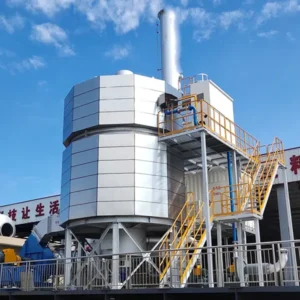
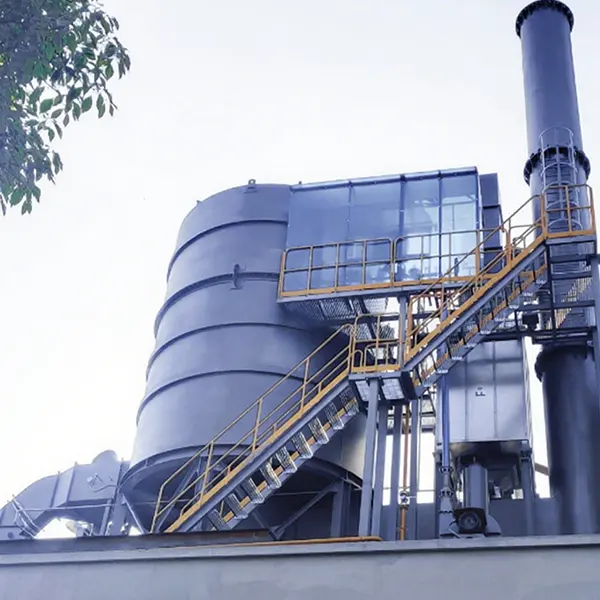
Bed RTO, also known as the classic rotary valve Regenerative Thermal Oxidizer, is a core equipment in the field of industrial waste gas treatment, designed for the treatment of volatile organic compounds (VOCs) and hazardous air pollutants (HAPs). Through high thermal oxidation technology, it can convert harmful gases into harmless carbon dioxide and water vapor while achieving high energy recovery. As an efficient rotary valve regenerative thermal oxidizer, Bed RTO is favored in global industrial applications. It is also called Three-Bed RTO and Rotary RTO, and is widely used to improve environmental compliance and energy efficiency.
What is Bed RTO?
Bed RTO is an advanced Regenerative Thermal Oxidizer system that uses a ceramic bed for heat regeneration and exchange. The core of the device lies in its rotary valve design, which can periodically switch the gas flow direction to ensure a continuous and efficient purification process. According to industry data, Bed RTO can achieve a destruction efficiency of more than 99% and a heat recovery rate of up to 95%-97%, making it an ideal choice for treating low-concentration, large-flow VOCs. Compared with traditional oxidizers, Bed RTO achieves direct heat exchange through a ceramic media bed, avoiding energy waste and supporting self-sustaining operation, that is, no additional fuel is required when the VOCs concentration is above 3%-4% LFL. This rotary valve regenerative thermal oxidizer efficiency design not only reduces operating costs, but also complies with strict environmental regulations.
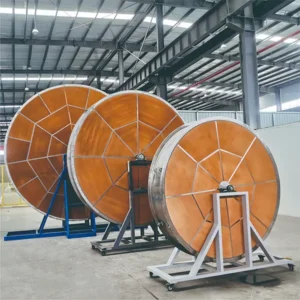
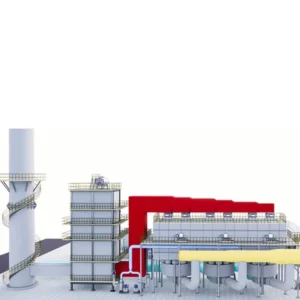
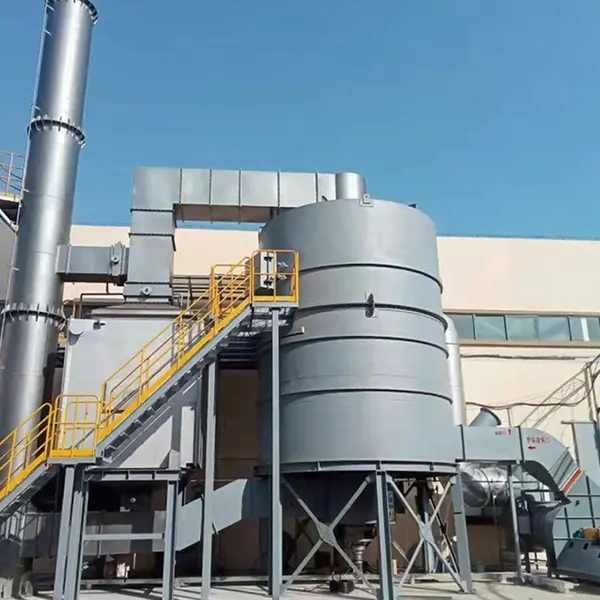
In actual applications, the structure of Bed RTO includes multiple regeneration chambers, combustion chambers and rotary valves. Ceramic fillers such as honeycomb ceramics or randomly stacked saddle media ensure rapid heating and significant heat exchange effects. Its innovative rotary valve technology can handle high-concentration, multi-component exhaust gases under complex working conditions. For users seeking a regenerative thermal oxidizer for industrial air pollution control, Bed RTO offers customized solutions to suit the needs of small plants to large chemical companies.

Specifications
Bed RTO specifications vary by model, but typical parameters include processing flow rates from 5,000 to 500,000 SCFM (approximately 4,815-802,500 Nm³/hr) and concentration ranges from 0-25% LEL. Destruction efficiencies are as high as 99+%, and thermal efficiencies are 95%-97%. Combustion chamber temperatures are typically 1500°F-2000°F (815°C-1093°C) with residence times of 0.5-1.0 seconds.
Ceramic media bed heights are 1600-2500 mm, and materials include honeycomb ceramics or saddle packing, with pressure reductions to 20%. System power requirements include 15 kW main fan, 5.5 kW purge fan, and a burner capacity of 100,000 kcal/h, using LNG or natural gas.
Dimensional example: Combustion chamber outer diameter is 2530 mm, height is 1875 mm, and can be manufactured in round or square. The bed RTO equipment complies with ISO 9001 standards and is suitable for flow rates of 10,000-40,000 m³/h. Integrated PLC and Edge-IoT systems provide real-time monitoring and fault prediction to ensure safe operation.
How Bed RTO works?
The working principle of Bed RTO is based on a thermal regeneration cycle process.
First, the exhaust gas containing VOCs enters the preheated ceramic bed and is heated to 1400°F-1600°F (about 760°C-870°C) using previously stored heat.
Subsequently, an oxidation reaction occurs in the combustion chamber to decompose the pollutants into CO2 and H2O. The hot gas passes through another ceramic bed to release heat and achieve energy recovery. A rotary valve or butterfly valve periodically switches the flow direction every 3-5 minutes to ensure continuous operation of the system.
This ceramic media heat exchanger RTO mechanism includes three stages: inlet air preheating, combustion oxidation and exhaust heat recovery. In the three-bed design, an additional purge stage is added to prevent untreated gas from escaping, increasing the efficiency of the VOC destruction regenerative thermal oxidizer to 99.8%. For high-concentration exhaust gas, a hot gas bypass valve can be equipped to avoid overheating and optimize energy utilization. The PLC automatic control system of Bed RTO monitors temperature and flow to ensure stable operation, while incorporating fuel injection technology to further reduce NOx emissions. This principle of high airflow low VOC RTO applications enables Bed RTO to perform well in energy saving, with a heat recovery rate of more than 95%, significantly reducing auxiliary fuel consumption.
Application Areas
Bed RTO is widely used in multiple industrial fields such as paint drying, metal printing, fiber drying, tape production, waste treatment, semiconductor manufacturing, tobacco baking, petrochemical, pharmaceutical and food VOCs generating processes. In the automotive industry, it is used for emission control in paint booths and curing ovens; in chemicals and pharmaceuticals, it is used for tank ventilation and acid gas treatment.
Printing and coating production lines benefit from its high efficiency VOC destruction, suitable for flexographic printing and web offset printing. In ethanol and biodiesel production, Bed RTO treats odors and HAPs; in the semiconductor and solar industries, it controls chip manufacturing emissions. For RTO for paint booths and coating processes, the equipment is combined with a zeolite concentrator to treat large air volumes and low concentrations of exhaust gas. Other applications include food processing odor control and natural gas processing, ensuring compliance with MACT and BACT standards. The adaptability of Bed RTO makes it the first choice for industrial applications of regenerative thermal oxidizers.
Product Advantages
- High energy efficiency and low cost: heat recovery of more than 95%, significant reduction in fuel consumption, and support for self-sustaining operation with energy savings of more than 20%. Lower operating costs compared to direct oxidizers, with a capital payback period of less than 6 months.
- High durability: Only one moving part, reduced maintenance requirements and long life of 15 – 20 years.
- High VOC destruction efficiency: VOC destruction efficiency of up to 99.8% meets stringent emissions regulations while reducing NOx and CO emissions.
- Suitable for sensitive processes: no pressure fluctuations, suitable for sensitive processes; compact design saves installation space.
- Enhanced Sustainability: Equipped with thermal bypass and waste heat recovery modules to further enhance sustainability and support corporate carbon neutrality goals.
- Overall benefit: Provides a reliable, low operating cost thermal oxidizer solution that improves productivity and environmental performance.
Why Choose Bed RTO?
The reason for choosing Bed RTO is its comprehensive performance and customization capabilities. As a classic product of our company, the equipment adopts PLC control to ensure stable operation and high reliability. Its compatible hydrogen fuel option achieves zero carbon emissions, which is in line with future environmental protection trends. For companies seeking custom-engineered RTO systems, Bed RTO provides remote monitoring and preventive maintenance services to ensure 24/7 operation. Cases show that in a paint factory, Bed RTO treats 35,000 SCFM of exhaust gas and achieves 99% DRE. Ultimately, Bed RTO is not only a device, but also a sustainable development partner, helping companies achieve efficient VOC control and energy conservation.