Processable Gases—Acidic Gas
Chemical & Mining Sectors
Noxs
Odor
Haps
PM 2.5
Wam
Acidic Gas

RTO
A Regenerative Thermal Oxidizer (RTO) is an advanced air pollution control technology used to treat volatile organic compounds (VOCs), hazardous air pollutants (HAPs), and odorous gases that are released from industrial processes. This technology is widely used in industries such as chemical manufacturing, pharmaceuticals, food processing, and painting operations. It works by thermally oxidizing pollutants at high temperatures, transforming them into carbon dioxide and water vapor, which are then safely released into the atmosphere.
Acidic Gas
Acidic gases refer to gaseous pollutants containing certain compounds that, when mixed with water vapor in the atmosphere, form acidic solutions. These compounds release acids when dissolved in water. These gases pose significant risks to human health and the environment. They are primarily composed of sulfur dioxide (SO₂), nitrogen oxides (NOx), carbon dioxide (CO₂), hydrogen sulfide (H₂S), and organic acids such as acetic acid and formic acid. When these gases are released into the air, they combine with water and oxygen to form acid rain or other forms of acidic precipitation. These gases are typically produced by industrial processes, combustion, and natural sources, and if not properly managed, can cause significant environmental damage.
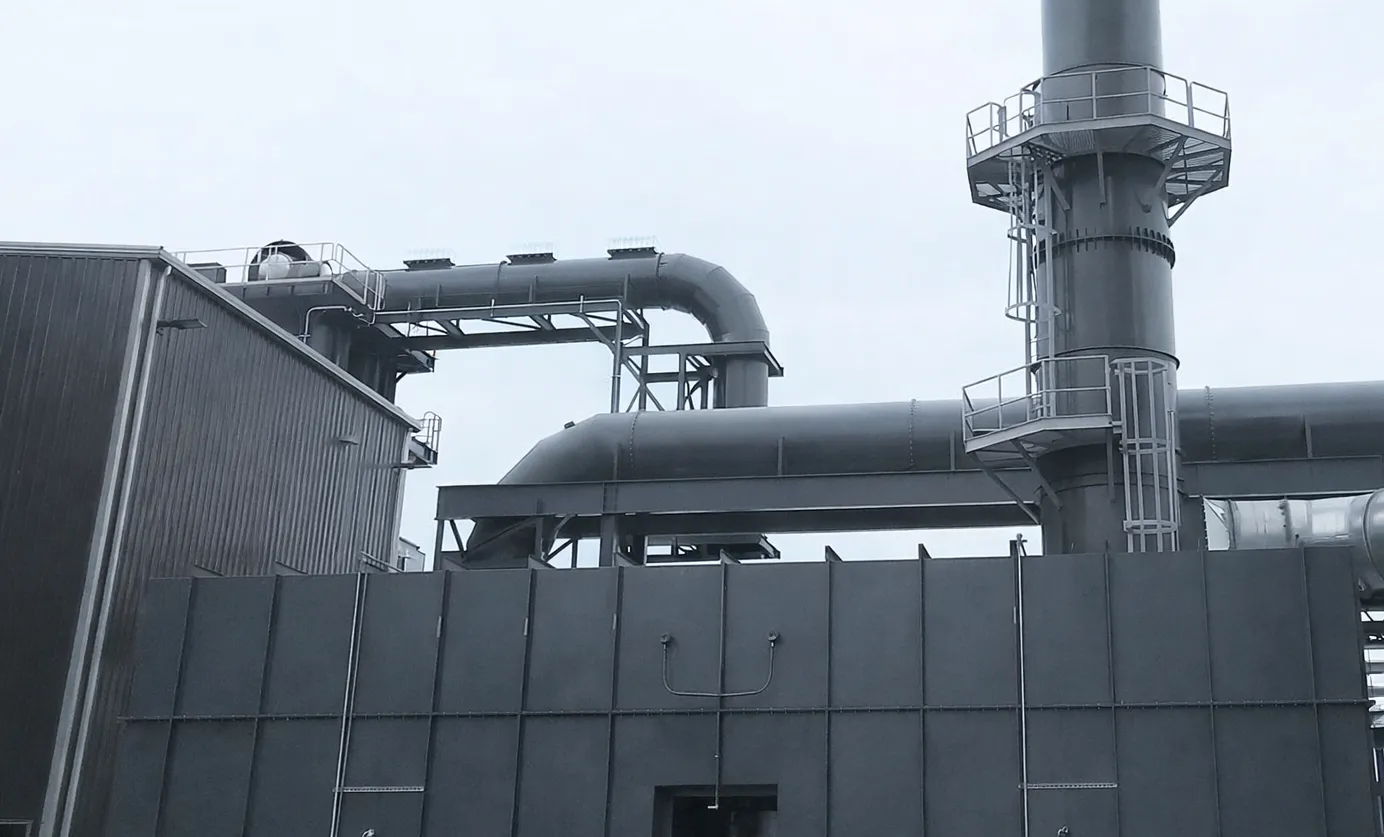
Hazards of Acidic Gases

3. Climate Change:
Certain acidic gases, such as carbon dioxide (CO₂), are also potent greenhouse gases. When released in large quantities, CO₂ contributes to global warming and climate change by trapping heat in the Earth’s atmosphere. The increasing concentration of CO₂ has raised global temperatures, leading to extreme weather events, rising sea levels, and changes in ecosystems.
1. Human Health Risks:
Acidic gases are toxic and can have serious health effects, especially when inhaled in high concentrations. Sulfur dioxide (SO₂) and nitrogen oxides (NOx) are well-known respiratory irritants that can exacerbate asthma, bronchitis, and other lung diseases. Prolonged exposure to these gases can lead to chronic lung conditions and even damage to lung tissue.
Hydrogen sulfide (H₂S), known for its rotten egg smell, is highly toxic and can cause headaches, dizziness, nausea, and even death when inhaled at high concentrations. These gases can irritate the eyes, throat, and skin, leading to long-term health consequences if not addressed properly.
2. Environmental Damage:
Acidic gases are a major contributor to acid rain, which can severely damage ecosystems. Acid rain lowers the pH of soil and water bodies, making them unsuitable for many plants and aquatic life. Forests can be weakened, and agricultural crops can suffer from decreased soil quality and nutrient imbalance.
2.1. Corrosion of Buildings and Infrastructure:
Acidic gases can also cause extensive damage to buildings, bridges, and statues, especially those made from limestone or marble, by dissolving the calcium carbonate present in these materials. This leads to deterioration over time, reducing the lifespan of buildings and historical monuments.
Sources of Acidic Gases
a. Industrial and Combustion Processes:
One of the primary sources of acidic gases is the burning of fossil fuels for energy production and industrial processes. Power plants, refineries, and chemical plants emit sulfur dioxide (SO₂) and nitrogen oxides (NOx) as byproducts of burning coal, oil, and natural gas. These gases are then released into the atmosphere, where they contribute to the formation of acid rain.
Automobile exhaust emissions are also a significant source of nitrogen oxides (NOx), which contribute to air pollution and the formation of acid rain.
b. Agriculture:
Certain agricultural practices, such as the use of fertilizers and manure, can release ammonia (NH₃) into the atmosphere, which reacts with sulfuric and nitric acids to form ammonium-based acid gases. Livestock farming, especially from cattle, can also release methane (CH₄), a potent greenhouse gas, and hydrogen sulfide (H₂S), which is responsible for the rotten egg smell.
c. Natural Sources:
Acidic gases can also be emitted by natural sources. Volcanic eruptions release sulfur dioxide (SO₂) and hydrogen sulfide (H₂S) into the atmosphere. Wildfires also contribute to the release of nitrogen oxides (NOx) and particulate matter, which can combine with water vapor to form acid rain.
Additionally, swamps and wetlands are natural sources of methane (CH₄) and hydrogen sulfide (H₂S), which can contribute to the acidification of nearby water bodies.
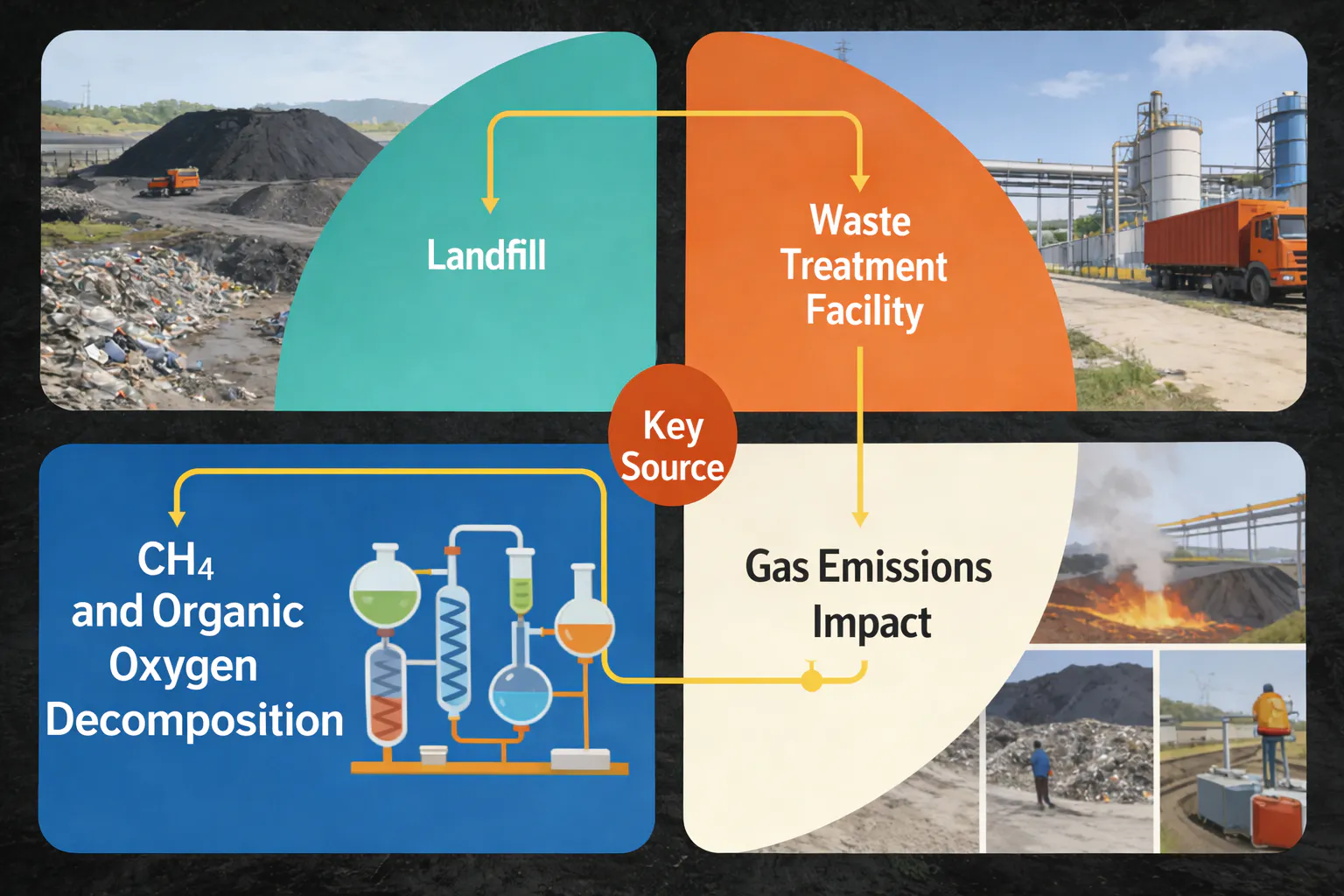
d. Waste Treatment and Landfills:
Municipal waste and landfill sites are sources of methane and volatile organic acids, including acetic and formic acid. These gases are released as organic waste decomposes in the absence of oxygen (anaerobic conditions), contributing to the formation of acidic compounds in the atmosphere.
RTO Product Specifications
| Performance | 2-bed RTO | 3-bed RTO | Rotary Valve RTO | Notes |
|---|---|---|---|---|
| Technicality | First generation | Second generation | Third generation | |
| Number of chambers | 2 | 3 | 12 | Rotary valve operates continuously |
| Number of valves | 4 | 9 | / | |
| Reliability | Valve switching times per year: 350,000 | Valve switching times per year: 520,000 | / | |
| Piping pressure fluctuation | ±500pa | ±250pa | ±25pa | |
| Discharge compliance | Total purification efficiency: 95% | Total purification efficiency: 99% | Total purification efficiency: 99.5% | 99.5% |
| Maximum treating range | < 1g | < 5g | < 10g | 50mg/m³ discharge standard |
| Heat dissipation surface area | 100m² | 145m² | 95m² | |
| Energy saving | Thermal efficiency: 90% | Thermal efficiency: 95% | Thermal efficiency: 96% | 96% |
| Start-up heating time | 2.5h | 2.5h | 2h | Cold furnace start-up (Ethyl acetate) |
| Self-operation concentration | 2.5g/m³ | 2.2g/m³ | 1.8g/m³ | |
| Economy | Regenerative ceramic filling volume: 18m³ | Regenerative ceramic filling volume: 26m³ | Regenerative ceramic filling volume: 17m³ | 17m³ |
| Practicality | Occupation of land: L12×W7 | Occupation of land: L16×W7 | Occupation of land: L12×W7 | L12×W7 |
How Does RTO Work?
-
Air Flow and Heat Recovery:
The contaminated air is drawn into the RTO system and passes through ceramic heat exchangers. The ceramic material absorbs heat from the exhaust gases, ensuring that the system is energy-efficient. The clean, hot air is then redirected into the combustion chamber. -
High-Temperature Combustion:
Inside the combustion chamber, the contaminated air is exposed to temperatures of up to 1,400°F (760°C) or higher. This high temperature ensures that pollutants are oxidized or burned, converting harmful compounds into harmless byproducts like carbon dioxide and water vapor. -
Heat Recovery and Reuse:
After the combustion process, the heat from the exhaust gases is stored in the ceramic material. This recovered heat is then used to pre-heat incoming air, significantly reducing the energy needed for the combustion process. This makes RTOs highly energy-efficient.
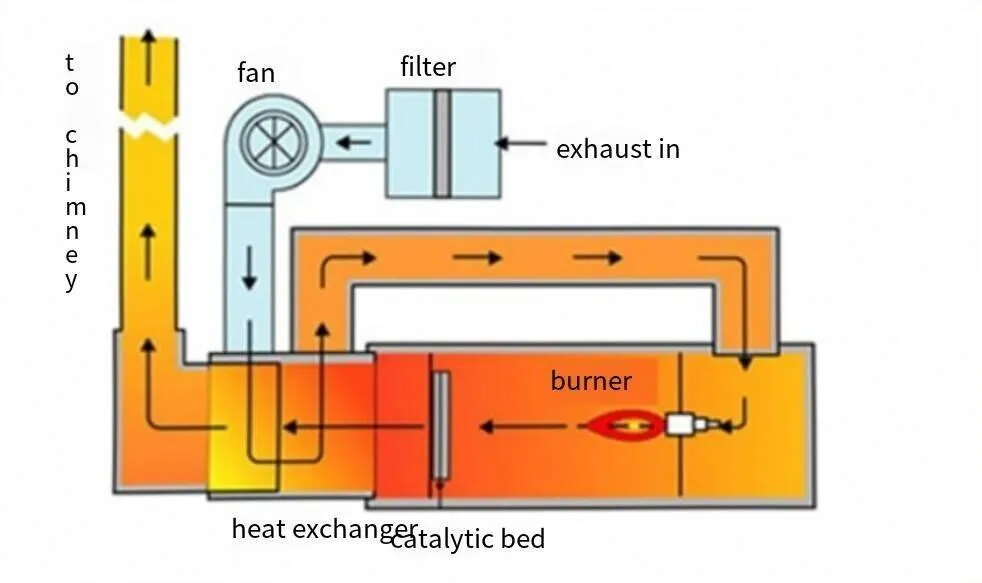
- Clean Air Emission:
The treated exhaust gases, now free of harmful pollutants, are then released into the atmosphere. The heat recovery process ensures minimal energy consumption, making RTO a cost-effective solution for air pollution control.
Applications of RTO Technology
-
Chemical Manufacturing:
To treat emissions from processes like solvent extraction, polymerization, and resin production. -
Pharmaceutical Industry:
To remove organic solvents and other volatile compounds used in drug manufacturing. -
Printing and Coating:
To control emissions from paint booths, screen printing, and other coating processes. -
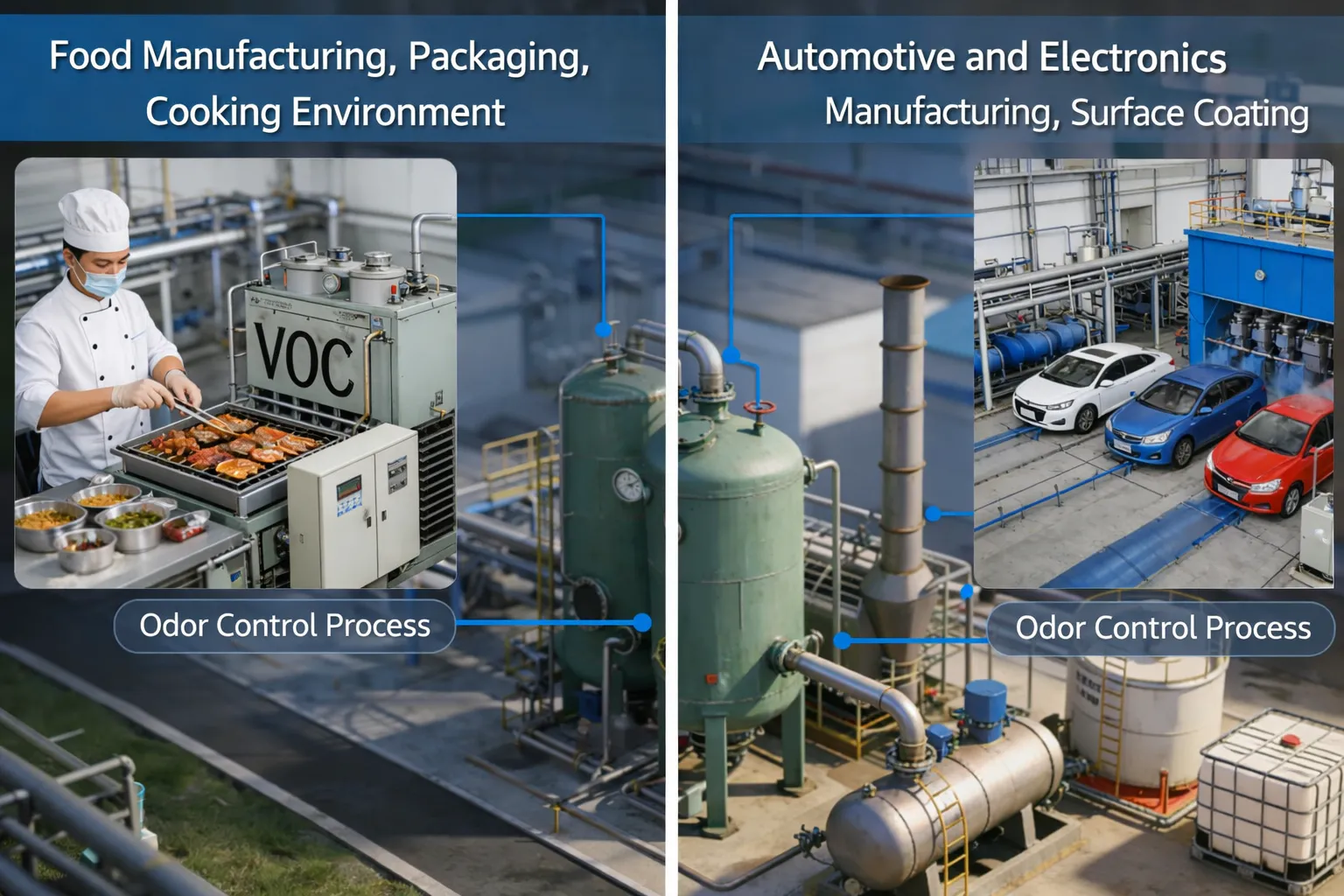
Food Processing:
To eliminate odors and VOCs released during food manufacturing, packaging, and cooking. -
Automotive and Electronics Manufacturing:
To control emissions from surface coating and painting operations.
Mastering the Challenge of Acidic Waste Gas Treatment with Precision Engineering
Handling industrial exhaust streams containing halogenated organic compounds (such as chlorinated or fluorinated solvents) or sulfur-bearing VOCs presents a unique engineering challenge that standard thermal oxidizers cannot meet. When these compounds are oxidized, they do not merely produce carbon dioxide and water; they generate highly corrosive acid gases like Hydrochloric Acid (HCl), Hydrofluoric Acid (HF), and Sulfur Dioxide (SO2).
Our systems are engineered to maintain a thermal destruction efficiency (DRE) of over 99% for VOCs, followed by a 99% removal efficiency for the resulting acid gases in our custom-designed quench and packed-bed scrubbers.
%
The thermal decomposition efficiency (DRE) of the gas is approximately 99%.
For Australian heavy industries—ranging from the mineral processing plants in Western Australia utilizing leaching agents, to pharmaceutical manufacturers in Victoria and chemical processing facilities in Queensland—reliability is paramount. An RTO failure due to corrosion leads not only to expensive equipment replacement but also to critical environmental non-compliance events. We provide a holistic solution that treats the entire lifecycle of the pollutant: from the volatile organic solvent to the neutralized salt precipitate in the scrubber sump.
Market Trend Analysis
The landscape of acid gas treatment in Australia is evolving rapidly, driven by water scarcity and digitization. A key trend is the integration of Zero-Liquid Discharge (ZLD) technologies with RTO scrubbers. Traditionally, scrubbers generate a saline wastewater stream that requires disposal. However, modern facilities in arid regions (like inland mining sites) are increasingly demanding systems that concentrate and crystallize these salts, recycling the water back into the process. EVER-POWER is at the forefront of this shift, offering RTO-Scrubber pairings that minimize blowdown rates and integrate with evaporator systems.
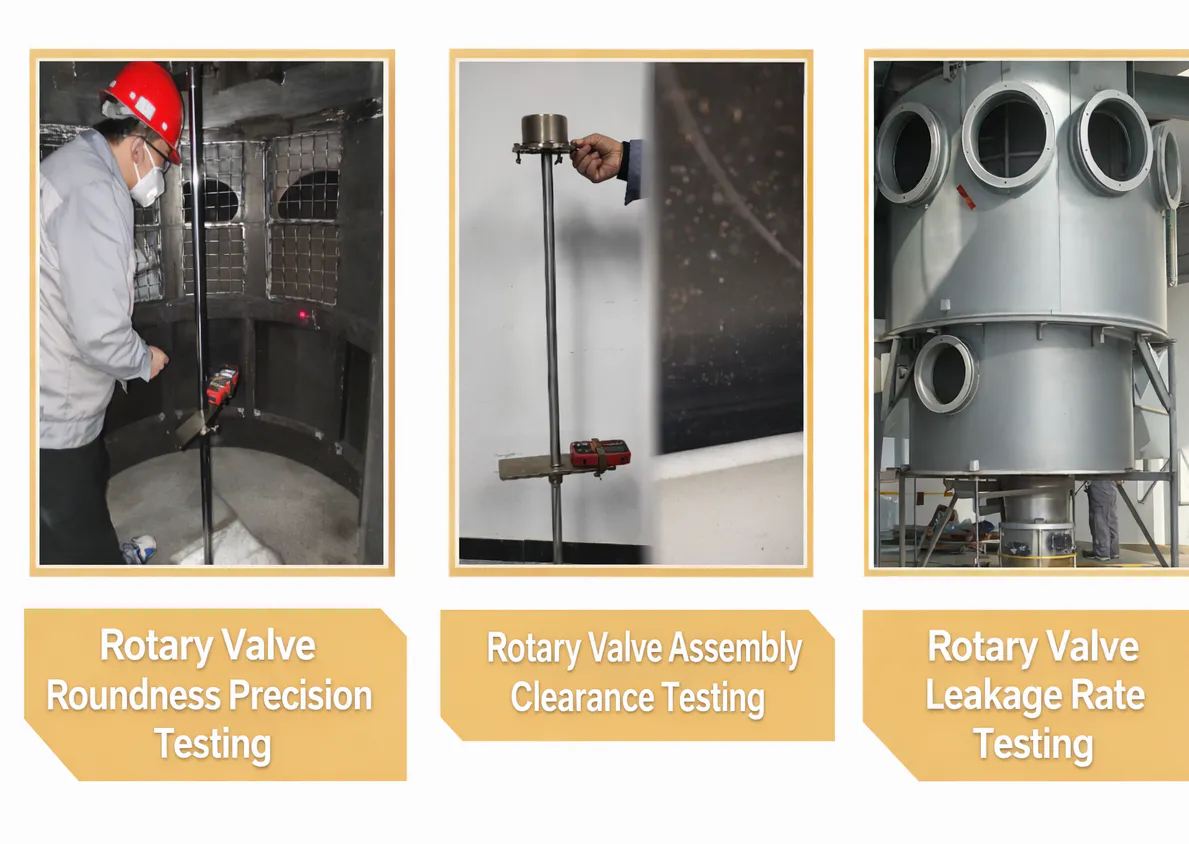
Performance testing and inspection of key components
1. Performance testing of ceramic heat storage bricks
2. Performance testing of thermal insulation materials
3. Material aging and reliability testing
4. Performance testing of key components and parts
FAQ:
Q1. Can your RTO handle exhaust streams containing both Chlorinated solvents and Siloxanes?
A1. Yes, this is a complex application. The Siloxanes form silica dust, while Chlorides form acid. We design the RTO with a special “easy-clean” bed design for the silica and use acid-resistant materials for the shell. A particulate removal system might also be recommended upstream.
Q2. What maintenance is required for the pH probes and dosing pumps in the scrubber?
A2. pH probes are critical and should be cleaned and calibrated monthly. The dosing pumps are robust but diaphragm checks are recommended quarterly. Our smart control panel will alert you if pH readings drift or if chemical usage is abnormal.
Q3. How do you prevent corrosion in the RTO during standby or weekend shutdowns?
A3. Corrosion often happens when the unit cools down and acid gas condenses (dew point corrosion). Our systems feature an automated “Fresh Air Purge” cycle that flushes all acid gases from the chamber before the unit is allowed to cool, protecting the steel shell.
Q4. What is the difference between a Caustic Scrubber and a Water Scrubber for RTO exhaust?
A4. A water scrubber is only effective for highly soluble acids if the concentration is very low. For industrial RTOs, we almost always use a Caustic Scrubber (using NaOH) because it chemically neutralizes the acid (HCl + NaOH -> NaCl + H2O), preventing it from off-gassing back into the air.
Q5. Does this system comply with the strict Fluoride emission limits in New South Wales?
A5. Absolutely. HF (Hydrogen Fluoride) is very reactive. Our scrubbers are designed with specific packing depths and liquid-to-gas ratios to ensure HF levels drop well below the NSW EPA limits, often achieving < 1 mg/m³ at the stack.
Q6. How long does the acid-resistant ceramic media last compared to standard media?
A6. Standard cordierite media can degrade quickly in high-acid environments (especially HF). We use high-purity Alumina or Mullite media which offers superior chemical resistance. With proper maintenance, it can last 5-10 years, similar to standard applications.
Q7. Can you retrofit a scrubber to my existing RTO if my process changes to include chlorinated solvents?
A7. Yes, we can install a “Quench + Scrubber” module downstream of your existing RTO. However, we must also inspect your existing RTO materials. If the RTO shell is carbon steel, we may need to upgrade the internal lining or operating procedures to prevent upstream corrosion.