

Application of RTO in the painting industry
The main waste gases generated in the spray booth and drying oven are aromatics (e.g., xylene, toluene), esters (e.g., butyl acetate, ethyl acetate), and ketones (e.g., methyl ethyl ketone, MEK). In addition, they are accompanied by isocyanates from curing agents and heavy metal precursors volatilized from pigments.

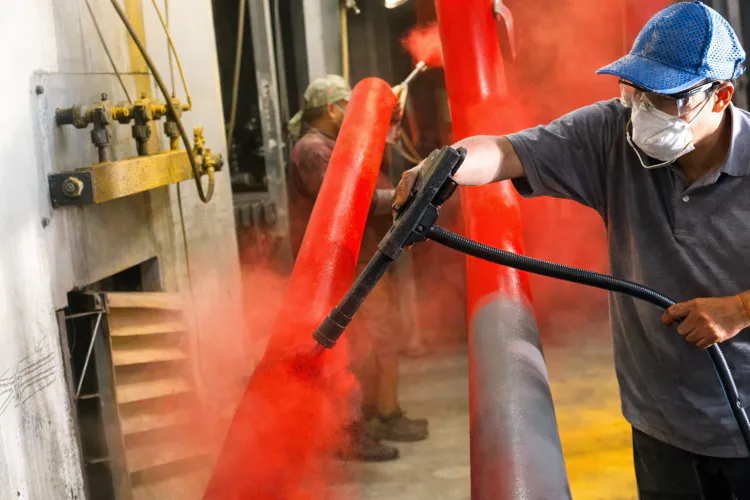
Sources of VOC gases
| Process Stage | VOC Emission Source |
|---|---|
| Paint/Coating Manufacturing | Use of organic solvents (e.g., toluene, xylene, acetone, ethyl acetate, alcohols) as thinners, dispersants, or reaction media; VOCs released during mixing, grinding, and batching. |
| Coating Application (e.g., spraying, dipping, rolling) |
Solvents evaporate during film formation—this is the largest emission source, often accounting for over 70% of total VOC emissions from the product lifecycle. |
| Drying/Curing | Heating accelerates solvent evaporation and resin cross-linking, releasing high-concentration VOCs. |
| Equipment Cleaning | Use of solvent-based cleaners (e.g., mineral spirits, lacquer thinners) to clean spray guns, tanks, and production lines, leading to fugitive emissions. |
| Surface Pre-treatment (e.g., degreasing, oil removal) |
Some processes employ VOC-containing cleaning agents (e.g., trichloroethylene, n-hexane) for metal or substrate cleaning. |
Working principle of printing gas processing

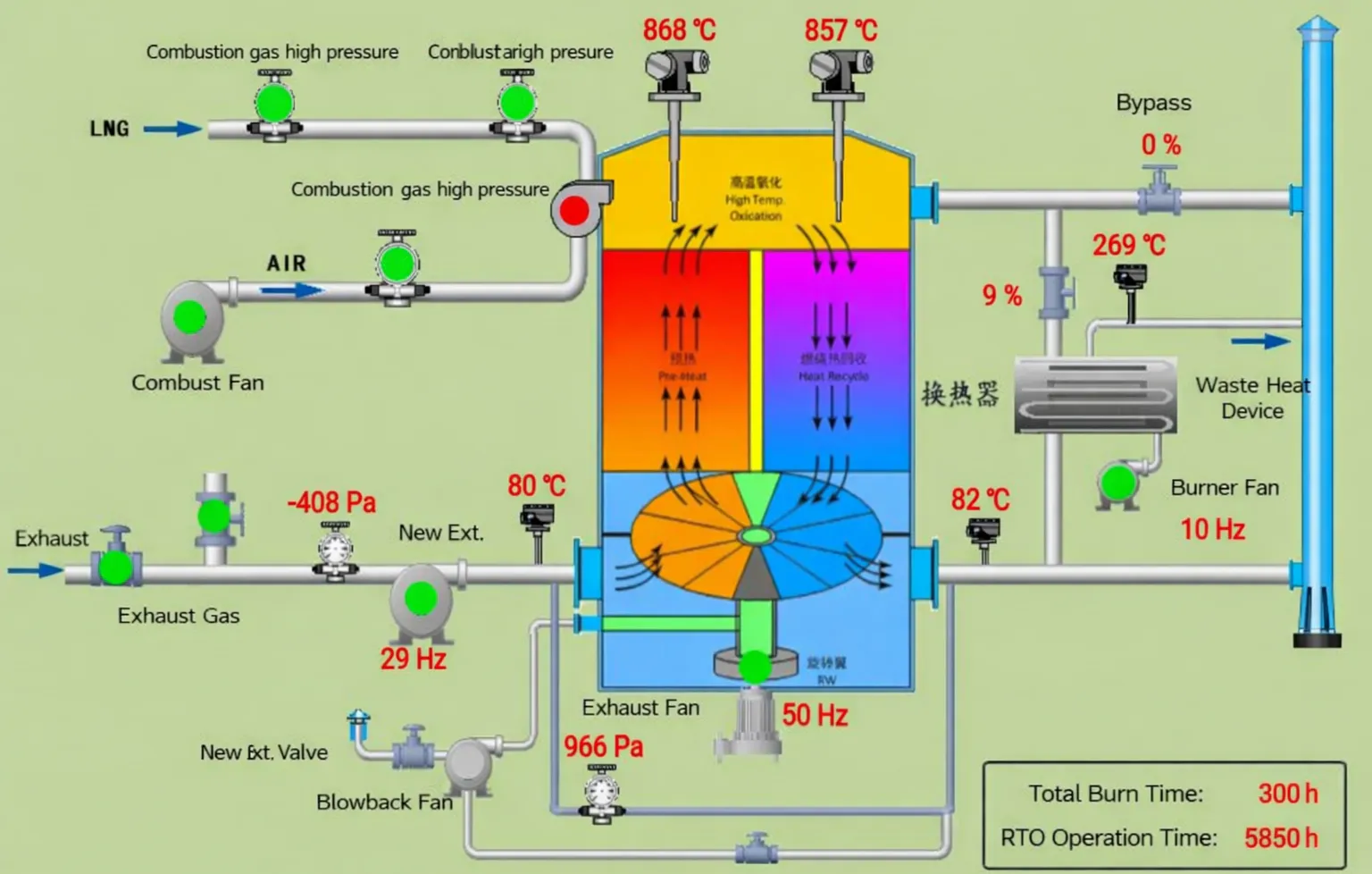
RTO Design and Technical Requirements
1. Three-Chamber or Rotary Valve RTO: Due to the large air volume and significant load fluctuations, a three-chamber or multi-chamber RTO is typically employed to ensure high heat recovery and stable outlet temperature. The switching time is 60–90 seconds, with a heat recovery rate ≥97%.
Rotary valve RTO enables continuous and rapid switching via a rotary mechanism, minimizing valve leakage.
2. Bypass & Waste Heat Utilization: To adapt to air volume fluctuations and avoid overheating of the system, the RTO must be equipped with a bypass that diverts high-temperature flue gas to the regenerator for heat storage. The discharged high-temperature exhaust gas is used to generate steam or hot water through a waste heat boiler, which supplies heat to the spray booth and drying oven.


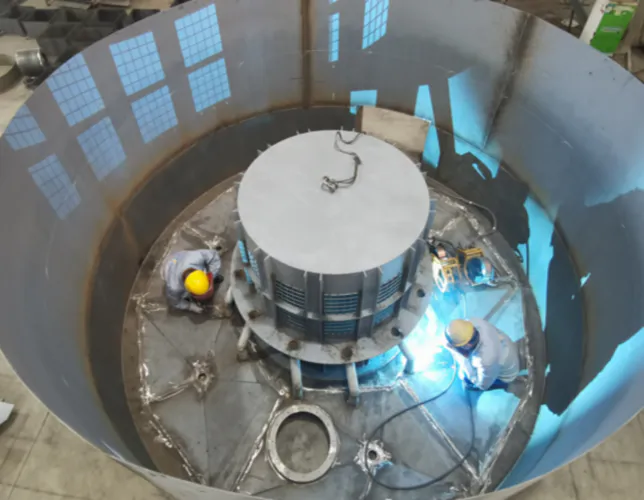
The Core Of A rotary RTO—The Cotary Valve

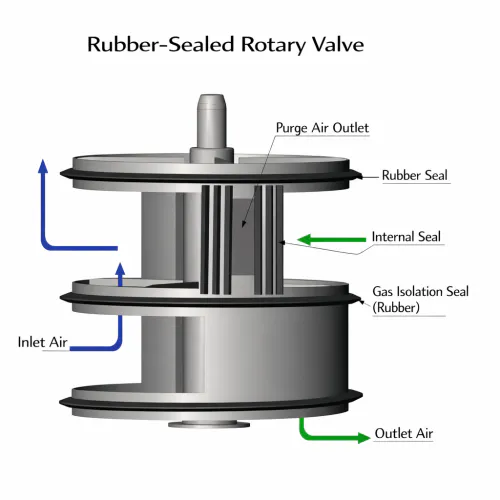
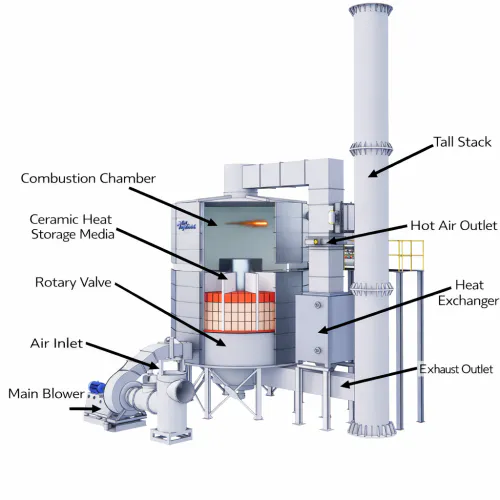
* NOTE: The rotary valve is designed for a 30-year lifespan, and the rubber seals have a lifespan of over 5 years. The rubber gaskets are easy to replace; two people can complete the replacement in 8 hours.
RTO Parameter Performance Table
| Indicator | Type | Remarks | ||
|---|---|---|---|---|
| 2-Chamber RTO | 3-Chamber RTO | Rotary RTO | ||
| Technology Generation | First Generation | Second Generation | Third Generation | |
| Number of Heat Storage Chambers | 2 | 3 | 12 | |
| Purification Efficiency | 95% | 99% | 99.5% | |
| Land Area | 100% | 130% | 65% | Based on two-chamber |
| Weight | 100% | 150% | 80% | Based on two-chamber |
| Cost | 100% | 150% | 130% | Based on two-chamber |
| Number of Valves | 4 | 9 | 1 | Failure Rate |
| Maximum Treatment Concentration | <1g | <5g | <10g | 50mg/m³ Emission Standard |

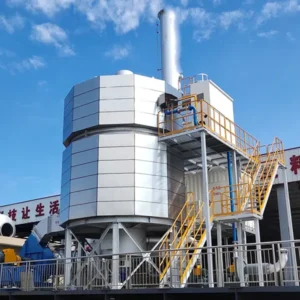
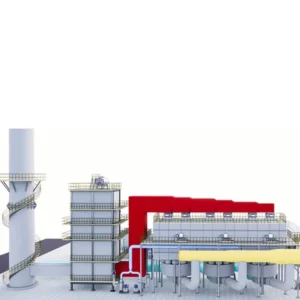
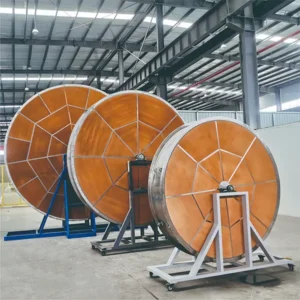
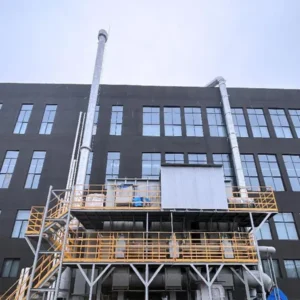
Coating Application Scenarios | Other Industries


| Sub-sector | Main VOC Components in Exhaust Gas | Typical Operating Conditions | Key Technical Configuration |
|---|---|---|---|
| Automotive Parts | Alkyl benzenes, high solid content solvents | Concentration: 1–6 g/Nm³ | Fiber bed filtration to prevent particle blockage; explosion-proof design required for alkyl benzenes. |
| Coil Coating | Aromatic hydrocarbons, esters | Continuous high-speed operation, large air volume | Rotary valve RTO; heat recovery used for preheating coil material, aiming for extremely high thermal efficiency. |
| Shipbuilding / Aerospace | Alkyl benzenes, heavy metals | Intermittent operation, large and complex components | Large airflow three-chamber RTO + pre-treatment wash (to remove paint mist and heavy metals). |
| Building Materials | Fluoropolymer coatings (PVDF) | Contains trace HF, particulates | Dust removal + corrosion-resistant RTO (with internal anti-corrosion lining). |
📊 Globally Regulated Key Industries | Why You Need Us
Due to their high emission characteristics, this industry is listed as a key VOC control industry in almost all countries and regions worldwide, for example:\
China: “Emission Standards for Air Pollutants from the Coatings, Inks and Adhesives Industry” (GB 37824-2019)
European Union: “Industrial Emissions Directive” (IED, 2010/75/EU) + “Solvent Emissions Directive” (1999/13/EC)
United States: The EPA has dozens of NESHAP standards for the “Surface Coating” industry.
Australia: State EPAs list surface coating as a Schedule 1 high-risk emission activity, requiring permits and the installation of end-of-pipe treatment equipment (such as RTO).
📊Key points of VOC control in Australia
| Industry | Australian VOC Control Requirements |
|---|---|
| Paints & Coatings |
• States are promoting low-VOC paint standards (referencing AS/NZS 4304) • Industrial coating operations must install RTO or activated carbon systems with ≥90% removal efficiency |
| Printing |
• NSW and VIC require end-of-pipe control for flexographic and gravure printing • Promotion of water-based and UV-curable inks |
| Chemical & Pharma |
• Mandatory LDAR (Leak Detection and Repair) programs in NSW and VIC • High-toxicity VOCs (e.g., benzene) require separate monitoring |
| Food Processing (Coffee & Cocoa Roasting) |
• NMHC limit: ≤ 10 mg/Nm³ (per NSW EPA guidelines) • RTO destruction efficiency ≥ 95% |
Ever-Power Advantages
Customized Design
Multi-chamber or rotary valve RTO systems are customized according to the coating line scale and process characteristics, providing complete solutions for solvent dilution, bypass, and waste heat recovery.
Cost Efficiency
Compared with international brands, the investment cost is reduced by 20–30%. The use of domestically produced ceramic packing and independently developed control systems also lowers long-term maintenance costs.
Efficiency & Safety
The system is equipped with real-time LEL monitoring, flame detection, and a redundant dual-burner design to ensure operational safety. It achieves high thermal efficiency and integrates waste heat recovery with steam/hot water generation.

FAQ:
Q1: Why choose RTO over RCO for large-scale coating lines?
A1: RCO is sensitive to catalyst poisoning by silicone compounds and particulate matter in exhaust gas, and is only suitable for low-temperature, low-concentration waste gas. In contrast, RTO is resistant to changes in exhaust gas composition, boasts high thermal efficiency, and is therefore better suited for the large air volume and highly fluctuating exhaust gas from automotive coating lines.
Q2: How to handle paint mist and silicone deposits during RTO operation?
A2: Install dry filter cartridges or water scrubbers in the exhaust ducts of spray booths and drying ovens to capture paint mist and reduce particulate matter entering the RTO. Regular online backwashing and offline cleaning of the regenerator beds, combined with silicone-resistant packing, can extend service life.