1. Challenges and Solutions in Australian Can & Drum Coating
2. Compliance with Australian & International Standards
Navigating the complex environmental framework in Australia is non-negotiable for the metal packaging sector. EVER-POWER RTO systems are engineered to exceed local state-based regulations and align with global best practices.
- National Pollutant Inventory (NPI): Australian facilities using more than 10 tonnes of reportable substances (like Xylenes and Toluene found in coatings) must report emissions. Our RTOs reduce VOC emissions by >99%, drastically lowering your NPI footprint and public liability.
- EPA Victoria (Publication 1961): Under the “General Environmental Duty,” businesses must minimize risks to human health. Phenolic odours are a major trigger for community complaints. Our 3-Bed RTO design eliminates the “puff” of untreated air common in 2-Bed systems, ensuring zero-odour discharge.
- NSW EPA (POEO Act): For “Scheduled Activities” like large-scale metal coating, strict Group 6 concentration limits apply. We guarantee exhaust concentrations < 20 mg/m³, safeguarding your Environment Protection Licence (EPL).
- Global Standards (EU IED & US EPA): We adhere to the European Industrial Emissions Directive (IED 2010/75/EU) and US EPA MACT Subpart XXXX for Metal Can Surface Coating. This ensures your Australian facility meets the same rigorous standards as global peers in Europe and North America.
3. The Science of Abatement: 3-Bed RTO & Heat Recovery
The core of our solution for metal packaging is the 3-Bed Regenerative Thermal Oxidizer (RTO). The process begins by collecting solvent-laden air from the coating heads, flash-off zones, and curing ovens. This air is pushed into the RTO via a system of poppet or rotary valves. It passes through a hot ceramic heat exchange bed, which preheats the gas to near-oxidation temperature (>750°C). The gas then enters the combustion chamber, operating at ~850°C, where VOCs are oxidized into CO₂ and H₂O. The purified, hot gas then passes down through a second ceramic bed, transferring its heat to the media for the next cycle, before exiting the stack.
Why a 3-Bed design? In 2-Bed RTOs, when the flow direction reverses, a small volume of untreated dirty gas trapped in the inlet plenum is flushed out the stack, causing a momentary spike in emissions and potential odour puffs. The 3-Bed design introduces a dedicated “Purge Cycle.” The third bed is flushed with clean air to clear any residual solvents back into the combustion chamber before it switches to exhaust mode. This guarantees continuous >99% destruction efficiency, which is critical for handling pungent phenolic resins.
Crucially for can lines, which require immense amounts of steam for washers and pasteurizers, our system integrates a Waste Heat Boiler. The RTO releases exhaust at ~100-150°C higher than the inlet temperature. By installing a bypass hot gas duct from the combustion chamber to a waste heat boiler, we can generate high-pressure steam directly from the solvent energy. This “Thermal Battery” concept allows the RTO to subsidize the factory’s boiler fuel usage, often reducing the site’s total natural gas bill by 30-50%.
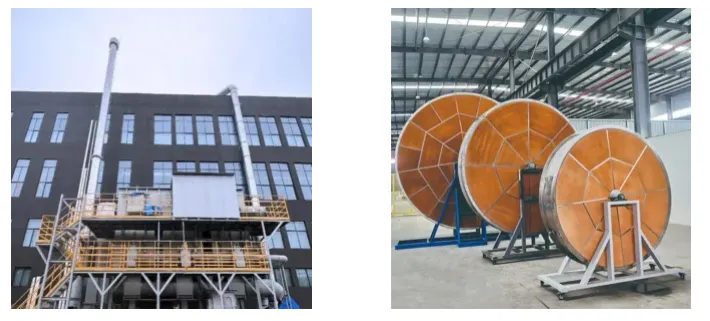
4. Technical Specifications: “Can-Guard” Series RTO
| Performance | 2-bed RTO | 3-bed RTO | Rotary Valve RTO | Notes |
|---|---|---|---|---|
| Technicality | First generation | Second generation | Third generation | |
| Number of chambers | 2 | 3 | 12 | Rotary valve operates continuously |
| Number of valves | 4 | 9 | / | |
| Reliability | Valve switching times per year: 350,000 | Valve switching times per year: 520,000 | / | |
| Piping pressure fluctuation | ±500pa | ±250pa | ±25pa | |
| Discharge compliance | Total purification efficiency: 95% | Total purification efficiency: 99% | Total purification efficiency: 99.5% | 99.5% |
| Maximum treating range | < 1g | < 5g | < 10g | 50mg/m³ discharge standard |
| Heat dissipation surface area | 100m² | 145m² | 95m² | |
| Energy saving | Thermal efficiency: 90% | Thermal efficiency: 95% | Thermal efficiency: 96% | 96% |
| Start-up heating time | 2.5h | 2.5h | 2h | Cold furnace start-up (Ethyl acetate) |
| Self-operation concentration | 2.5g/m³ | 2.2g/m³ | 1.8g/m³ | |
| Economy | Regenerative ceramic filling volume: 18m³ | Regenerative ceramic filling volume: 26m³ | Regenerative ceramic filling volume: 17m³ | 17m³ |
| Practicality | Occupation of land: L12×W7 | Occupation of land: L16×W7 | Occupation of land: L12×W7 | L12×W7 |
5. Compatibility & Replacement Matrix
Australian plants often utilize a mix of legacy equipment. EVER-POWER systems are designed to be plug-and-play replacements for older afterburners or competitors’ units, offering superior materials and local support.
| Global Brand / System | Industry Application | EVER-POWER Advantage | Replacement Status |
|---|---|---|---|
| Dürr (Oxi.X RE) | Ball Corp / Canpack Lines | Cost-Effective + Custom Steam Integration | Direct functional replacement with lower CapEx. |
| Tecam Group | Crown Embalagens Projects | Enhanced Anti-Phenolic Metallurgy | Compatible upgrade for corrosive environments. |
| Anguil Environmental | General Drum Coating | Local AU Support & Spare Parts | Seamless retrofit for existing ductwork. |
| Legacy Direct Fired Thermal Oxidizers (DFTO) | Older Can Lines | 95% Fuel Savings | Replaces gas-guzzling units with regenerative tech. |
*Disclaimer: The other brand names mentioned above are provided solely for illustrative purposes. We do not offer original products or equipment bearing these brand names.
6. Industry Trends: Decarbonization in Metal Packaging
The Australian packaging industry is undergoing a significant shift driven by the 2025 National Packaging Targets. While metal is infinitely recyclable, the energy intensity of the coating and curing process is a major target for Scope 1 emission reductions. Manufacturers are moving away from viewing emissions control as a “sunk cost” and towards “Energy Circularity.”
The prevailing trend is the integration of RTOs with Organic Rankine Cycle (ORC) or steam generation systems. Instead of venting the clean, hot air from the RTO stack, it is directed to heat recovery units. For a typical beverage can line producing 2000 cans per minute, the solvent energy captured by an RTO can generate enough steam to power the entire washer/dryer section of the line. Furthermore, with the rising cost of natural gas in Eastern Australia, the ROI for replacing older recuperative oxidizers with high-efficiency RTOs has dropped to under 3 years. Sustainability is no longer just about compliance; it’s about competitive operational costs.
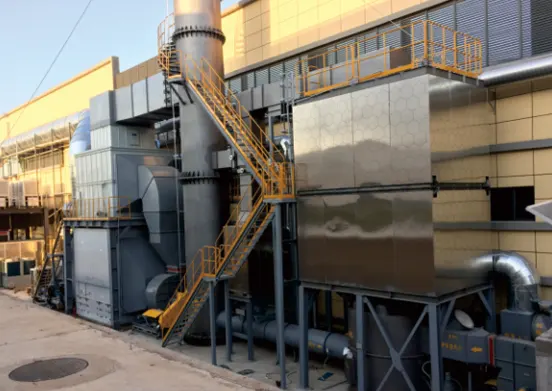
7. Customer Success Story:
“Our previous oxidation equipment was aging and had high maintenance costs. After switching to EVER-POWER’s RTO system, our operating costs decreased significantly. The system’s heat recovery function also helped us reduce natural gas consumption in our steam boilers, with very noticeable results!”
“We have used several environmental protection equipment systems, but it wasn’t until we started using EVER-POWER’s 3-bed RTO system that we truly experienced the efficiency and reliability of the system. The technology is particularly advanced in handling phenolic corrosive gases.”
“Our metal coating line operates 24 hours a day, and EVER-POWER’s RTO system fully meets our needs. It operates stably and efficiently, and its automatic heat recovery function has saved us a lot of energy.”
“Located in an industrial park surrounded by residential areas, we were constantly troubled by odor problems. After installing EVER-POWER’s 3-bed RTO system, not only is the exhaust gas treatment effective with almost no odor leakage, but resident complaints have also decreased significantly.”
“The RTO system provided by EVER-POWER not only meets environmental standards but also helps us improve production efficiency. The system’s automatic control is very precise, completely freeing us from manual maintenance costs.”
8. About us | EVER-POWER Manufacturing: Precision Engineering
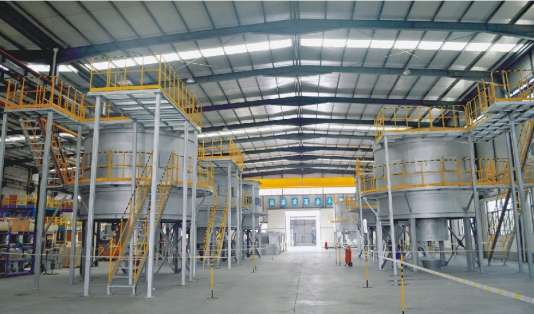
Located in a 30,000+ square meter facility, EVER-POWER doesn’t just assemble; we manufacture. Understanding that Australian metal coaters face high labor costs, we design our RTOs for minimal maintenance.
Our Customization Capabilities Include:
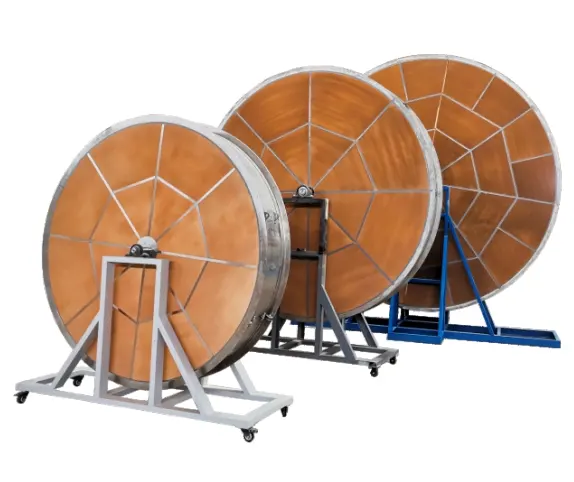
• Metallurgy Selection: We analyze your solvent profile to select the exact grade of stainless steel (304, 316L, 310S) to prevent phenolic corrosion.
• Steam Bypass Logic: Smart controls that automatically modulate the waste heat boiler based on your plant’s real-time steam demand.
• Space Optimization: Vertical or skid-mounted designs to fit into tight factory footprints common in Sydney and Melbourne industrial estates.
9. Related Solutions
Frequently Asked Questions (FAQ) for Australian Metal Coaters
Q1. Why is a 3-Bed RTO better than a 2-Bed RTO for can coating?
A1. Metal coating exhaust often contains pungent phenolic and ester solvents. A 2-Bed RTO releases a small “puff” of untreated air during valve switching. A 3-Bed RTO uses the third bed as a purge chamber to capture this puff and recirculate it, ensuring zero odour escapes—vital for facilities near residential areas in Australian cities.
Q2. Can the RTO handle the corrosive nature of phenolic resin fumes?
A2. Yes. Phenolic monomers can form acidic condensates that eat through standard carbon steel. We utilize 316L or 310S stainless steel in critical condensation zones and use acid-resistant ceramic media to ensure the equipment withstands this aggressive environment.
Q3. How much natural gas can we save?
A3. If your solvent concentration is above 1.5 – 2 g/Nm³, our RTO can run in “auto-thermal” mode, using zero gas for the burner. Additionally, by recovering waste heat for your can washers or ovens, you can reduce your facility’s total gas bill by 40-60% compared to using a traditional oxidizer without heat recovery.
Q4. Do you provide installation and service in Australia?
A4. Yes, we work with local Australian engineering partners for installation, commissioning, and ongoing maintenance. We understand the high cost of downtime in can lines and ensure rapid response for spare parts and support.
Q5. Is the system compliant with Australian Standard AS 1375?
A5. Absolutely. Our burner trains and gas safety systems are engineered to meet the requirements of AS 1375 (Industrial Fuel Fired Appliances) and AS 3814. We assist with the Type B Gas Compliance process required in all Australian states.
Q6. What is the typical lead time for a custom project?
A6. Typically, manufacturing takes 3-4 months from design approval. Shipping to major Australian ports (Melbourne, Sydney, Brisbane, Fremantle) takes approximately 3-4 weeks. We work closely with your shutdown schedule to minimize production interruption.
Q7. Can the RTO handle the sticky condensables from internal lacquers?
A7. Yes, we design the inlet plenum and cold face of the ceramic bed to minimize condensation risk. We also include a “bake-out” mode in the control logic, which periodically raises the temperature of the inlet bed to burn off any organic buildup, keeping the system clean.
Q8. How does the system handle production line speed changes?
A8. Can lines often vary in speed. Our RTO uses a Variable Frequency Drive (VFD) on the main fan and a pressure control loop to automatically adjust airflow, maintaining constant pressure in your drying ovens regardless of line speed.
Q9. Do you offer remote monitoring?
A9. Yes, our systems come with a remote access module. This allows our engineers to monitor performance, troubleshoot alerts, and optimize efficiency remotely, which is particularly valuable for facilities in regional Australia.
Q10. Can you help with NPI reporting calculations?
A10. Certainly. Our control system logs temperature and flow data. We can provide the theoretical destruction efficiency calculations and assist in coordinating emission testing to give you accurate data for your annual National Pollutant Inventory submission.
Editor: PXY