描述
Advanced Pyrolysis Solid Waste Incinerator: The Pinnacle of Emission Control
In the highly regulated landscape of Australian industrial waste management, facilities face strict mandates to safely dispose of complex, hazardous materials without releasing harmful particulate matter or toxic gases into the environment. Traditional direct-fire incinerators often struggle with emission compliance when processing highly volatile or calorific solids. The solution lies in thermal decomposition. The Ever-power solid waste incinerator based on advanced pyrolysis technology offers an unmatched, environmentally responsible approach to hazardous waste neutralisation.
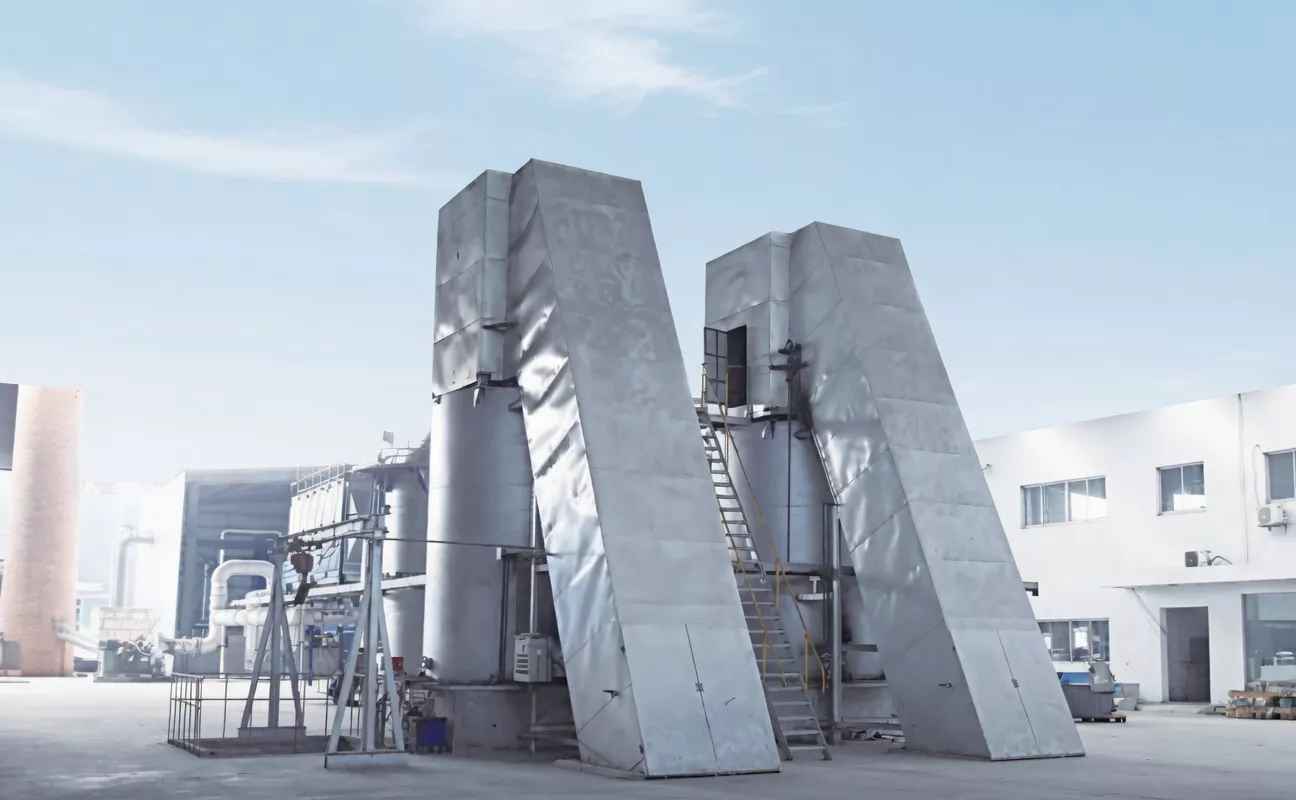
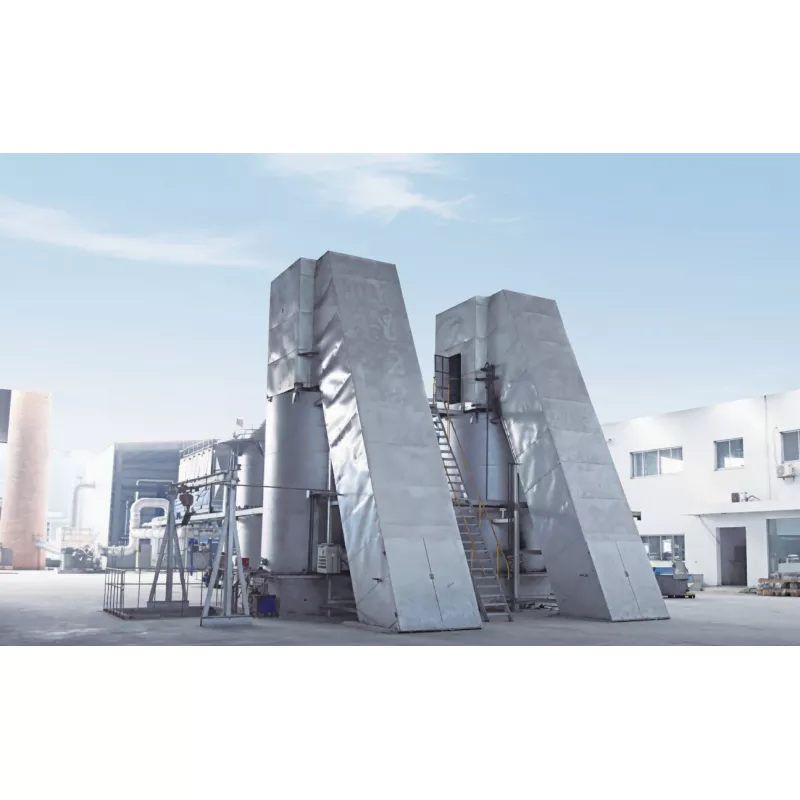
The Ever-power pyrolysis solid waste incinerator, engineered for staged combustion and ultra-low emissions.
This flagship pyrolysis incinerator is distinctly engineered from conventional systems. This product utilises staged combustion within the furnace to pyrolyze waste in an oxygen-deficient atmosphere. By controlling the oxygen levels, the solid waste is gasified rather than burned violently, creating a combustible synthetic gas. These combustible products then undergo complete combustion in the highly turbulent, oxygen-rich secondary combustion chamber. This two-step process represents a paradigm shift in industrial disposal, offering a highly stable, low-emission alternative or a superior replacement of [Global Brand] traditional grate systems.
The Science of Staged Combustion
Understanding how our solid waste incinerator operates is key to appreciating its environmental superiority. The Ever-power system isolates the gasification phase from the final oxidation phase, ensuring maximum thermal destruction with minimal physical turbulence.
Unparalleled Benefits
Ultra-Low Particulate Emissions
Because the primary chamber operates in an oxygen-deficient state with low air velocity, there is minimal mechanical turbulence. This ensures that up to 90% of ash remains as sterile bottom ash, drastically reducing the load on downstream filtration systems and ensuring visual transparency at the stack.
Dioxin Prevention at the Source
The two-stage design is recognised globally as the premier method for preventing dioxin formation. By achieving complete combustion of syngas in the SCC at 1100 °C, the precursors to toxic dioxins are entirely mineralised before reaching the quench tower.
Versatility Across Waste Profiles
Whether your facility generates medical bio-hazards, chemical filter cakes, plastics, or mixed pharmaceutical waste, the Ever-power pyrolysis incinerator auto-adjusts its air-to-fuel ratio, providing a stable, forgiving process even when waste calorific values fluctuate wildly.
Technical Specifications & Operating Parameters
To ensure precise alignment with your facility’s daily throughput and regulatory obligations, our engineering team tailors every solid waste incinerator. Below are the standard operational parameters for our industrial pyrolysis series.
| Parameter | Standard Specification Range | Engineering Notes |
|---|---|---|
| Solid Processing Capacity | 500 kg/day to 50 Tons/day | Custom designed and scaled based on the bulk density and calorific value of the waste. |
| Primary Pyrolysis Temperature | 500 °C – 850 °C | Maintained in an oxygen-starved state to promote gasification. |
| Secondary Chamber Temperature | 1000 °C – 1200 °C | Excess air injected for complete, violent oxidation of syngas. |
| Gas Residence Time (SCC) | > 2.0 Seconds | A critical compliance metric to prevent dioxin/furan survival. |
| Destruction Efficiency (DRE) | ≥ 99.99% | Ensures absolute mineralisation of hazardous organic compounds. |
| Volume Reduction Rate | 90% to 97% | Leaves only a fraction of sterile, inert bottom ash. |
Why Choose Ever-power?
For over two decades, Ever-power has been a globally recognised leader in thermal oxidation technologies. To discover our corporate history and manufacturing pedigree, visit our Company Page, or explore our full suite of solutions on our Home Page.
- ✓
Engineering Authority: Our bespoke pyrolysis incinerator designs are backed by rigorous CFD (Computational Fluid Dynamics) modelling to guarantee optimal airflow and complete combustion. - ✓
Australian Market Alignment: We design our flue gas treatment systems to strictly comply with, and often exceed, the stringent emission frameworks of the NSW EPA, Victoria EPA, and WA DWER. - ✓
Comprehensive Integration: Beyond incineration, we offer full-system integration, including automated feeding rams, rapid quench towers, wet scrubbers, and baghouse filtration for a turnkey solution. - ✓
Loss Aversion: Avoid catastrophic non-compliance fines and forced plant shutdowns. Our automated PLC and SCADA systems provide continuous, fail-safe monitoring of all combustion parameters.
Australian Case Studies: Real-World Optimisation
Project: Clinical & Medical Waste Hub (New South Wales)
The Challenge: A major medical waste processor in Sydney required a highly secure method to dispose of red-bag clinical waste, sharps, and expired pharmaceuticals. Their existing direct-fire incinerator was failing opacity (smoke) tests and struggling with the high plastic content of the waste.
The Solution: Ever-power engineered a 10 Ton/Day pyrolysis incinerator. By utilising an oxygen-deficient primary atmosphere, the massive surge of volatile gases from melting plastics was controlled. The combustible products were then subjected to complete combustion in the massive secondary chamber.
The Outcome: The system operated as a flawless replacement of [US Brand] legacy equipment. Particulate emissions dropped by 85%, opacity fell to virtually zero, and the facility secured long-term operational licencing from the NSW EPA.
Project: Specialty Chemical Solid Waste Treatment (Victoria)
The Challenge: A specialty chemical manufacturer was spending exorbitantly on third-party disposal of hazardous solid filter cakes and packaging materials contaminated with toxic reagents.
The Solution: Installation of an Ever-power staged combustion solid waste incinerator, equipped with a specialised dry-sorbent injection system and baghouse filter to neutralise the specific acidic gases generated during pyrolysis.
The Outcome: Achieved a 95% volume reduction, turning hazardous bulk solids into safe, manageable sterile ash. The plant realised a return on investment (ROI) in just 22 months due to eliminated third-party disposal fees.
Frequently Asked Questions (FAQ)
1. What is the main difference between a pyrolysis incinerator and a standard direct-fire incinerator?
2. Can this system be used as a waste liquid incinerator as well?
3. How does the system handle highly calorific waste like plastics and tyres?
4. Are the emissions compliant with Australian EPA standards?
5. What happens to the residue after pyrolysis?
6. Does Ever-power provide local support in Australia?
Ready to Upgrade Your Solid Waste Management Strategy?
Do not compromise your facility’s operational licence with outdated disposal methods. Implement the pinnacle of emission control with the Ever-power staged combustion solid waste incinerator. Protect the environment, protect your profitability, and ensure total compliance.
Our environmental engineers will review your specific solid waste categorisation and provide a custom pyrolysis workflow design.