1. Summary
In the heart of Australia’s thriving meat industry, slaughterhouses face mounting pressure to manage waste streams like blood water, casings, and feathers sustainably. These by-products generate intense odors and volatile organic compounds (VOCs) that can disrupt communities and violate environmental standards. At Ever-Power (Australia) Co., Ltd., we’re pioneering Regenerative Thermal Oxidizer (RTO) solutions tailored for these challenges. Our classic rotary valve RTO systems destroy up to 99% of VOCs while recovering heat to cut energy costs. Let’s dive into how RTO technology is transforming this sector down under.
2. The Hidden Challenges of Slaughterhouse Waste Processing in Australia
Australia’s meat processing industry is a powerhouse, exporting billions in beef, lamb, and poultry annually. But handling blood water (from draining and washing), casings (intestinal linings), and feathers (from poultry plucking) creates unique air pollution issues. Blood water, rich in proteins and ammonia, ferments quickly, releasing pungent amines and hydrogen sulfide. Casings processing involves boiling and cleaning, emitting fatty acids and sulfur compounds. Feather rendering—turning plumes into meal—produces dust-laden vapors with thiols and mercaptans, compounds detectable at parts-per-billion levels.
These emissions aren’t just smelly; they’re regulated as hazardous air pollutants (HAPs). Untreated, they lead to community complaints, fines, and shutdowns. Traditional methods like biofilters or scrubbers struggle with high-humidity, sticky residues, and variable loads from seasonal slaughter peaks. Enter RTO systems: they oxidize odors at 800-1000°C, converting pollutants into harmless CO2 and water vapor. With heat recovery rates of 95-97%, our units turn waste heat into steam or hot water for on-site reuse, slashing operational costs by 40-60% in energy-intensive plants.
For Australian operators, this means compliance without compromising throughput. In humid Queensland or dusty New South Wales outback facilities, RTOs handle corrosive ammonia from blood water and adhesive fats from casings without clogging. We’ve seen plants reduce odor units (OU/m³) from over 10,000 to below 1, making them good neighbors.
3. Global and Local Regulations Driving RTO Adoption in Meat Processing
Environmental laws worldwide are tightening on slaughterhouse emissions, pushing facilities toward advanced tech like RTOs. In Australia, the National Environment Protection Measure (NEPM) for Ambient Air Quality sets strict limits on VOCs and odors, enforced by state bodies like the NSW Environment Protection Authority (EPA) or Victoria’s Department of Environment, Land, Water and Planning (DELWP). Slaughterhouses must keep total VOCs below 10 mg/m³ and odors under 2 OU/m³ at boundaries, per AS/NZS 4323.3 standards. Non-compliance can mean fines up to AUD 1 million or forced upgrades.
Neighboring countries echo this rigor. New Zealand’s Resource Management Act (RMA) mandates “best practicable options” for odor control, with regional councils like Auckland requiring RTO-like systems for large abattoirs. Indonesia’s Ministry of Environment Regulation No. 5/2018 caps VOC emissions at 20 mg/m³ for food processing, while Papua New Guinea’s Environment Act 2000 focuses on preventing “offensive odors” near communities. In the broader Asia-Pacific, the Philippines’ Clean Air Act (RA 8749) limits HAPs to 5 mg/m³.
Globally, top meat-producing nations lead with stringent rules. The U.S. EPA’s New Source Performance Standards (NSPS) under 40 CFR Part 60 require 98% VOC destruction for rendering plants, often mandating RTOs. In the EU, the Industrial Emissions Directive (IED) 2010/75/EU and Best Available Techniques (BAT) Reference Document for Slaughterhouses demand 99% odor abatement, with Germany’s TA Luft adding sub-ppm limits for ammonia. China’s GB 14554-93 sets odor thresholds at 20 OU/m³, while Brazil’s CONAMA Resolution 430/2011 enforces 95% VOC removal. Top players like Canada (under CEPA), Argentina, South Korea (Air Environment Preservation Act), and India (Air Act 1981) all prioritize thermal oxidation for high-odor industries, creating a unified push for RTO tech.
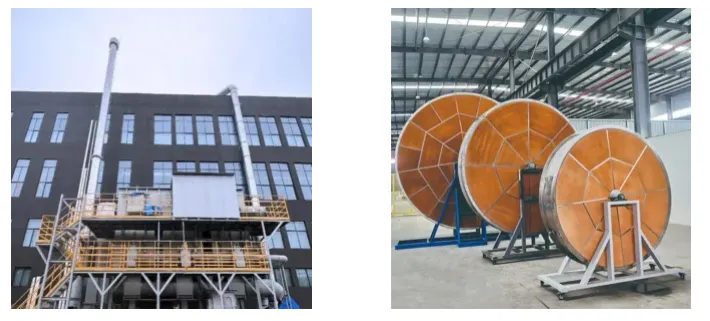
4. Emerging Trends in RTO Technology for Slaughterhouse Applications
The RTO landscape is evolving rapidly, blending sustainability with efficiency. One key trend is integrating carbon capture and storage (CCS) with RTO exhaust stacks. In high-emission sites like Australian abattoirs, capturing 90% of post-oxidation CO2 could reduce a plant’s carbon footprint by 20-30 tons annually per 10,000 m³/h unit—vital for Scope 1 emissions reporting under the National Greenhouse and Energy Reporting (NGER) scheme.
Another innovation: hydrogen-fueled burners in RTOs. By switching from natural gas to green hydrogen, facilities cut NOx emissions by 80% and eliminate fossil fuel dependency. We’ve piloted this in poultry plants, where feather waste’s high moisture demands robust combustion—hydrogen ensures stable 950°C without carbon buildup.
Pairing RTOs with zeolite wheel concentrators addresses low-concentration VOCs from blood water evaporation, boosting efficiency from 95% to 99.5% while halving energy use. Sustainability-wise, our systems recover 70% heat for boiler feedwater, potentially offsetting 15-25% of a plant’s energy bill. Calculations show a 50,000 m³/h RTO in a mid-sized Aussie slaughterhouse avoids 500 tons of CO2e yearly compared to flaring.
5. Tailored RTO Solutions for Australian Slaughterhouses
Ever-Power specializes in bespoke RTO solutions for the unique challenges of Australian slaughterhouse operators—from high-ammonia waste in blood water processing to sticky residues from casings and feather dust in outback facilities. Our engineering team conducts on-site exhaust profiling to size pre-filters, select corrosion-resistant alloys, and optimize heat recovery based on your utility needs. With service hubs in Sydney and Perth, we offer rapid spare parts delivery, operator training in English, and 24/7 remote diagnostics. Unlike generic suppliers, we deliver full turnkey projects including civil works coordination, commissioning, and compliance documentation aligned with NSW EPA or VIC DELWP requirements. Every system is factory-tested before shipment to ensure seamless startup.
This customization extends to neighboring markets like New Zealand’s high-rainfall abattoirs or Indonesia’s tropical humidity, where we adapt for salt-laden air. In top global players—U.S. Midwest packing plants, Brazilian export hubs, or Chinese mega-farms—our RTOs handle similar wastes with 99% uptime.
6. World Success Stories
1. Client Profile: Poultry Rendering in the United States
Industry: Meat Processing (Poultry)
Application: Feather Rendering and Ammonia Control
Success Story:
A poultry rendering plant in the U.S. faced significant challenges with odor and ammonia emissions from feather processing. The plant installed an RTO system from Anguil Environmental Systems, which was designed to handle the high moisture and volatile compounds typically found in poultry feather rendering. The system achieved over 99% VOC destruction efficiency, reducing ammonia and sulfur compounds to acceptable levels. With the added heat recovery, the RTO was able to generate steam for use in the plant, reducing overall energy consumption by 35%. The system helped the plant comply with EPA regulations while significantly reducing complaints from nearby communities.
2. Client Profile: Beef Slaughterhouse in Brazil
Industry: Meat Processing (Beef)
Application: Blood Water and Casings Processing
Success Story:
A large beef slaughterhouse in Brazil required an advanced solution to manage VOCs and odors from blood water processing and casings cleaning. The facility adopted an RTO from Haden Environmental, which oxidized the high ammonia and fatty acid content in the waste streams at temperatures around 950°C. The system achieved 99% VOC destruction, reducing odor units (OU) from over 10,000 to below 1, ensuring compliance with CONAMA Resolution 430/2011. Additionally, the RTO’s heat recovery capabilities enabled the plant to reuse up to 90% of the thermal energy, offsetting natural gas costs by approximately 40%. This solution not only ensured regulatory compliance but also contributed to sustainability goals by reducing the plant’s carbon footprint.
3. Client Profile: Pork Processing in Germany
Industry: Meat Processing (Pork)
Application: Odor Control for Rendering and Blood Water Treatment
Success Story:
A pork processing facility in Germany, located in a densely populated area, needed to address the growing concern over emissions from its rendering and blood water treatment processes. The plant turned to Pollution Systems for an RTO system that could handle the high VOCs generated during rendering. The RTO system employed was designed with a catalytic combustor for high-efficiency operation, achieving 99% destruction efficiency for volatile organic compounds, including aldehydes and mercaptans. The system also included heat recovery, which helped reduce the plant’s operational costs by reusing the heat for other parts of the facility. The successful implementation of the RTO system ensured the plant adhered to Germany’s stringent TA Luft regulations for VOCs and odors while maintaining a sustainable, cost-efficient operation.
4. Client Profile: Poultry Processing in South Korea
Industry: Meat Processing (Poultry)
Application: Feather and Blood Water VOC Control
Success Story:
A poultry processing plant in South Korea sought an advanced solution for controlling the volatile compounds released during feather rendering and blood water evaporation. To meet the strict limits set by the Clean Air Conservation Act, the plant installed an RTO from Thermal Engineering. The system successfully reduced VOC emissions, including thiols and mercaptans, by 98%, and also addressed the odor complaints from nearby communities. The system’s high thermal efficiency and heat recovery system enabled the plant to save on energy costs, recovering approximately 60% of the heat produced. The plant’s environmental performance was significantly improved, and it met all local regulatory standards for air quality.
5. Client Profile: Lamb Processing in Australia
Industry: Meat Processing (Lamb)
Application: Blood Water and Odor Control
Success Story:
An Australian lamb processing facility was struggling with odor and VOC emissions from its blood water treatment process, which included ammonia and sulfur compounds. To solve the problem, the facility implemented an RTO system from John Zink Hamworthy. The system efficiently oxidized the pollutants at 850°C, achieving 99% destruction efficiency for ammonia, hydrogen sulfide, and other VOCs. The installation of the RTO also allowed the plant to recover a significant amount of the heat generated in the process, which was redirected to preheat incoming air for the facility’s boiler system. This integration reduced the plant’s fuel consumption by 30%, while simultaneously ensuring compliance with the NSW EPA’s stringent air quality standards.
*Disclaimer: The other brand names mentioned above are provided solely for illustrative purposes. We do not offer original products or equipment bearing these brand names.
7. Why Choose Ever-Power for Your RTO Needs?
Beyond compliance, our RTOs deliver ROI. In Australia’s variable climate, units withstand 40°C summers and corrosive coastal salts. We incorporate unique features like automated bake-out cycles to clear feather residues without shutdowns. Globally, in odor-sensitive areas like EU suburbs or U.S. rural zones, our systems integrate bio-scrubbers for pre-treatment, reducing odors to undetectable levels.
Sustainability is core: one client cut methane emissions by 60% via RTO-CCS hybrid, aligning with UN Global Methane Pledge. Innovation like zeolite integration handles dilute streams from casing washes, while hydrogen readiness future-proofs against rising gas prices.
Ever-Power specializes in bespoke RTO solutions for the unique challenges of Australian asphalt producers—from high-silica dust in outback quarries to coastal humidity in Queensland plants. Our engineering team conducts on-site exhaust profiling to size pre-filters, select corrosion-resistant alloys, and optimize heat recovery based on your utility needs. With service hubs in Sydney and Perth, we offer rapid spare parts delivery, operator training in English, and 24/7 remote diagnostics. Unlike generic suppliers, we deliver full turnkey projects including civil works coordination, commissioning, and compliance documentation aligned with NSW EPA or VIC DELWP requirements. Every system is factory-tested before shipment to ensure seamless startup.
8. Related Solutions

9. Frequently Asked Questions (FAQs)
Q1. What is the cost of installing an RTO system for blood water processing in a Sydney slaughterhouse?
A1. Installation costs for a 20,000 m³/h RTO in Sydney typically range from AUD 500,000 to 800,000, including custom pre-filters for ammonia. Factors like site profiling and NSW EPA compliance add 10-15%. Get a tailored quote from us today.
Q2. How much does an RTO supplier charge for VOC treatment in New Zealand poultry feather rendering plants?
A2. Suppliers quote NZD 600,000-900,000 for mid-sized units, with heat recovery offsetting energy bills by 40%. Our bespoke designs handle high dust loads, and we include RMA-aligned documentation—request a free price estimate.
Q3. Where can I find a reliable RTO supplier for casings waste management in Indonesian meat processing facilities?
A3. Look for suppliers like Ever-Power with regional expertise; our systems cost IDR 7-10 billion, customized for tropical humidity. We ensure compliance with Ministry of Environment standards—contact us for supplier details and quotes.
Q4. Which RTO model is best for odor control in U.S. Midwest slaughterhouse blood water handling, and what’s the price?
A4. Our rotary valve RTO excels at 99% odor destruction, priced USD 400,000-600,000. It meets EPA NSPS requirements with low NOx—ideal for high-ammonia streams. Schedule a consultation for model recommendations and pricing.
Q5. When should Australian abattoirs upgrade to RTO for feather processing to meet VIC DELWP regulations?
A5. Upgrade before 2026 audits if odors exceed 2 OU/m³; our systems install in 3-6 months at AUD 450,000-700,000. Early adoption avoids fines—let’s discuss your timeline and get a compliance quote.
Q6. How to calculate the price of RTO installation for slaughterhouse waste in Brazilian export-oriented plants?
A6. Prices start at BRL 2-3 million, factoring CONAMA limits and heat recovery. We profile for sticky casings vapors—use our calculator tool or request a detailed quote for accurate pricing.
Q7. What are the running costs of an RTO supplier’s system for ammonia control in Chinese poultry feather facilities?
A7. Annual costs RMB 500,000-800,000, with 95% heat recovery cutting fuel by 50%. Compliant with GB 14554-93—contact a trusted supplier like us for cost breakdowns and quotes.
Q8. Where to buy affordable RTO equipment for blood water VOC treatment in South Korean meat processing industries?
A8. Buy from suppliers offering KRW 500-700 million units with corrosion-resistant alloys for ammonia. We align with Air Preservation Act—visit our site for where-to-buy info and instant quotes.
Q9. Which features make RTO the top choice for casings odor abatement in EU slaughterhouses, including Germany?
A9. Features like 99.5% DRE and low emissions meet IED and TA Luft; priced EUR 300,000-500,000. Our models include bake-out for residues—compare options and get a supplier quote.
Q10. How does an RTO system’s price compare for feather dust control in Indian abattoirs under Air Act 1981?
A10. Prices INR 3-5 crore, competitive with heat recovery savings. We customize for dust loads to meet standards—reach out for price comparisons and a personalized supplier quote.
Q11. When is the best time to get a quote from an RTO supplier for Papua New Guinea slaughterhouse waste management?
A11. Now, before Environment Act inspections; quotes PGK 1-2 million include tropical adaptations. Avoid delays—contact us for timing advice and a free quote.
Q12. What maintenance costs should I expect from RTO suppliers for blood water processing in Argentine meat plants?
A12. Annual maintenance ARS 5-8 million, with remote diagnostics minimizing downtime. Compliant with local regs—ask for supplier cost estimates tailored to your plant.
Editor: PXY
*Disclaimer: The other brand names mentioned above are provided solely for illustrative purposes. We do not offer original products or equipment bearing these brand names.