

1. Advanced RTO Systems for Wafer Front-End Lithography and Development in Australia’s Semiconductor Sector
In Australia’s growing semiconductor landscape, where innovation meets environmental stewardship, EVER-POWER delivers specialized Regenerative Thermal Oxidizer (RTO) systems designed specifically for the demands of wafer front-end lithography and development. These processes involve precise patterning and cleaning of silicon wafers, generating volatile organic compounds (VOCs) from photoresists, developers, and solvents. Our RTO technology ensures efficient destruction of these emissions, aligning with Australia’s commitment to sustainable manufacturing and clean air initiatives. From Sydney’s tech hubs to Melbourne’s research centers, our solutions support the industry’s push toward advanced nodes while minimizing ecological impact.
2. Australia’s Semiconductor Industry: Opportunities and Environmental Considerations
Australia’s semiconductor sector, though emerging compared to global leaders like Taiwan and South Korea, plays a vital role in research, design, and specialized manufacturing. With government investments through initiatives like the National Reconstruction Fund (NRF) allocating funds for chip production in 2025, the industry is focusing on areas such as IoT connectivity and quantum computing. Key players in states like New South Wales (home to the Sydney-based Morse Micro) and Victoria emphasize advanced lithography for prototyping. However, VOC emissions from front-end processes pose challenges under Australia’s strict air quality regulations, such as those from the Department of Climate Change, Energy, the Environment and Water (DCCEEW). EVER-POWER’s RTO systems address these by providing robust VOC control, ensuring operations in cities like Brisbane and Perth remain compliant and efficient.
The cultural emphasis on environmental protection in Australia, rooted in traditions of preserving natural landscapes like the Great Barrier Reef, drives industries toward green technologies. In neighboring countries such as New Zealand, Indonesia, and Papua New Guinea, similar sustainability focuses create cross-border opportunities for RTO adoption in semiconductor-related fields. Globally, in top nations like the United States (with Intel’s fabs in Arizona), China (TSMC partnerships), Japan (Canon lithography tools), Germany (Infineon), and South Korea (Samsung), RTOs are integral for handling lithography emissions, often achieving 99% VOC destruction rates under regulations like the U.S. EPA’s NESHAP or EU’s IED. In Australia, integrating RTOs supports local industries in Queensland’s data centers and Western Australia’s aerospace applications, fostering a resilient supply chain.
3. Key Features of RTO in Wafer Front-End Lithography and Development
The front-end lithography and development stages in semiconductor fabrication involve applying photoresist, exposing patterns with UV or EUV light, and developing the image through chemical baths. These steps release VOCs like propylene glycol monomethyl ether acetate (PGMEA) and ethyl lactate, often in high-humidity, low-concentration streams. EVER-POWER’s RTO systems excel here by using ceramic media to recover up to 97% of thermal energy, reducing fuel needs in Australia’s energy-conscious market. Features include corrosion-resistant materials for handling acidic vapors, automated controls for fluctuating loads during batch processing, and low-pressure drop designs to maintain cleanroom integrity in facilities across Sydney and Melbourne.
In this scenario, RTOs prevent cross-contamination risks essential for wafer yields, while features like quick valve switching (under 2 seconds) ensure stable operation during high-precision lithography in Brisbane’s emerging fabs. Compared to traditional incinerators, our systems offer superior adaptability to Australia’s variable climate, from humid Queensland coasts to dry Western Australia interiors.


5. Ever Power RTO Technical Specifications
| Performance | 2-bed RTO | 3-bed RTO | Rotary Valve RTO | Notes |
|---|---|---|---|---|
| Technicality | First generation | Second generation | Third generation | |
| Number of chambers | 2 | 3 | 12 | Rotary valve operates continuously |
| Number of valves | 4 | 9 | / | |
| Reliability | Valve switching times per year: 350,000 | Valve switching times per year: 520,000 | / | |
| Piping pressure fluctuation | ±500pa | ±250pa | ±25pa | |
| Discharge compliance | Total purification efficiency: 95% | Total purification efficiency: 99% | Total purification efficiency: 99.5% | 99.5% |
| Maximum treating range | < 1g | < 5g | < 10g | 50mg/m³ discharge standard |
| Heat dissipation surface area | 100m² | 145m² | 95m² | |
| Energy saving | Thermal efficiency: 90% | Thermal efficiency: 95% | Thermal efficiency: 96% | 96% |
| Start-up heating time | 2.5h | 2.5h | 2h | Cold furnace start-up (Ethyl acetate) |
| Self-operation concentration | 2.5g/m³ | 2.2g/m³ | 1.8g/m³ | |
| Economy | Regenerative ceramic filling volume: 18m³ | Regenerative ceramic filling volume: 26m³ | Regenerative ceramic filling volume: 17m³ | 17m³ |
| Practicality | Occupation of land: L12×W7 | Occupation of land: L16×W7 | Occupation of land: L12×W7 | L12×W7 |
*Disclaimer: The other brand names mentioned above are provided solely for illustrative purposes. We do not offer original products or equipment bearing these brand names.
6. Environmental Regulations and Compliance in Australia and Beyond
Australia’s semiconductor industry operates under rigorous environmental frameworks, including the Product Emissions Standards Act 2017 and state-specific EPA guidelines in New South Wales and Victoria, limiting VOC emissions to 0.10 ppm hourly averages. In cities like Sydney and Melbourne, RTOs help meet these by achieving low NOx and CO outputs. Neighboring Indonesia and New Zealand follow similar paths with PERPRES No. 98/2021 and Resource Management Act, respectively. Globally, in top semiconductor nations like Taiwan (under Air Pollution Control Act) and the U.S. (Clean Air Act), RTOs are standard for lithography VOCs, with cases in California’s Silicon Valley showing 99.5% efficiency. EVER-POWER ensures compliance across Queensland, Western Australia, and international borders, integrating with local industries like Morse Micro’s IoT chips in Sydney.
Recent integrations in Brisbane’s data centers demonstrate how RTOs reduce emissions below 50 mg/Nm³, supporting Australia’s net-zero goals by 2050.
7. Brand Comparison: EVER-POWER vs. Industry Leaders
When evaluating RTO options for lithography and development, EVER-POWER stands out for its cost-effective, high-performance designs. Compared to Dürr™ systems, which offer robust heat recovery but at higher upfront costs, our units provide similar 97% TER with faster installation times suited for Australia’s market. Anguil™ excels in custom integrations, yet EVER-POWER’s modular approach reduces maintenance in humid Queensland environments. (Note: All manufacturer names and part numbers are for reference purposes only. EVER-POWER is an independent manufacturer, providing compatible solutions without affiliation.) In global contexts like Japan’s fabs, our RTOs match efficiency while being 20-30% more affordable.
8. Customer Success Case Study
“The VOC concentrations emitted from our front-end lithography and development processes are not high, but the composition is very complex. Ever-Power’s RTO performs very stably under these conditions, effectively treating PGMEA and developer fumes with minimal fluctuations and little impact on the production line.”
“Semiconductor factories are most concerned about environmental protection equipment affecting cleanroom airflow. This RTO has excellent pressure drop control and smooth switching, with no significant pressure fluctuations, completely unaffected the cleanliness level of the lithography area, which is something we highly value.”
“We are not a large-scale mass production factory; much of our work involves R&D and pilot production, resulting in significant variations in exhaust gas load. This RTO adapts well to intermittent operation and load changes, requiring infrequent manual intervention and featuring intelligent operating logic.”
“Semiconductor factories cannot afford frequent shutdowns for maintenance. Ever-Power’s design for wear parts and seals is quite reasonable, with clear maintenance cycles and readily available spare parts, minimizing impact on factory operations.”
“We compared several RTO solutions from Europe and the United States. While their performance was good, the cost and delivery time pressures were significant. Ever-Power’s solution shows no significant difference in efficiency and stability, but the overall investment is more manageable, making it very suitable for the current scale of the Australian industry.”
9. Essential Components, Spare Parts, and Maintenance for RTO Systems
EVER-POWER RTOs feature key components like high-temperature ceramic media for heat storage, pneumatic valves for gas flow control, and combustion chambers lined with refractory materials. Important parts include transmission gears for valve actuation, easy-wear items like seals (replaced every 6 months), and consumables such as filters for pre-treatment of lithography exhaust. In Australian installations, such as those in Melbourne, spare parts availability ensures minimal downtime, with local suppliers in Victoria stocking items like blower motors and sensors. For development processes, corrosion-resistant ducts handle solvent vapors, extending system life in coastal Sydney areas.
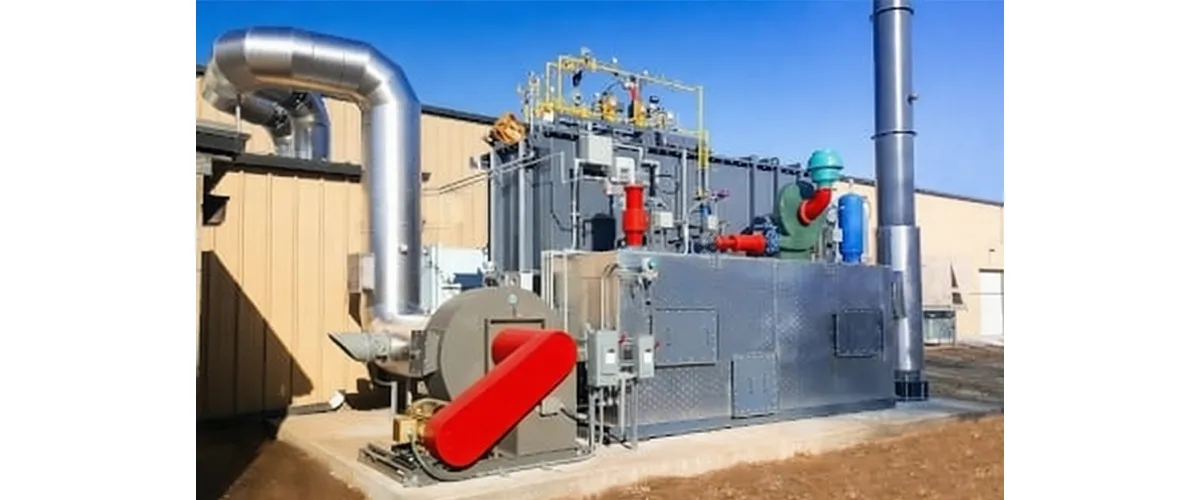
10. Related Solutions


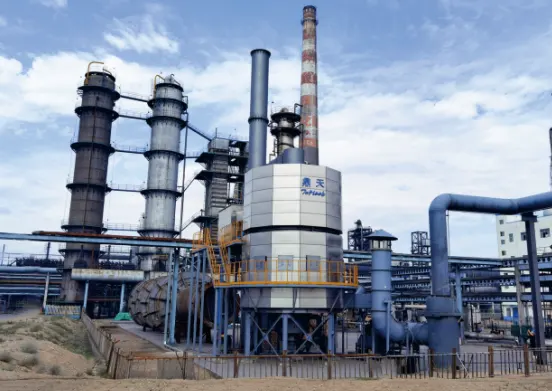

11. FAQ:
Q1. Why is RTO (Regenerative Thermal Oxidizer) necessary for handling VOCs in wafer front-end lithography and development processes?
A1. Lithography and development processes release low-concentration, high-humidity VOCs such as PGMEA and ethyl lactate. These waste gases are difficult to treat effectively with activated carbon or wet scrubbing. RTO achieves complete VOC decomposition of 99%–99.5% through high-temperature thermal oxidation (≥850°C), making it the recognized best available technology (BAT) in the semiconductor industry.
Q2. Is EVER-POWER’s RTO suitable for low-concentration, high-volume lithography exhaust gases?
A2. Yes. EVER-POWER’s rotary valve RTO is highly adaptable to low-concentration (<1 g/Nm³), highly variable lithography exhaust gases. It can achieve self-sustaining operation at 1.8 g/Nm³, balancing stability and energy efficiency.
Q3. Will the RTO affect the cleanroom pressure differential and airflow stability in a wafer fab?
A3. No. EVER-POWER RTO uses a low-pressure drop design, controlling pipeline pressure fluctuations within ±25 Pa. The smooth switching is ideal for pressure-sensitive cleanroom environments and will not affect yield or process stability.
Q4. Can EVER-POWER RTO meet the VOC emission regulations in NSW and VIC?
A4. Yes. The system design meets the NSW EPA and VIC EPA emission requirements for VOCs, NOx, and CO. Typical emissions can be controlled to <50 mg/Nm³, and it supports compliance targets of 0.10 ppm hourly average.
Q5. Is the energy consumption of RTO high when treating lithography exhaust gases?
A5. No. EVER-POWER RTO uses high-efficiency ceramic heat exchangers, achieving a heat recovery rate of up to 97%. Under normal production conditions, gas consumption is significantly lower than direct-fired incinerators, meeting Australian requirements for energy efficiency and carbon reduction.
Q6. Semiconductor R&D lines have large load variations; can the RTO operate stably?
A6. Yes. EVER-POWER RTO is equipped with automatic load adjustment logic and a PLC control system, capable of handling batch and intermittent operation, making it particularly suitable for R&D centers and pilot production lines. Q7. What advantages does EVER-POWER have compared to international brands (such as Dürr or Anguil)?
Q7. What advantages does EVER-POWER have compared to international brands (such as Dürr or Anguil)?
A7. While maintaining equivalent VOC removal efficiency (99%+) and heat recovery rates, EVER-POWER offers shorter lead times, lower initial investment, and a maintenance design better suited to Australian climate conditions, resulting in an overall cost-effectiveness advantage of approximately 20–30%.
Q8. Is maintenance and spare parts for RTO equipment readily available in Australia?
A8. Yes, very convenient. EVER-POWER has established a local spare parts and technical support system in Australia. Commonly used wear parts (seals, sensors, fan components) are readily available, reducing downtime risks.
Q9. Can the RTO equipment handle lithography exhaust gases with high humidity and acidic solvents?
A9. Yes. EVER-POWER RTO uses corrosion-resistant materials and a reasonable temperature management design, allowing for long-term stable treatment of exhaust gases with high humidity and weakly acidic solvents, making it particularly suitable for semiconductor facilities in coastal areas such as Sydney and Brisbane.
Q10. Does the EVER-POWER RTO support future stricter carbon reduction and net-zero targets?
A10. Yes. The system has reserved space for upgrades and can be integrated with energy efficiency optimization, heat recovery, and even future electric heating or carbon capture modules, helping wafer fabs gradually achieve their long-term Net Zero 2050 goals.
Editor: PXY