Descrizione
What is Rotary Valve RTO?
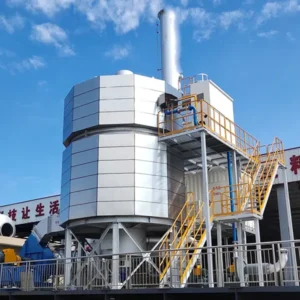
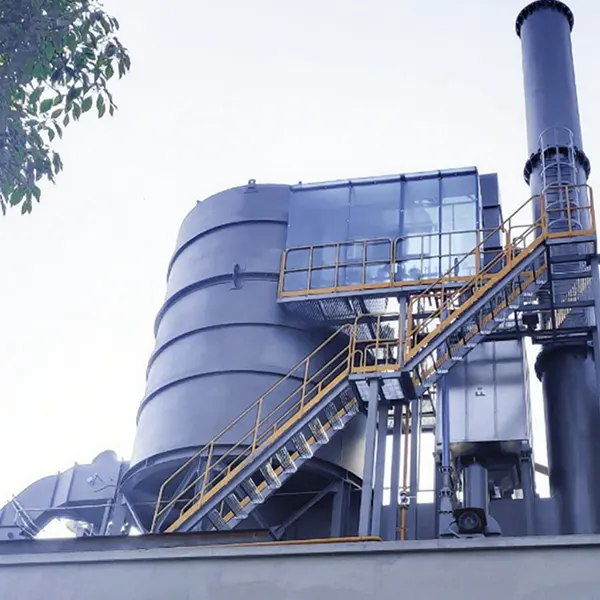
Rotary valve RTO, also known as rotary regenerative thermal oxidizer, is an advanced waste gas treatment equipment designed for industrial waste gas purification. It converts combustible waste gas into harmless oxides and water through a high-temperature oxidation process, while recovering the heat released during the decomposition process. This equipment is known for its efficient heat recovery and purification capabilities, especially for treating volatile organic compounds (VOCs) and hazardous air pollutants (HAPs). As a typical representative of classic rotary valve RTO, it combines rotary valve technology to ensure efficient switching of waste gas in the ceramic thermal storage bed for continuous and stable operation. Compared with traditional systems, rotary valve RTO has more advantages in volume and energy consumption, and has been widely used in many industries around the world. According to industry data, the heat recovery efficiency of rotary valve RTO can reach more than 97%, and the purification efficiency exceeds 99.5%, making it the first choice for efficient and environmentally friendly solutions.

Technical Specifications
The technical specifications of the Rotary valve RTO vary depending on the model. Its standard configuration supports large air volume operation for a single device and offers numerous advantages, such as low pressure loss, reduced power demand, and ensuring low operating costs. The materials include high-temperature resistant ceramics and metal seals, making it suitable for high-temperature environments. The classic rotary valve RTO supports custom sizing, with a square design to fit compact spaces. Additional options include heat exchangers and purge systems to enhance flexibility. The technical data of the high efficiency rotary valve RTO emphasizes durability, long service life, and compliance with international environmental standards.
| Category | Details |
|---|---|
| Processing Capacity | 5000m³/h – 100000m³/h |
| Heat Recovery Efficiency | Over 95% |
| VOCs Destruction Efficiency | 99 – 99.5% |
| Furnace Body Structure | Divided into 5 – 7 or 12 sector chambers; the number of ceramic cells and valves can be adjusted according to air volume |
| Typical Specifications – HC Treatment Efficiency | Over 99% |
| Typical Specifications – Gas Processing Rate | 50 – 1000 Nm³/min |
| Typical Specifications – Rotary Valve Rotation Speed | One revolution every 120 seconds |
| Typical Specifications – Driving Power (for a 30000 Nm³/h unit) | As low as 1.1 kW |
| Materials | High-temperature resistant ceramics and metal seals |
Structure
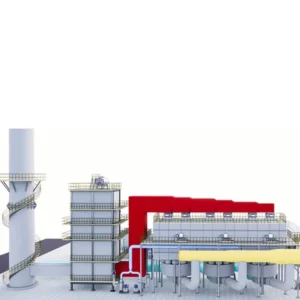
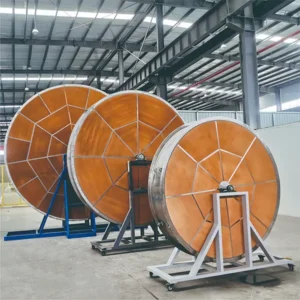
In the design of rotary valve RTO, the core components include combustion chamber, ceramic packing bed and rotary valve. The furnace body is usually divided into 12 independent chambers, including 5 for air intake, 5 for air outlet, 1 cleaning chamber and 1 isolation chamber. This structure ensures that the exhaust gas is evenly distributed and avoids heat loss. Other aliases of rotary valve RTO include rotary RTO or valve rotary type RTO, which are often used to describe its unique valve switching mechanism. For users seeking high efficiency rotary valve RTO, this device can not only handle large air volume exhaust gas, but also adapt to different concentration levels to ensure compliant emissions.
Working Principle of Rotary Valve RTO
The working principle of the rotary valve RTO is based on thermal regenerative oxidation technology. The exhaust gas first enters the preheating chamber through a rotary valve, absorbs the previously stored heat in the ceramic heat storage bed, and the temperature is quickly raised to the level required for oxidation. Subsequently, the exhaust gas enters the combustion chamber, where an oxidation reaction occurs in a high temperature environment (usually above 1500°F), decomposing VOCs and HAPs into CO2 and H2O. The treated clean gas is discharged through the outlet chamber, while transferring heat to the ceramic bed to prepare for the next cycle of exhaust gas preheating. The rotary valve is driven by a motor and rotates continuously and evenly at a speed of 120 seconds per revolution, ensuring that the exhaust gas switches slowly between the 12 chambers to avoid pressure fluctuations.
Unlike other RTOs, the rotary valve RTO uses a single rotary valve system instead of multiple butterfly valves or poppet valves. This innovative design is based on patented technology, and the interface is sealed by fluid sealing materials (such as glass beads), with a leakage rate of less than 0.1%. In high-concentration exhaust gas scenarios, the rotary valve RTO can be equipped with an additional heat exchanger to convert the exhaust gas into fuel, further improving energy utilization. Heat recovery options include hot air, hot water, steam or oil to ensure system flexibility. The principle of the classic rotary valve RTO emphasizes continuous operation, with a heat exchange cycle of about 50 seconds, which is much better than the more than 80 seconds of the traditional three-bed system, thereby reducing energy consumption and improving efficiency.
Key Features
- Compact Structure and Stable Performance
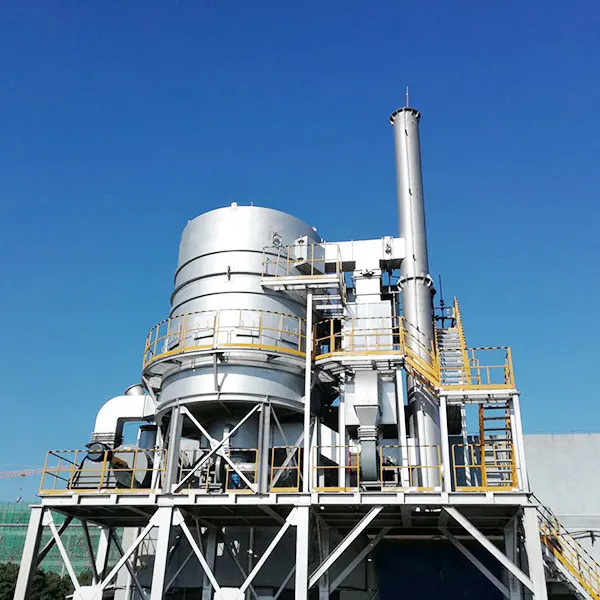
- The Rotary Valve RTO features a compact structural design. With its small size and well-organized layout, it is highly suitable for installation in environments with limited space.
- Taking the square-shaped Rotary Valve RTO as an example, its unique design ensures that there are no dead zones in the ceramic arrangement, providing a more uniform temperature distribution and thus guaranteeing stable equipment operation.
- Easy-to-Maintain Layout Design
- The rotary valve is located on the exterior of the equipment, a design that greatly facilitates maintenance work.
- The 12 regeneration chambers are arranged in a field-type layout. This layout enhances the efficiency of heat storage and release, contributing to the overall improved performance of the equipment.
- Advanced Automated Control
- The High Efficiency Rotary Valve RTO is usually equipped with PLC automated control and a touch screen. Operators can easily control the equipment’s operation through the touch screen, making the operation convenient and efficient.
- The equipment has a high degree of fault tolerance. Even if some valves malfunction, it can continue to operate, ensuring the continuity of the production process.
- Unique Design of High-Cycle Valves
- In the Rotary Valve RTO, the high-cycle valves are directly connected to the heat exchange tanks, guiding the inflow and outflow of airflow and ensuring a smooth transition of the airflow within the equipment.
- The patented sealing mechanism uses metal-to-metal surfaces, achieving a tight seal and effectively preventing gas leakage. At the same time, this sealing mechanism supports electric or hydraulic drive options to meet the needs of different users.
- Compared with pneumatic drive, the electric drive method (such as upgrading from pneumatic to electric) has significant advantages. It reduces equipment wear and extends the service life of the equipment.
- High Efficiency in Ceramic Media Utilization
- The Rotary Valve RTO has extremely high utilization efficiency of ceramic media. It only requires 68% of the media volume of a three-bed system to achieve a heat recovery rate of over 95%, effectively reducing the equipment’s operating costs.
- These features enable the Classic Rotary Valve RTO to perform excellently when treating exhaust gas with air volumes ranging from 5000 m³/h to 100000 m³/h, making it widely applicable in various industrial scenarios.
Advantages of Rotary Valve RTO
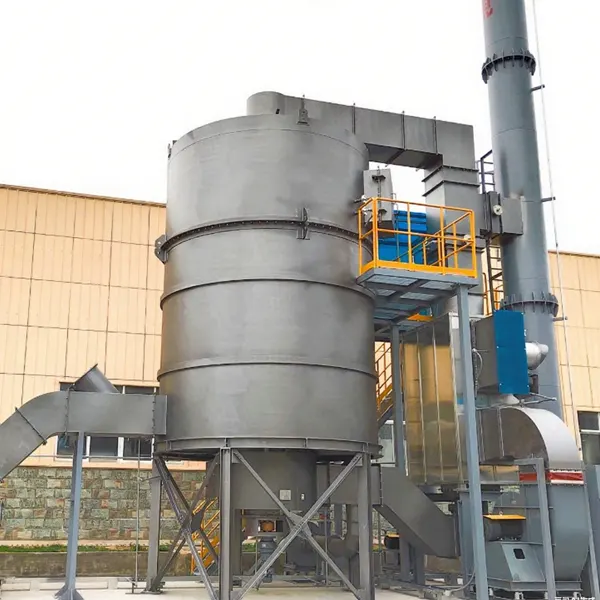
The advantages of rotary valve RTO are reflected in many aspects. First, it is extremely energy efficient. The surface area is only 45% of that of a three-bed system, which reduces surface heat loss and keeps the exhaust temperature below 40°C, far lower than the 80°C of a three-bed system. The heat exchange cycle is short, cold start only takes 1.5 hours, and natural gas consumption is lower. In self-operating mode, the rotary valve RTO can achieve self-sustaining at a concentration of 1.5 g/Nm³, while the three-bed system requires 2.5 g/Nm³, avoiding additional fuel replenishment.
Secondly, the rotary valve RTO has a small footprint, which is only half of the three-bed system of the same capacity, reducing the need for steel and insulation materials and the initial investment. Low operating costs, 60% less purge air, and 20% less power consumption. The classic classic rotary valve RTO also has long-life key components, such as the rotary valve that can withstand high-cycle operation and reduce maintenance requirements. Patented technology ensures minimized leakage, low pressure fluctuations, and improved system reliability. Overall, the high efficiency rotary valve RTO provides more than 99% VOCs removal rate, combined with low power consumption and compact design, making it an ideal choice for sustainable and environmentally friendly equipment.
Application Areas
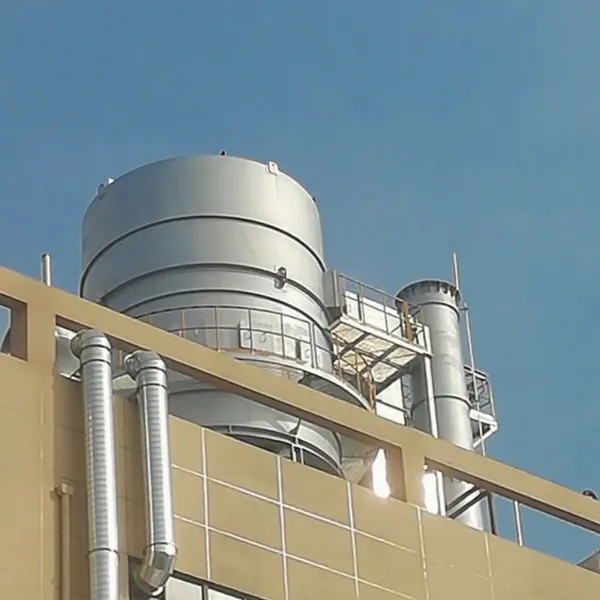
Rotary valve RTO is widely used in industrial fields that need to deal with VOCs and HAPs. In the printing industry, rotary valve RTO effectively removes ink solvent exhaust gas to ensure emission compliance. In film coating and lamination processes, it handles high air volume and low concentration exhaust gas with a heat recovery rate of up to 97%, reducing energy costs. The chemical industry is another major application. Rotary valve RTO oxidizes harmful compounds and is suitable for pharmaceutical, coating and electronic manufacturing.
In addition, classic rotary valve RTO is suitable for metal can production and industrial coating, destroying odors and pollutants. The horizontal rotary valve RTO is particularly suitable for installation under the drying furnace, saving space and handling air volumes of 50-350 Nm³/min. The vertical type is aimed at larger scales, such as 1000 Nm³/min gas treatment. In the field of electronics and material coating, high efficiency rotary valve RTO treats sensitive process exhaust gases to avoid pressure pulses affecting production. Global cases show that rotary valve RTO has gained market recognition in these applications and provides stable and efficient exhaust gas solutions.
Comparison with traditional RTO
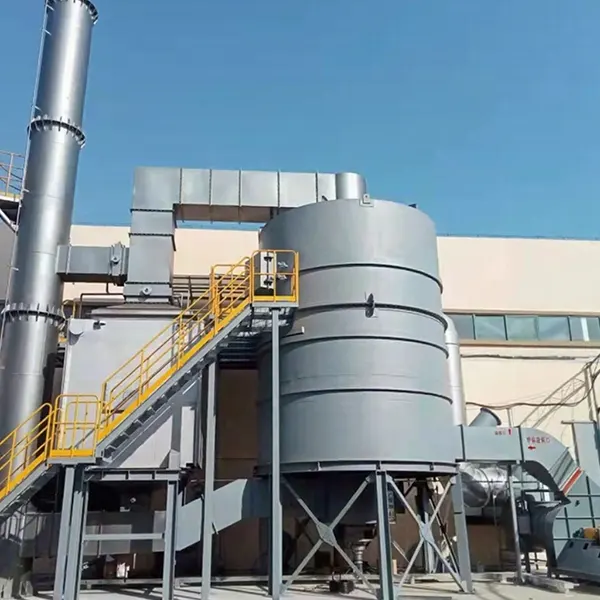
Compared with the traditional three-bed RTO, the rotary valve RTO is superior in many dimensions. The three-bed system switches modes about 200,000 times a year, resulting in heat penetration and energy loss, while the continuous rotation of the rotary valve RTO avoids this problem and has higher thermal efficiency. The amount of ceramic media is 68% less, the investment cost is low, and the footprint is half as small. The cold start time is short, 1.5 hours vs. 3 hours, and fuel consumption is reduced.
In terms of valves, traditional RTOs use multiple butterfly valves or poppet valves, which are prone to wear, while the single high-cycle valve of the rotary valve RTO simplifies the structure and has a low leakage rate of 0.1%. The pressure fluctuation is small, suitable for sensitive processes. The heat exchange cycle of the classic rotary valve RTO is 50 seconds, and the exhaust temperature is 40°C lower, which is better than the 80°C of the three-bed. Overall, high efficiency rotary valve RTO offers lower operating costs and higher reliability, suitable for modern industrial upgrades.
Maintenance and Upgrade of Rotary Valve RTO
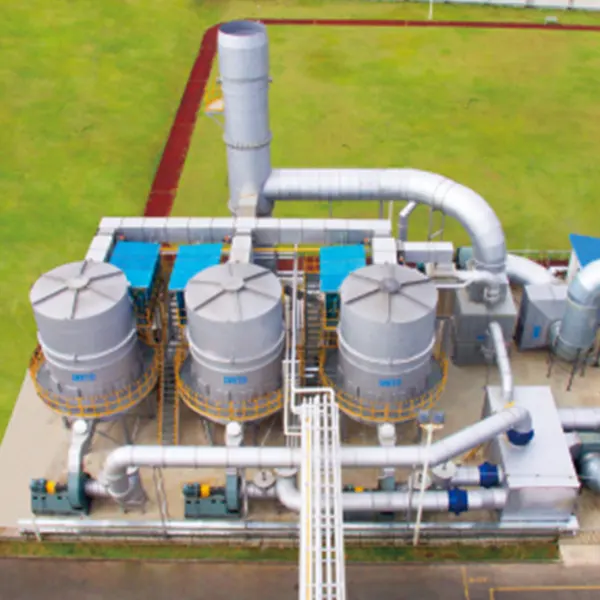
The maintenance of rotary valve RTO is relatively simple, thanks to the external rotary valve design, which is easy to inspect and replace. Regular maintenance includes checking the sealing materials (such as glass beads) and ceramic beds to ensure no clogging. High-cycle valves support electric upgrades from pneumatic to electric drive, reducing cold weather failures and wear. PLC control allows remote monitoring, and partial operation continues in the event of failure.
Upgrade cases show that installing variable speed drives and gearboxes can extend life by thousands of hours. Patented sealing mechanisms reduce maintenance costs and avoid frequent replacement. The classic rotary valve RTO has a long maintenance cycle and durable key components. For high efficiency rotary valve RTO, users can choose on-site manufacturing to shorten the installation period and ensure efficient operation of the system.
Why Choose Our Rotary Valve RTO?
The rotary valve RTO was chosen because of its excellent comprehensive performance. In today’s increasingly stringent environmental regulations, this equipment provides more than 99.5% purification efficiency and 97% heat recovery, helping enterprises achieve sustainable development. Compact design, low cost and high reliability make it stand out. Whether it is a new installation or upgrading an existing system, the rotary valve RTO can meet the needs.
As an industry-leading solution, the classic rotary valve RTO combines innovative technologies such as continuous rotation and efficient sealing to ensure long-term value. The high efficiency rotary valve RTO not only reduces energy consumption, but also improves production efficiency. For users seeking reliable exhaust gas treatment, the rotary valve RTO is an ideal choice, providing a professional and easy-to-understand operating experience.